Frankenstein Letter 2 Summary
Walton's loneliness and voyage
Robert Walton writes to his sister from Archangel about hiring a ship, his need for a like-minded friend, and his excitement for an Arctic voyage.
Summary
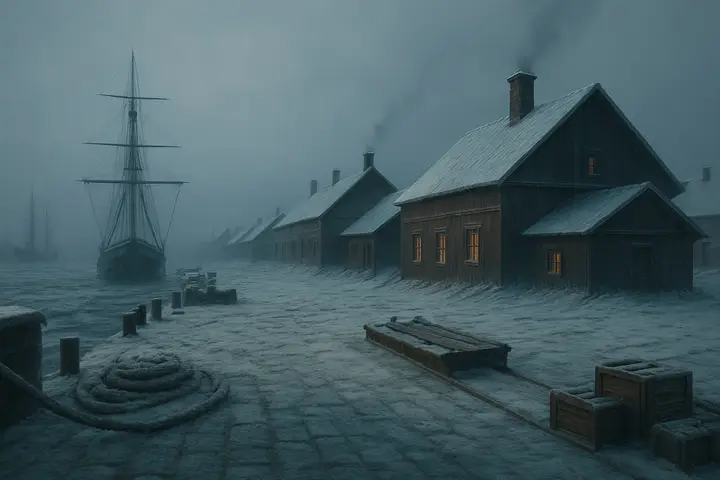
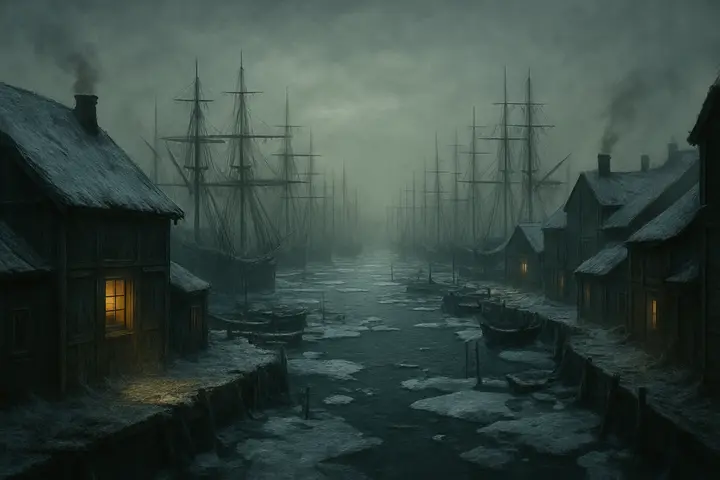
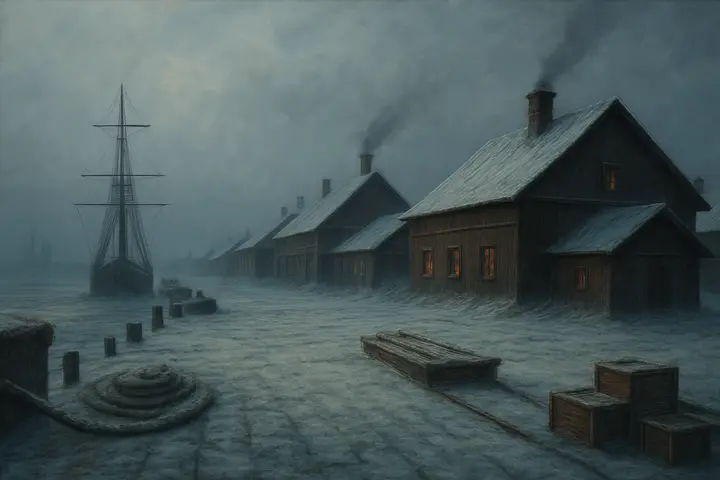
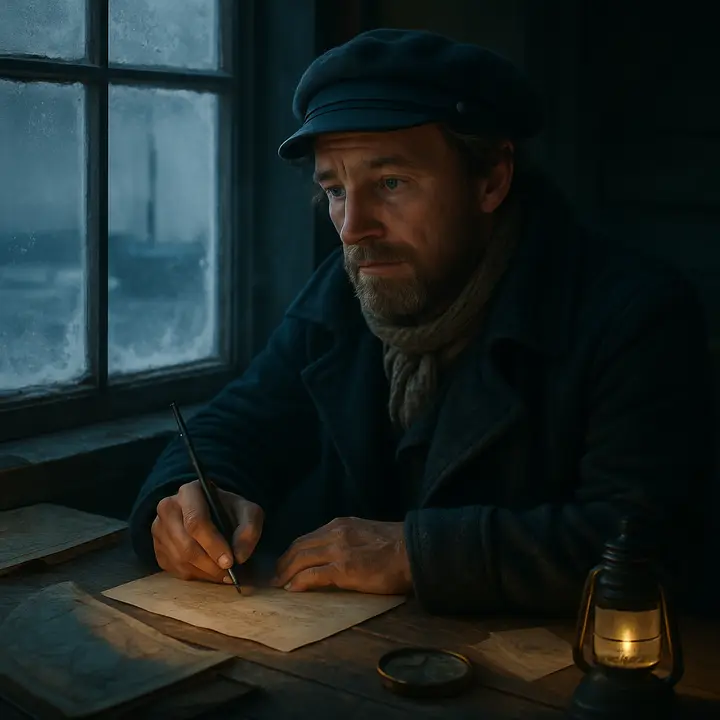
Robert Walton writes from Archangel on 28 March describing the slow passage of time amid frost and snow and his preparations for a polar expedition. He has hired a vessel and is assembling a crew, whom he judges courageous and dependable; he praises the moral qualities of his lieutenant and the ship's master while noting his distaste for common maritime brutality. Walton explains that, despite competent seamen around him, he lacks a friend to share his feelings and intellectual passions and regrets being largely self-educated. He reflects on his solitary youth, uneven education, and need for a companion who can both sympathize and correct his romantic excesses.
Walton recounts the personal story of his lieutenant—an English mariner of noble actions who sacrificed his own prospects to secure a lover's happiness for another man—and admires the man's generosity while lamenting his lack of formal education and polish. He assures his sister that his resolve to voyage to unexplored regions is fixed and that he will be prudent about others' safety. Walton confesses a mingled thrill and fear about the undertaking, linking his attraction to the sea's mysteries to Coleridge’s “Ancient Mariner” and acknowledging a secret love for the marvellous that drives him beyond commonplace pursuits. He asks Margaret to continue writing, because her letters sustain him, and signs off with affectionate concern that she remember him should he fail to return.
Key events
- Walton reports from Archangel and describes the cold, slow time.
- He has hired a vessel and begun collecting a crew for an Arctic voyage.
- He confesses his deep loneliness and need for an intellectual friend.
- He recounts the noble self-sacrifice of his lieutenant's past love story.
- He affirms his fixed resolve to sail and links his motive to poetic influence.
- He requests continued letters from his sister and signs off affectionately.
Letter 2 in pictures
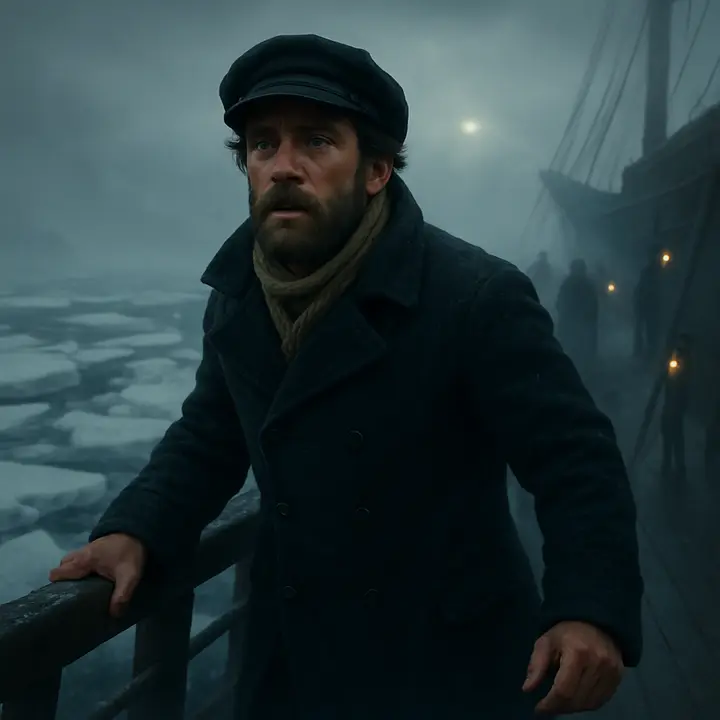
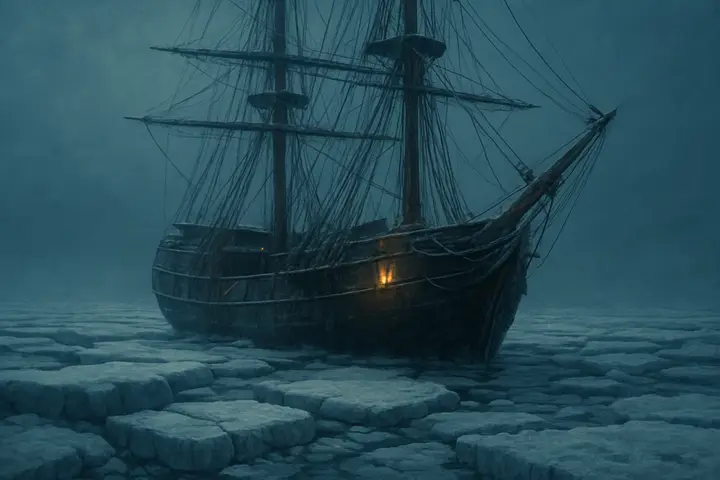
Analysis
This letter establishes Robert Walton as the novel’s first narrator and frames the story as correspondence, creating an intimate, confiding voice. Walton’s loneliness and thirst for a sympathetic, educated companion introduce the theme of companionship versus isolation that will echo through the novel. His self-aware admission of romantic tendencies and lack of formal learning positions him as both earnest and fallible, inviting readers to view his ambitions skeptically even as they are impressed by his moral sensibility. The anecdote about the lieutenant’s generosity models a standard of virtue—noble action despite lack of cultivation—that contrasts with Walton’s yearning for a cultivated friend, hinting at tensions between natural nobility and cultural refinement.
Structurally, the letter functions as exposition: it sets location, motive, and mood before the main narrative begins, while the epistolary frame promises a multi-layered perspective. Walton’s repeated metaphors of frost, voyage, and the “marvellous” foreshadow a journey into unknown, perilous realms—both geographic and intellectual. The “Ancient Mariner” allusion signals Romantic influences and prepares readers for themes of transgression, consequence, and the sublime. Walton’s vow of prudence alongside his confessions of irresistible fascination introduces dramatic irony: his self-knowledge may not prevent future excesses, and his declared needs (a friend, correspondence) set expectations for how interpersonal ties will shape the unfolding tale.
Important quotes
“How slowly the time passes here, encompassed as I am by frost and snow!”
Robert WaltonOpens the letter and establishes Walton’s remote Arctic setting and sense of confinement.
“I have no friend, Margaret: when I am glowing with the enthusiasm of success, there will be none to participate my joy;”
Robert WaltonWilfully confesses deep loneliness and the central emotional need that motivates his narrative.
“I am going to unexplored regions, to “the land of mist and snow,” but I shall kill no albatross;”
Robert WaltonExpresses his ambition and Romantic fascination with the sublime while distancing himself from the Ancient Mariner’s guilt-laden symbolism.
Characters in Letter 2
- Margaret Walton Saville
- Robert Walton
- Uncle Thomas
All chapter summaries ›Characters ›
Read Frankenstein illustrated
Every scene in these notes comes from the Book2Life reader, where the full public-domain text is illustrated as you read, with character portraits and narration. Free in your browser and on iPhone.
