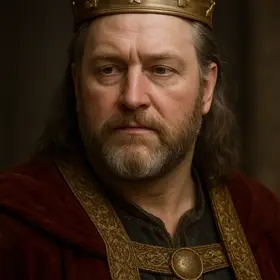
The King of Brobdingnag in Gulliver's Travels
Major character
The thoughtful monarch of Brobdingnag who receives Gulliver, questions him, and judges European manners and institutions.
Who is The King of Brobdingnag?
The King of Brobdingnag is the sober, inquisitive ruler who first receives Gulliver at the royal court and ensures his safety and comfort. He scrutinizes Gulliver with learned men to determine whether the little man is natural or artificial, then provides lodgings, patronage, and protection. The king listens carefully when Gulliver describes Europe and its institutions, repeatedly interrogating him about politics, law, military practice, and morals. His polite but piercing questioning exposes corruption and vice in European systems; he records Gulliver’s answers and offers blunt moral verdicts. He also reacts viscerally when Gulliver explains technologies of war—calling the inventor an “impotent and grovelling insect” and forbidding such knowledge—revealing a monarch guided by ethical concern rather than ambition. Throughout Gulliver’s time in Brobdingnag the king’s measured kindness, curiosity, and moral authority shape Gulliver’s experience of the court and prompt the narrative’s sustained critique of European practices.
In the book: We first meet him as the thoughtful monarch who receives Gulliver at court, studying the little stranger with curiosity rather than fear. He questions Gulliver closely about his homeland and ways, and his measured kindness sets the tone for Gulliver’s safety and conversations in Brobdingnag.
Personality
- Curious
- He privately questions Gulliver and convenes learned men to decide whether the little man is natural or a mechanical contrivance.
- Measured
- He orders comfortable lodgings, miniature furniture, and retains Glumdalclitch in royal service rather than treating Gulliver as a freak.
- Moral
- After Gulliver describes artillery and gunpowder, the king condemns such devices and calls their inventor an 'impotent and grovelling insect.'
- Judicious
- He records Gulliver’s account, rigorously questions him about English institutions, and delivers a blunt verdict on their corruption.
Character arc
From his first appearance the King of Brobdingnag functions as a stabilizing, reflective presence: he moves from curiosity and investigation to consistent moral judgement. Initially he embodies scientific and civic prudence, convening scholars to determine Gulliver’s nature and ensuring the stranger’s welfare through commands for suitable lodging and attendants. As Gulliver entertains the court with songs and small contrivances, the king becomes a patient interlocutor, using those audiences to interrogate European practices. His reaction to Gulliver’s description of warfare and explosive technology crystallizes his role as ethical arbiter—he is not swayed by novelty or power but by concern for human harm. Unlike characters who change through seduction by power or experience, the king remains steady: his conclusions grow firmer as evidence accumulates, culminating in his explicit condemnation of Gulliver’s nation as morally corrupt. Thus his arc is one of increasing moral clarity and authoritative judgment rather than personal transformation.
Relationships
- Lemuel Gulliver A curious but kindly patron who questions Gulliver closely, protects him, and passes moral judgment on his descriptions of Europe.
- Glumdalclitch Acts through the king’s household as Gulliver’s nurse and protector after the queen ensures she remains in royal service.
- The Queen of Brobdingnag A cooperative consort who requests Gulliver be presented at court and works with the king to provide for Gulliver’s comfort.
- The Farmer of Brobdingnag The seller whose transaction the king investigates to confirm the truth of Gulliver’s account before accepting him at court.
- The Brobdingnagian Dwarf A court figure whose pranks and humiliations toward Gulliver occur under the king’s broader, tolerant oversight.
Quotes by The King of Brobdingnag
“how contemptible a thing was human grandeur, which could be mimicked by such diminutive insects as I: and yet," says he, "I dare engage these creatures have their titles and distinctions of honour; they contrive little nests and burrows, that they call houses and cities; they make a figure in dress and equipage; they love, they fight, they dispute, they cheat, they betray!”
Chapter 3The king reflects—mockingly and philosophically—on human society after seeing Gulliver, highlighting Swift's satirical reversal of perspective.
“My little friend Grildrig, you have made a most admirable panegyric upon your country; you have clearly proved, that ignorance, idleness, and vice, are the proper ingredients for qualifying a legislator;”
Chapter 6After auditing Gulliver’s description of England, the king delivers a severe critique of English institutions and morals.
“He was amazed, how so impotent and grovelling an insect as I”
Chapter 7The king reacts with horror to Gulliver's description of gunpowder and artillery, calling him an "impotent and grovelling insect."
“that whoever could make two ears of corn, or two blades of grass, to grow upon a spot of ground where only one grew before, would deserve better of mankind, and do more essential service to his country, than the whole race of politicians put together.”
Chapter 7The king summarizes his political philosophy, valuing practical improvements in agriculture far above political maneuvering.
Why The King of Brobdingnag matters
The King of Brobdingnag embodies Swift’s use of scale and moral contrast: his physical largeness pairs with ethical seriousness to expose the pettiness and corruption of European institutions as described by Gulliver. By listening, questioning, and passing uncompromising moral verdicts—especially his horror at explosive military technology—the king reframes European self-regard and invites readers to view familiar practices from a dispassionate, ethical distance. He functions less as an agent of change than as a measuring standard, a mirror that magnifies vice and invites reform in the book’s sustained satire of politics, warfare, and human pride.
Chapters with The King of Brobdingnag
More Gulliver's Travels characters
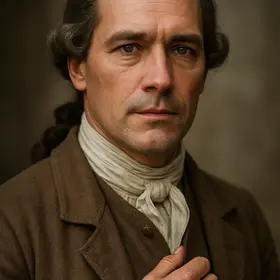 Lemuel GulliverProtagonist
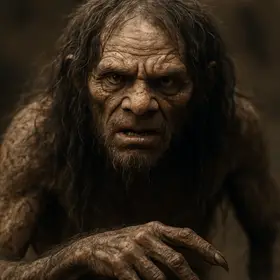 The YahoosAntagonist
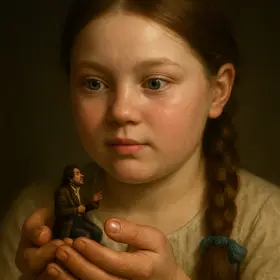 GlumdalclitchMajor character
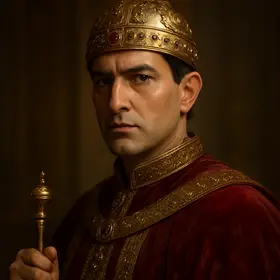 The Emperor of LilliputMajor character
- tthe kingMajor character
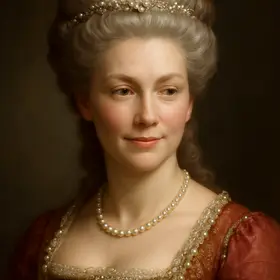 The Queen of BrobdingnagMajor character
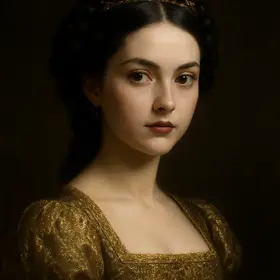 The Empress of LilliputMajor character
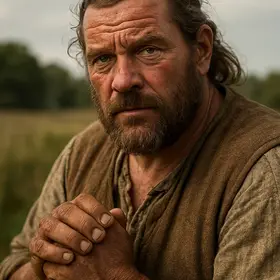 The Farmer of BrobdingnagMinor character
All chapter summaries ›Characters ›
Read Gulliver's Travels illustrated
Every scene in these notes comes from the Book2Life reader, where the full public-domain text is illustrated as you read, with character portraits and narration. Free in your browser and on iPhone.
