Lear in King Lear
Protagonist
A once-mighty king undone by familial betrayal, descending into madness and seeking reconciliation with Cordelia.
Who is Lear?
King Lear is the aging monarch whose relinquishment of authority and misjudgment of his daughters precipitate his undoing. After being betrayed and stripped of power by Goneril and Regan, he wanders into a violent storm, railing against nature and human cruelty while guarded by the Fool and Kent. Exposed to the elements and to his own unraveling, Lear alternates between rage, self-pity, and flashes of insight. He briefly recovers a fragile lucidity when reunited with Cordelia in the French camp, expressing repentance and a yearning for simple companionship. Captured later alongside Cordelia, Lear imagines an affectionate life with her even in custody; that hope collapses when Cordelia is killed and Lear dies holding her. Across these events, Lear seeks forgiveness, understanding, and a restoration of human dignity, but his path is marked by humiliation, madness, and ultimately tragic loss.
Personality
- Proud
- He rails against the heavens and treats authority as central to identity during the storm, equating natural violence with the betrayal of his daughters.
- Vulnerable
- On the heath he describes himself as an 'old, despis'd' king and a 'slave' to elements and betrayal, showing acute self-pity and exposure.
- Penitent
- When Cordelia kisses and appeals to him in the French camp, he asks for forgiveness and insists he is old and foolish.
- Mad
- He appears in fantastical dress, rants with fractured language, and performs delusions of kingship while interacting with Gloucester.
- Affectionate
- Even in captivity he speaks tenderly to Cordelia and imagines a humble shared life in prison.
Character arc
Lear begins as a dethroned but still proud former monarch, exposed by his daughters' ingratitude. In the storm on the heath he confronts external chaos and internal collapse: his language fragments between invective and self-pity, and he recognizes his physical and mental frailty while clinging to his sense of kingship. Madness overtakes him, represented by fantastical dress and theatrical displays of authority when he meets Gloucester; these scenes mix violent ranting with lucid insight, showing a mind that oscillates between breakdown and truth-telling. Cordelia's arrival in the French camp marks a brief reversal: Lear moves toward repentance and reconciliation, awakening at her touch and acknowledging his foolishness. Yet the fragile recovery cannot prevent final catastrophe. Captured with Cordelia, he nurtures tender hopes for simple domestic consolation, only to have them destroyed when Cordelia is killed; Lear dies holding her, completing a tragic descent from regal control to brokenness and death, having momentarily reclaimed compassion but too late to avert loss.
Relationships
- Cordelia His youngest daughter; she reunites with him, seeks to heal him, and becomes the object of his final tenderness before her death.
- The Fool Companion and truth-teller who stays with Lear on the heath, mixing counsel and mockery while urging him to seek shelter and reconciliation.
- Kent Loyal servant who ministers to Lear's safety and escorts him to shelter, then cares for him in the French camp.
- Goneril Elder daughter whose betrayal helps drive Lear into exile and madness; her actions contribute to his loss of power.
- Regan Elder daughter allied with Goneril in dispossessing Lear and compounding his humiliation; her choices deepen his suffering.
- Edmund Antagonistic force in the final military struggle that ends with Lear and Cordelia captured while Edmund pursues power.
Quotes by Lear
“Blow, winds, and crack your cheeks! Rage! blow! You cataracts and hurricanoes, spout Till you have drench’d our steeples, drown’d the cocks!”
Act 3, Scene 2Lear opens the scene with an explosive apostrophe to the storm, equating natural fury with his fury at human ingratitude.
“I am a man More sinn'd against than sinning.”
Act 3, Scene 2Lear claims moral victimhood, signaling his growing sense of grievance and the start of his psychological unraveling.
“I am a very foolish fond old man, Fourscore and upward, not an hour more nor less; And to deal plainly, I fear I am not in my perfect mind.”
Act 4, Scene 7Lear lucidly confesses his age and mental frailty, expressing self-awareness amid confusion.
“We two alone will sing like birds i’ the cage:”
Act 5, Scene 3Lear imagines a humble, affectionate life with Cordelia in prison, showing his final tenderness and renunciation of power.
“Howl, howl, howl, howl! O, you are men of stone.”
Act 5, Scene 3Lear, grieving over Cordelia’s death, denounces those around him as unfeeling and collapses into despair before he dies.
Why Lear matters
Lear embodies the play’s exploration of authority, identity, and human vulnerability. His fall exposes how social rank can mask moral blindness and how relinquishing power without insight invites chaos. As he descends into madness, Lear articulates harsh truths about justice, suffering, and filial ingratitude that the sane characters often overlook. His brief recognition and repentance with Cordelia highlight themes of reconciliation and the human capacity for remorse, while his ultimate inability to prevent tragedy reinforces the play’s bleak meditation on suffering, the limits of redemption, and the costs of pride and misjudgment.
Chapters with Lear
More King Lear characters
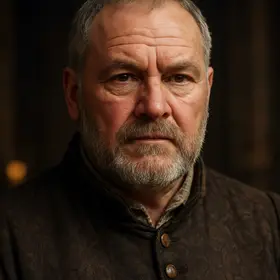 Gloucester
 Kent
Kent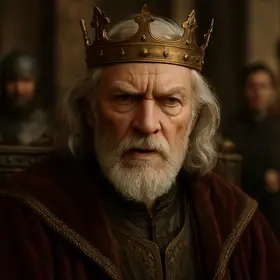 King Lear
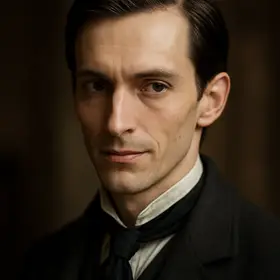 Edmund
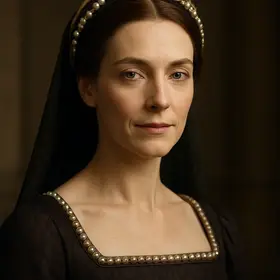 Goneril
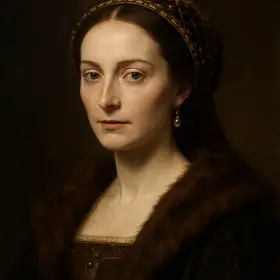 Regan
Regan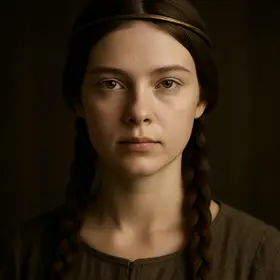 Cordelia
 Edgar
EdgarAll chapter summaries ›Characters ›
Read King Lear illustrated
Every scene in these notes comes from the Book2Life reader, where the full public-domain text is illustrated as you read, with character portraits and narration. Free in your browser and on iPhone.
