Soldiers in King Lear
Minor character
Rank-and-file military men who serve the various commanders, carry orders, and guard prisoners in the camps near Dover and the French camp.
Who is Soldiers?
The Soldiers appear as the working force of the opposing camps gathered near Dover and at the French encampment. They march and take positions under the direction of officers such as Edmund and the dukes, serve as attendants and messengers in Cordelia’s tent, and stand as guards over captured figures—most notably Lear and Cordelia when Edmund delivers them to the British camp. They participate in the councils of war by carrying reports and reconnaissance, and they execute the secret and explicit orders issued by their superiors. Though unnamed and largely without individual agency, the Soldiers perform the physical labor of the conflict: advancing at the summons of commanders, securing prisoners, and enabling the tactical and brutal choices made by leaders. Their visible presence in the camps anchors the play’s military and political stakes and makes possible the climactic moves—capture, custody, and the final procession of bodies—that bring the play to its tragic close.
Personality
- Obedient
- They carry out Edmund’s orders to guard Lear and Cordelia and to move at the commanders’ direction without question.
- Disciplined
- They form and man the British camp near Dover and stand ready as reports and trumpet-calls determine action.
- Instrumental
- They physically bring in prisoners and execute the custodial roles that enable Edmund’s secret murderous plans.
- Impersonal
- They remain unnamed and act as a collective force, appearing only to perform tasks described by officers and messengers.
Character arc
The Soldiers’ role remains consistent from their first duties to their final actions: they arrive as the armed presence in both camps, serve as messengers and attendants at Cordelia’s tent, and then concentrate at the British camp near Dover where they take orders, engage in the preparations for conflict, and finally guard prisoners. They shift from marching and reconnaissance—bringing news that the enemy is in view—to carrying out custody and enforcement when Edmund captures Lear and Cordelia. They enable the escalation from diplomatic maneuvering to physical control and the tragic resolution by following commands that include secret orders. There is no individual moral awakening or revolt among them; their arc is a movement from background military readiness to direct involvement in the play’s climactic moments, ending as the anonymous executors of the leaders’ decisions while the named characters bear the emotional and ethical consequences.
Relationships
- Edmund They take orders from Edmund and implement his tactical and custodial commands in the camp.
- Regan They serve under Regan’s presence in the camp and support the faction she helps lead.
- Goneril They are present with Goneril’s forces and carry out movements negotiated by the rival sisters and their husbands.
- Albany They operate in the camp where Albany asserts authority and where military counsel is debated.
- Lear They guard Lear when he and Cordelia are brought in as prisoners, making his captivity possible.
- Cordelia They act as her custodians once Edmund delivers her to the British camp, enabling her confinement and eventual fate.
Why Soldiers matters
Soldiers function as the pragmatic machinery of the play’s violence and politics. They embody the impersonal force that allows cunning and ambition to become effective: without them, capturing, guarding, and removing rivals would be only talk. Their obedience highlights how decisions by leaders translate into real, often tragic outcomes; they underscore themes of power, responsibility, and the human cost of factional betrayal. By remaining unnamed and collective, they also emphasize the tragedy’s scale—individual suffering is enacted through anonymous instruments of state and ambition.
Chapters with Soldiers
More King Lear characters
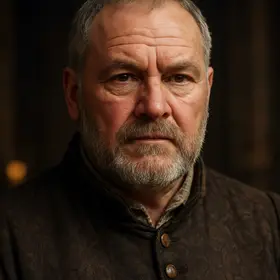 Gloucester
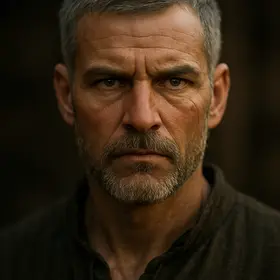 Kent
Kent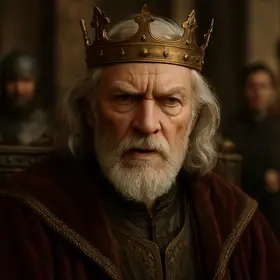 King Lear
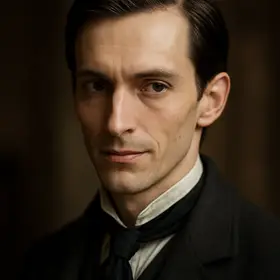 Edmund
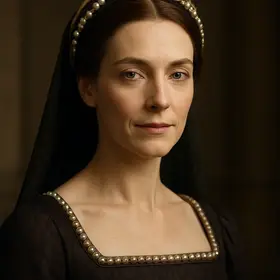 Goneril
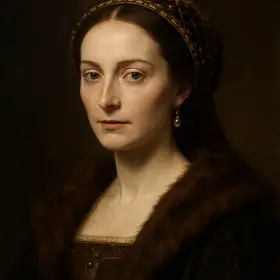 Regan
Regan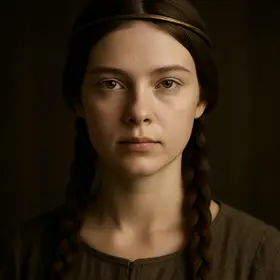 Cordelia
 Edgar
EdgarAll chapter summaries ›Characters ›
Read King Lear illustrated
Every scene in these notes comes from the Book2Life reader, where the full public-domain text is illustrated as you read, with character portraits and narration. Free in your browser and on iPhone.
