
Henry Crawford in Mansfield Park
Major character
A witty, charming gentleman who courts several women, pursues Fanny persistently, and provokes moral tests at Mansfield.
Who is Henry Crawford?
Henry Crawford arrives as an engaging, worldly visitor whose ease and repartee quickly make him the centre of local attention. He provokes flirtations and theatrical enthusiasms, becoming intimately involved in the social life at Mansfield and the Parsonage; his presence accelerates rivalries among the Bertram sisters and draws Fanny into awkward social negotiations. He courts Julia and Maria casually in the early stays, returns deliberately to pursue Fanny, and uses social favours (notably aiding William Price’s promotion) to press an offer of marriage. After Fanny refuses him, Henry refuses to accept the rebuff and persists, cultivating intimacy through readings, walks, and offers of help. He is implicated in a later public scandal with Mrs. Rushworth, which devastates hopes and exposes the limits of his charm. By the end of the episodes recorded in the chapter notes, Henry is portrayed as both attractive and culpable—capable of real feeling yet reckless in conduct—leaving the household to reckon with the moral consequences of his behaviour.
In the book: A witty, worldly gentleman of fortune and Mary Crawford’s brother, Henry arrives at Mansfield and quickly captivates the neighborhood with his charm and social ease. He becomes a catalyst for courtship entanglements and moral testing, his playful flirtations and shifting intentions highlighting the novel’s contrasts between appearance and principle without reducing him to a simple villain or hero.
Personality
- charismatic
- Arriving at Mansfield, his agreeable manners and wit immediately captivate the household and make him the centre of attention (Chapters 4–5).
- flirtatious
- He openly amuses himself with multiple attachments—encouraging hopes from Julia and Maria and later pressing intimacy with Fanny—during visits and the theatre rehearsals (Chapters 5, 14, 24).
- persistent
- After Fanny refuses his proposal, he refuses to be put off and resolves to persevere in winning her, continuing to visit and press his suit (Chapters 33–35).
- performative
- He delights in the amateur theatricals, acting with skill and enjoying the stage-life at Mansfield, which helps shape several social dynamics (Chapters 13–18).
- regretful (late)
- Following the public scandal and its fallout, observers note Henry’s vexation and regret about lost opportunities, especially regarding Fanny (Chapter 48).
Character arc
Henry first appears as a lively, urbanized gentleman whose wit and polish win immediate social favour; he fuels the household’s amusements (notably the theatricals) and stokes romantic rivalries among the young women. His behaviour is mainly light and entertaining at first—an object of flirtation rather than deep commitment—but that shifts when he purposely returns with the declared intention of making Fanny fall in love with him. He takes concrete steps (helping William’s promotion, making offers of hospitality, reading aloud, walking and conversing intimately) to convert attraction into engagement. Fanny’s clear refusal marks a turning point: Henry responds not by withdrawing but by persisting and deepening his attentions, misreading her gentleness for encouragement. The final, decisive move in his arc recorded here is his implication in the scandal with Mrs. Rushworth: that public disgrace strips his charm of its cover and reveals consequences his earlier gaiety had masked. By the end of the narrative passages provided he is left regretful and vexed—recognised as someone who might have secured lasting happiness had he acted with steadier principle—so his trajectory moves from admired wit through intrusive pursuit to chastened remorse.
Relationships
- Mary Crawford His sister and frequent companion; she teases and supports his social manoeuvres and later promotes the advantages of his proposed match with Fanny (Chapters 4, 24, 30).
- Fanny Price The object of his deliberate courtship: he flatters, aids her family, proposes, and then persists after a clear refusal, creating emotional tension (Chapters 24, 31–35).
- Edmund Bertram A friend and moral counterpoint: Edmund hopes Henry may settle acceptably but also witnesses his impertinences and is dismayed by later scandals (Chapters 23, 34–35, 47).
- Maria Bertram An early object of his attention during his first visits and the theatricals; their interactions contribute to the household’s romantic rivalries (Chapters 5, 14–18).
- Mr. Rushworth A rival and mark of social friction: Henry’s attentions and theatrical manners aggravate Mr. Rushworth and help produce scenes of impropriety around Sotherton and rehearsals (Chapters 6, 10, 14–18).
- Sir Thomas Bertram A benefactor-like presence whose opinion Henry seeks and whose return alters the household’s reception of Henry’s conduct; Sir Thomas tolerates Henry’s visits but reacts strongly to subsequent scandals (Chapters 19–21, 48).
Quotes by Henry Crawford
“An engaged woman is always more agreeable than a disengaged. She is satisfied with herself.”
Chapter 5Henry reflects flippantly on why an engaged woman is easier to please and to be pleased by, revealing his casual, calculating view of courtship.
“I consider Amelia is the most difficult character in the whole piece.”
Chapter 14Henry flatters Julia while steering Amelia’s part toward Miss Crawford, demonstrating social maneuvering under the guise of praise.
““From Bath, Norfolk, London, York, wherever I may be,” said he; "I will attend you from any place in England, at an hour’s notice."”
Chapter 20Henry's grand promise to remain available for the play, which rings hollow when he soon departs for Bath, signaling the unreliability of his commitments.
““I believe you are right. It was more pleasant than prudent. We were getting too noisy.””
Chapter 23After Fanny rebukes him about the theatricals, Crawford concedes the point, revealing a momentary self-awareness about their past excesses.
““Seven hundred a year is a fine thing for a younger brother; and as of course he will still live at home, it will be all for his menus plaisirs; and a sermon at Christmas and Easter, I suppose, will be the sum total of sacrifice.””
Chapter 23Crawford's flippant commentary on Edmund's expected income and clerical duties exposes his superficial view of vocation and privilege.
“No, my plan is to make Fanny Price in love with me.”
Chapter 24Henry states his intention to spend his idle days pursuing Fanny, revealing his view of courtship as a project.
Why Henry Crawford matters
Henry functions as a catalyst who exposes tensions between appearance and principle at Mansfield: his charm reveals how social polish can mask moral indifference, while his persistence after rejection tests characters’ integrity. Through his involvement in the theatricals, courtships, and the later scandal, the novel examines the consequences of frivolous pleasures and unchecked vanity. Henry’s trajectory—attractive, enterprising, then implicated in public disgrace—underscores themes of responsibility, the limits of charisma, and the importance of consistent moral conduct in personal and familial reputations.
Chapters with Henry Crawford
- Chapter 1
- Chapter 4
- Chapter 5
- Chapter 6
- Chapter 7
- Chapter 8
- Chapter 9
- Chapter 10
- Chapter 11
- Chapter 12
- Chapter 13
- Chapter 14
- Chapter 15
- Chapter 17
- Chapter 18
- Chapter 19
- Chapter 20
- Chapter 21
- Chapter 23
- Chapter 24
- Chapter 25
- Chapter 26
- Chapter 27
- Chapter 28
- Chapter 29
- Chapter 30
- Chapter 31
- Chapter 32
- Chapter 33
- Chapter 34
- Chapter 35
- Chapter 36
- Chapter 37
- Chapter 38
- Chapter 40
- Chapter 41
- Chapter 42
- Chapter 43
- Chapter 44
- Chapter 45
- Chapter 46
- Chapter 47
- Chapter 48
More Mansfield Park characters
 Fanny PriceProtagonist
 Edmund BertramMajor character
 Lady BertramMinor character
 Sir Thomas BertramMajor character
 Julia BertramMinor character
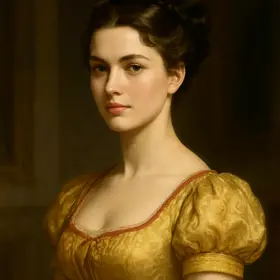 Maria BertramMajor character
 Mary CrawfordMajor character
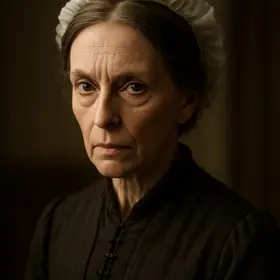 Mrs NorrisMajor character
All chapter summaries ›Characters ›
Read Mansfield Park illustrated
Every scene in these notes comes from the Book2Life reader, where the full public-domain text is illustrated as you read, with character portraits and narration. Free in your browser and on iPhone.
