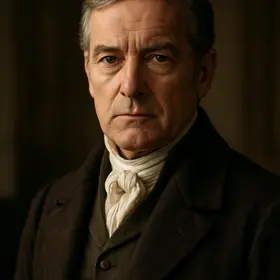
Sir Thomas Bertram in Mansfield Park
Major character
The baronet and head of Mansfield Park whose authority, decisions, and returns shape the household's moral and social order.
Who is Sir Thomas Bertram?
Sir Thomas Bertram is the landed baronet and patriarch of Mansfield Park. He accepts his sister-in-law’s penniless child (Fanny Price) into his household with conditions, sets the tone of propriety and rank, and frequently governs by measured reserve. His long absence to Antigua and delayed returns allow other characters’ libertine or sentimental tendencies to flourish; his final returns—first abrupt during the amateur theatricals and later after the London scandals—force reckonings and restorations. He wants to preserve the estate’s dignity, secure advantageous matches for his children, and rectify lapses in household discipline. He intervenes decisively when propriety is threatened (dismantling the theatre, rebuking Mrs. Norris), negotiates family matches (accepting Maria’s marriage to Rushworth), and orchestrates tests and movements of family members (sending Tom abroad, deciding Fanny’s temporary visit home). His actions catalyze plot turning points by curbing youthful follies and reasserting social order.
In the book: Sir Thomas Bertram is the authoritative head of the Mansfield Park household, a baronet whose decisions set the moral and social tone for his family. His management of his estate (including time abroad) shapes the dynamics at home, and his return tests the values and conduct of those under his roof. As uncle and guardian, he is a central figure against whom other characters’ choices and principles are measured.
Personality
- authoritative
- He inspects the theatre on his sudden return and orders its dismantling and the burning of the play (Chapter 19–20).
- prudent
- He sends Tom to Antigua to break bad company and personally travels to manage his estates (Chapter 3–4).
- stern but affectionate
- On Fanny’s first meeting him after arrival he greets her with unexpected kindness, though he later reproves her refusal of Henry (Chapters 2 and 32).
- concerned with social order
- He weighs Maria’s suitability with Mr. Rushworth and reluctantly accepts the match hoping stability will follow (Chapter 21).
- reflective
- After the London scandals he contemplates parental errors and the daughters’ education, seeking restoration (Chapter 48).
Character arc
Sir Thomas begins as a commanding, though distant, patriarch: practical, proud of Mansfield’s standing, and cautious in familial arrangements. His departure to Antigua exposes the household to laxity and social experiments he would disapprove of, and his absence allows characters like Mrs. Norris, Tom, and the young people to test boundaries. His abrupt return during the theatre rehearsals marks a decisive reclamation of authority—he punishes impropriety, reasserts estate discipline, and discourages theatrical vanities. Though initially inclined to placate or accept certain matches (Maria and Rushworth), the later revelations of London scandal force him into a more severe appraisal of his family’s upbringing. By the end he is chastened and contemplative: he actively restores order, reflects on parental mistakes, and endorses more fitting unions (approving Edmund and ultimately Fanny). Across the story he moves from intermittent enforcement of rank to a deliberate, reforming guardian who uses his power to heal the family and secure Mansfield’s moral and social future.
Sir Thomas Bertram in pictures
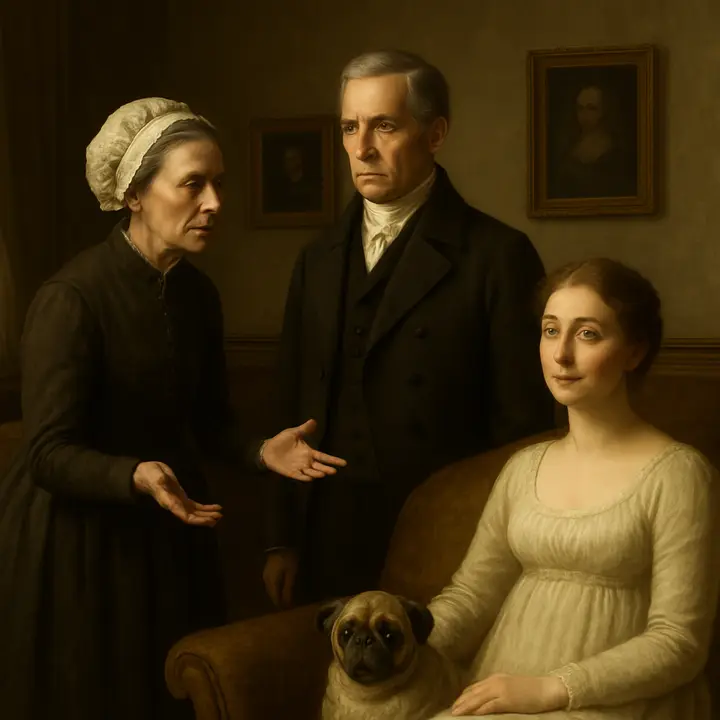
Relationships
- Fanny Price His niece and ward; he accepts her into Mansfield, oscillates between paternal sternness and tender protection, and ultimately increases his regard for her.
- Lady Bertram His wife, indulgent and indolent; he defers to her softness but ultimately acts to correct household lapses she overlooks.
- Mrs. Norris His sister-in-law and household manager; he rebukes her passive meddling and exposes her self-serving charity when propriety is at stake.
- Edmund Bertram His son whose clerical prospects and moral choices Sir Thomas monitors and whose judgment he respects while guiding family discipline.
- Tom Bertram His eldest son whose extravagance and bad company he tries to correct by sending him abroad and later confronting during illness and reform.
- Maria Bertram His daughter whose engagement and later disgrace he tolerates with hope for improvement but whose conduct becomes a source of family crisis.
Quotes by Sir Thomas Bertram
“We will endeavour to do our duty by her, and she will, at least, have the advantage of companions of her own age, and of a regular instructress.”
Chapter 1Sir Thomas sets the terms of the child’s reception, stressing duty, provision, and the assumed benefits of being raised at Mansfield.
““I blush for you, Tom,” said he, in his most dignified manner; “I blush for the expedient which I am driven on, and I trust I may pity your feelings as a brother on the occasion.””
Chapter 3Sir Thomas reproaches Tom for debts that force unfair disposals of livings and harm Edmund’s prospects; it shows moral condemnation and family tension.
“But where is Fanny? Why do not I see my little Fanny?”
Chapter 19Sir Thomas calls for Fanny as she enters the drawing-room, initiating an unexpectedly affectionate encounter that unsettles her.
“"My indulgence shall be given, sir," replied Sir Thomas gravely, "but without any other rehearsal."”
Chapter 19Sir Thomas's measured, authoritative reply to the request for tolerance toward the acting, granting leniency but drawing a firm boundary.
“I do not like, William, that you should leave Northamptonshire without this indulgence.”
Chapter 26Sir Thomas announces his decision to give a dance at Mansfield so William and Fanny may have the chance to dance before his departure.
“It must be so, my dear,”
Chapter 28Sir Thomas decisively insists that Fanny shall open the ball with Mr. Crawford, overriding her protests and placing her in an unexpected prominent role.
Why Sir Thomas Bertram matters
Sir Thomas embodies the novel’s concerns with authority, parental responsibility, and the link between social rank and moral education. His absences reveal how fragile social order can be without firm, wise oversight; his returns demonstrate the author’s claim that stable institutions and steady guidance restore propriety. Through his judgments—both prudent and sometimes miscalculated—Austen explores how power should be exercised with reflection rather than vanity, and how parental errors shape the next generation. Sir Thomas’s ultimate contrition and corrective actions underscore themes of restoration, the duties of guardianship, and the reconciliation of private failings with public responsibility.
Chapters with Sir Thomas Bertram
- Chapter 1
- Chapter 2
- Chapter 3
- Chapter 4
- Chapter 5
- Chapter 6
- Chapter 7
- Chapter 8
- Chapter 10
- Chapter 11
- Chapter 12
- Chapter 15
- Chapter 16
- Chapter 17
- Chapter 18
- Chapter 19
- Chapter 20
- Chapter 21
- Chapter 23
- Chapter 24
- Chapter 25
- Chapter 26
- Chapter 27
- Chapter 28
- Chapter 29
- Chapter 30
- Chapter 31
- Chapter 32
- Chapter 33
- Chapter 34
- Chapter 35
- Chapter 36
- Chapter 37
- Chapter 38
- Chapter 39
- Chapter 40
- Chapter 42
- Chapter 44
- Chapter 45
- Chapter 46
- Chapter 47
- Chapter 48
More Mansfield Park characters
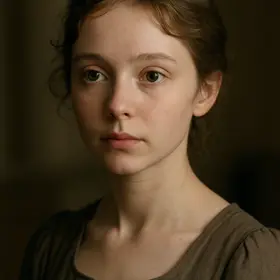 Fanny PriceProtagonist
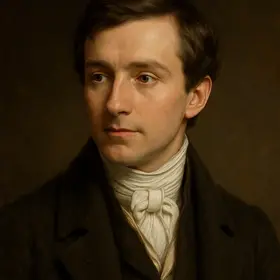 Edmund BertramMajor character
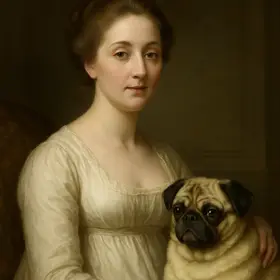 Lady BertramMinor character
 Henry CrawfordMajor character
 Julia BertramMinor character
 Maria BertramMajor character
 Mary CrawfordMajor character
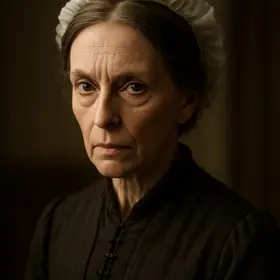 Mrs NorrisMajor character
All chapter summaries ›Characters ›
Read Mansfield Park illustrated
Every scene in these notes comes from the Book2Life reader, where the full public-domain text is illustrated as you read, with character portraits and narration. Free in your browser and on iPhone.
