
Mary Crawford in Mansfield Park
Major character
A witty, worldly newcomer whose charm, musical talent, and social savvy unsettle Mansfield’s moral order and attract Edmund’s attention.
Who is Mary Crawford?
Mary Crawford arrives as an attractive, urbane guest whose gifts—particularly her harp-playing, conversation, and quick wit—make her central to the social life around Mansfield Park and the Parsonage. She wants amusement, refined company, and the social advantages good matches and connections bring; she prizes metropolitan ease and is frank about practical comforts and ambitions. Mary cultivates intimacy with Edmund and Fanny through music, visits, and shared walks, while encouraging and smoothing social projects (the theatre, parties) that others pursue. She defends her brother Henry’s attentions, offers flattering gifts and advice (pressing a necklace on Fanny), and speaks candidly about marriage, rank, and the clergy—remarks that both charm and unsettle the more scrupulous household. As events unfold—Sir Thomas’s return, the amateur theatricals, the Wimpole Street scandal—Mary’s cool, practical responses reveal a different moral sensibility than Edmund’s, and she relocates into quieter domestic life after the household’s disgrace. Throughout she functions as a catalyst: her presence exposes tensions around conscience, taste, and desire at Mansfield.
In the book: Mary Crawford is the witty, worldly newcomer to the Mansfield neighborhood whose charm, musical talent, and sharp social insight captivate much of the circle—especially Edmund Bertram. She embodies metropolitan sophistication and ambition, often testing the values of the more principled country household. Through her sparkling presence and calculated choices, she becomes a foil to gentler characters and a catalyst for the novel’s exploration of conscience, class, and desire.
Personality
- witty
- She frequently enlivens conversation with clever remarks and anecdotes, notably when she teases about the challenges of fetching her harp (Chapter 6).
- worldly
- Her London manner and practical talk about marriage, rank, and comfort repeatedly contrast with Mansfield’s more moral tone (Chapters 11, 22).
- sociable
- She readily joins rehearsals, parlor entertainments, and drives to the Parsonage, becoming a centre of the young people’s amusements (Chapters 5, 15, 22).
- pragmatic
- After the Wimpole Street scandal she treats the consequences as matters of exposure and convenience rather than moral catastrophe (Chapter 47).
- manipulative (measured)
- She presses the necklace on Fanny and coaches social acceptability for Henry’s suit, nudging others toward her preferred outcomes (Chapters 26–27, 36).
Character arc
Mary begins as an engaging, cosmopolitan visitor whose charm and talents quickly make her a centre of attention; she entertains Mansfield with music, conversation, and practical proposals, and she tests the household’s values by siding with sociability and amusement over scrupulous restraint (early chapters through the theatre episodes). She encourages and tolerates her brother Henry’s pursuits, smoothing social paths and offering counsel—actions that partly precipitate tensions about propriety and feeling. As Sir Thomas returns and the theatricals are condemned, Mary continues to move between Mansfield and the Parsonage, pressing social explanations where others expect moral judgment. The Wimpole Street rumours and the larger family disgrace expose a moral divide: Edmund recognizes Mary’s readiness to excuse or minimize moral failings, and their relationship cools. In the aftermath she withdraws from London vanities into quieter domestic arrangements with Mrs. Grant; her earlier vivacity gives way to more subdued, practical domesticity. She ends less dramatically punished than altered: no longer the metropolitan catalyst at Mansfield, she settles into a more constrained, domesticated role while the novel closes with Edmund turning to Fanny.
Relationships
- Edmund Bertram She cultivates his admiration through music and conversation but ultimately reveals a moral difference that cools his attachment.
- Henry Crawford She is his sister and frequent confidante, encouraging and defending his social manoeuvres while sharing his worldly temperament.
- Fanny Price She befriends and flatters Fanny—pressing gifts and invitations—creating an intimacy that is more one-sided and sometimes uncomfortable for Fanny.
- Mrs Grant Mrs Grant hosts Mary and supports her presence at the Parsonage; Mary enjoys Mrs Grant’s hospitality and social facilitation.
- Sir Thomas Bertram He tolerates and judges her intermittent presence: his return and moral authority expose tensions between Mary’s worldliness and Mansfield’s expectations.
- Maria Bertram Mary’s lively conversation and sympathy make her part of the circle that surrounds Maria, and she witnesses Maria’s later disgrace with practical, unflinching commentary.
Quotes by Mary Crawford
“"He is the most horrible flirt that can be imagined."”
Chapter 4Mary characterizes her brother Henry as a flirt, foreshadowing his potentially disruptive social behaviour.
“I begin now to understand you all, except Miss Price,”
Chapter 5Mary remarks on Fanny’s puzzling reserve, prompting discussion about whether Fanny is 'out' or remains at home.
“I am come to make my own apologies for keeping you waiting; but I have nothing in the world to say for myself—I knew it was very late, and that I was behaving extremely ill; and therefore, if you please, you must forgive me.”
Chapter 7Mary apologizes to Fanny for keeping her waiting after the riding lesson, speaking with frankness that both flatters and discomfits Fanny.
“"Sir Thomas is to achieve many mighty things when he comes home," said Mary, after a pause.”
Chapter 17Mary remarks on expectations tied to Sir Thomas's return, signaling reliance on external authority to restore order.
“Allow me to stay here a little while, and do have the goodness to hear me my third act.”
Chapter 18Mary asks Fanny to rehearse a delicate third-act scene with her, putting Fanny in the uncomfortable role of imagining Edmund.
“I do not mean to be poor. Poverty is exactly what I have determined against.”
Chapter 22Mary bluntly states her attitude toward wealth and status in conversation with Edmund and Fanny, exposing her practical ambitions.
Why Mary Crawford matters
Mary embodies the novel’s tension between metropolitan sophistication and country moral seriousness. Through her charm and candid talk about comfort, rank, and pleasure, she challenges Mansfield’s ideals of duty and clerical vocation, forcing characters—especially Edmund—to define conscience versus social ease. As a foil to Fanny’s modest principle, Mary makes visible how attraction and wit can disguise differing moral priorities. Her responses to scandal and her eventual domestic retreat underline Austen’s interest in the limits of sympathy, the costs of compromise, and the novel’s larger argument that true worth rests in consistent moral feeling rather than mere social polish.
Chapters with Mary Crawford
- Chapter 1
- Chapter 4
- Chapter 5
- Chapter 6
- Chapter 7
- Chapter 8
- Chapter 10
- Chapter 11
- Chapter 12
- Chapter 14
- Chapter 15
- Chapter 17
- Chapter 18
- Chapter 20
- Chapter 21
- Chapter 22
- Chapter 23
- Chapter 24
- Chapter 25
- Chapter 26
- Chapter 27
- Chapter 28
- Chapter 29
- Chapter 30
- Chapter 31
- Chapter 32
- Chapter 34
- Chapter 35
- Chapter 36
- Chapter 37
- Chapter 38
- Chapter 40
- Chapter 42
- Chapter 43
- Chapter 44
- Chapter 45
- Chapter 46
- Chapter 47
- Chapter 48
More Mansfield Park characters
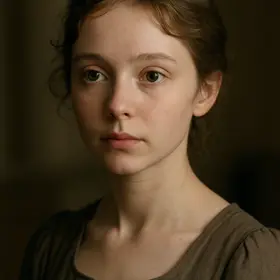 Fanny PriceProtagonist
 Edmund BertramMajor character
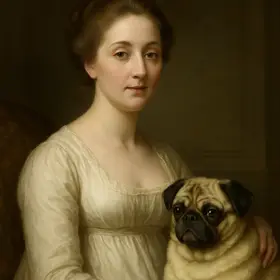 Lady BertramMinor character
 Henry CrawfordMajor character
 Sir Thomas BertramMajor character
 Julia BertramMinor character
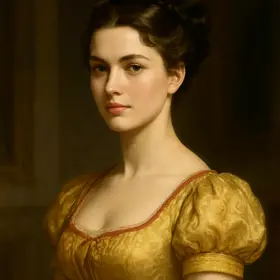 Maria BertramMajor character
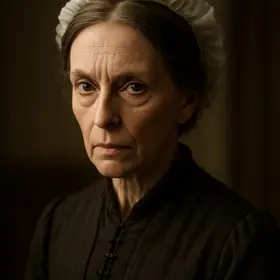 Mrs NorrisMajor character
All chapter summaries ›Characters ›
Read Mansfield Park illustrated
Every scene in these notes comes from the Book2Life reader, where the full public-domain text is illustrated as you read, with character portraits and narration. Free in your browser and on iPhone.
