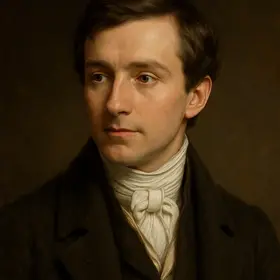
Edmund Bertram in Mansfield Park
Major character
Second son of Sir Thomas Bertram, a clergyman-in-training and the novel’s steady moral center and protector of Fanny Price.
Who is Edmund Bertram?
Edmund Bertram is the second son of Sir Thomas, destined for the clergy and largely responsible for managing household duties in his father’s absence. He befriends and mentors his timid cousin Fanny Price, supplying books, kindness, and practical help that make her feel secure at Mansfield. Edmund admires genuine principle and is uneasy with the fashionable, worldly attitudes represented by the Crawfords, yet he is repeatedly tested by Mary Crawford’s charm and by the social pleasures of his family. He objects to risky entertainments like the amateur theatricals but ultimately concedes in an effort to temper excess; his vacillation causes Fanny private pain. As Henry Crawford courts Fanny, Edmund alternates between urging her to accept advice and defending her moral firmness. The crises of Maria’s disgrace and Julia’s elopement reveal moral differences between Edmund and Mary, prompting his disillusionment with Mary’s casual compromises. By the end he recognizes Fanny’s constancy, recovers from his disappointment, and seeks to secure a stable, principled future aligned with her virtues.
In the book: The second son of Sir Thomas Bertram, Edmund is destined for the clergy and serves as the novel’s moral center—steady, conscientious, and quietly principled. He mentors and protects his timid cousin Fanny Price, and his choices amid the allure of fashionable new friends test the tension between conviction and charm, helping drive the story’s central questions about integrity, affection, and social performance.
Personality
- Conscientious
- He takes on household responsibilities in Sir Thomas’s absence and runs many family duties, sparing his mother effort (Ch.4).
- Principled
- He objects strongly to the private performance of Lovers’ Vows and argues it is improper, urging Maria to reconsider (Ch.15).
- Compassionate
- He discovers Fanny crying on the attic stairs and helps her write to William, even slipping in a half-guinea (Ch.2).
- Impressionable
- Although uneasy with Mary Crawford’s manners, he yields to her charm and to family pressure—agreeing to act in the theatricals to restrain worse excesses (Ch.16).
- Reflective
- After the London scandals he examines Mary Crawford’s conduct and confesses his disillusionment to Fanny, acknowledging a moral breach between them (Ch.47).
Character arc
Edmund enters the story as steady, well-intentioned, and quietly authoritative: a young man committed to the clerical profession who comforts and cultivates Fanny’s mind. Early on he is a protective friend—providing books, riding, and moral guidance—and he consistently defends modest, conscientious behaviour in household debates. His faith in principle is tested by the arrival of the Crawfords: Mary’s wit and society polish attract him even as her skepticism about clerical life unsettles his convictions. He hopes to moderate folly by participation rather than strict opposition, conceding to join the amateur theatricals to limit impropriety, a choice that wounds Fanny and reveals his capacity to be swayed by social charm. During the Crawford courtship episodes he tries to support both Fanny and the family’s wishes, urging Fanny to consider Henry while also advocating for her when needed. The London scandals—Mrs. Rushworth’s impropriety and Julia’s elopement—force Edmund into painful clarity: Mary’s practical compromises betray a moral incompatibility. He moves from hopeful attraction to disappointed disillusionment, and in that disappointment he comes to see Fanny’s steadfast virtues. By the close he has renounced Mary, acknowledged Fanny’s worth, and prepares for a life aligned with her constancy and the responsibilities of his profession.
Relationships
- Fanny Price Cousin and moral confidant who he mentors, protects, loves emotionally, and eventually comes to see as his proper match.
- Sir Thomas Bertram Fatherly figure and patron whose return and judgments shape Edmund’s duties and confirm household order.
- Mary Crawford Attractive, worldly acquaintance whose charm and opinions tempt Edmund and ultimately reveal a moral divergence between them.
- Henry Crawford A charismatic suitor whose pursuit of Fanny Edmund tries to mediate—sometimes urging Fanny to accept, later witnessing the consequences of Crawford’s conduct.
- Tom Bertram Elder brother whose recklessness and theatrical enthusiasms provoke Edmund’s disapproval and demand his intervention.
- Mrs. Norris Overbearing aunt whose scheming and social direction Edmund often resists while managing family tensions.
Quotes by Edmund Bertram
““My dear little cousin,” said he, with all the gentleness of an excellent nature, “what can be the matter?””
Chapter 2Edmund’s gentle address when he finds Fanny crying; it marks the start of his protective, sympathetic relationship with her.
“It is her countenance that is so attractive. She has a wonderful play of feature! But was there nothing in her conversation that struck you, Fanny, as not quite right?”
Chapter 7Edmund questions Fanny about Mary Crawford, praising her looks while probing for faults in her conversation.
“There is no hardship, I suppose, nothing unpleasant," said Edmund, "in going on the barouche box.”
Chapter 8Edmund argues that Fanny can ride in the barouche-box, challenging the family's reluctance to include her.
““I cannot agree with you; I am convinced that my father would totally disapprove it.””
Chapter 13Edmund gives the clearest moral and prudential objection, framing the central tension of the chapter.
“I cannot, before Mr. Yates, speak what I feel as to this play, without reflecting on his friends at Ecclesford; but I must now, my dear Maria, tell you, that I think it exceedingly unfit for private representation, and that I hope you will give it up.”
Chapter 15Edmund makes a principled, private appeal to Maria against staging Lovers’ Vows, asserting decorum and his role as moral adviser.
“Can I speak with you, Fanny, for a few minutes?”
Chapter 16Edmund opens the conversation in the East room, signaling he seeks Fanny’s counsel about the acting scheme.
Why Edmund Bertram matters
Edmund functions as the novel’s moral thermometer: his judgments, errors, and recoveries dramatize the tension between principle and social charm. His vacillation—advocating restraint yet sometimes conceding to ease or popularity—shows how good intentions can be compromised by attraction and social pressure. His final recognition of Fanny’s steadfastness and his disillusionment with Mary crystallize Austen’s themes about the value of moral consistency, the dangers of fashionable cynicism, and the quiet strength of domestic virtue. Through Edmund’s journey the novel examines how character, not rank or polish, determines true fitness for responsibility and affection.
Chapters with Edmund Bertram
- Chapter 1
- Chapter 2
- Chapter 3
- Chapter 4
- Chapter 5
- Chapter 6
- Chapter 7
- Chapter 8
- Chapter 9
- Chapter 10
- Chapter 11
- Chapter 12
- Chapter 13
- Chapter 14
- Chapter 15
- Chapter 16
- Chapter 17
- Chapter 18
- Chapter 19
- Chapter 20
- Chapter 21
- Chapter 22
- Chapter 23
- Chapter 24
- Chapter 25
- Chapter 26
- Chapter 27
- Chapter 28
- Chapter 29
- Chapter 30
- Chapter 32
- Chapter 34
- Chapter 35
- Chapter 36
- Chapter 37
- Chapter 38
- Chapter 39
- Chapter 40
- Chapter 41
- Chapter 42
- Chapter 43
- Chapter 44
- Chapter 45
- Chapter 46
- Chapter 47
- Chapter 48
More Mansfield Park characters
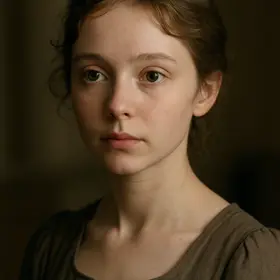 Fanny PriceProtagonist
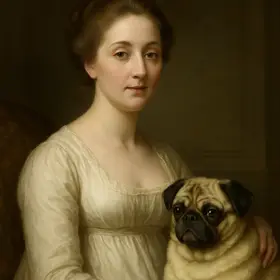 Lady BertramMinor character
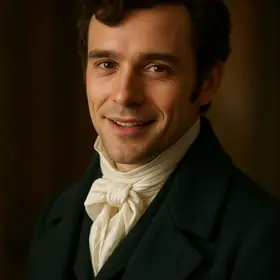 Henry CrawfordMajor character
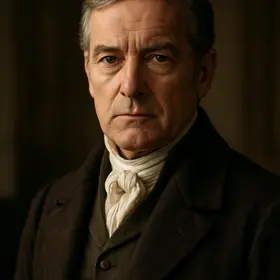 Sir Thomas BertramMajor character
 Julia BertramMinor character
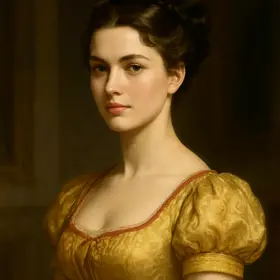 Maria BertramMajor character
 Mary CrawfordMajor character
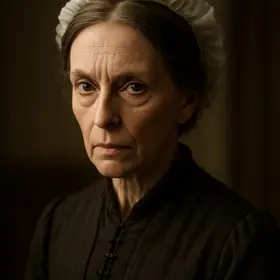 Mrs NorrisMajor character
All chapter summaries ›Characters ›
Read Mansfield Park illustrated
Every scene in these notes comes from the Book2Life reader, where the full public-domain text is illustrated as you read, with character portraits and narration. Free in your browser and on iPhone.
