Moby-Dick EXTRACTS Summary
Collected Whale Quotations
A long series of quotations and historical notes about whales from scripture, classical writers, naturalists, poets, and sailors.
Summary
This section assembles dozens of short quotations, literary allusions, and factual snippets about whales drawn from the Bible, classical and modern authors, naturalists, sailors, and legal and historical sources. The excerpts range from scriptural lines—“And God created great whales.”—to scientific observations (Cuvier, Darwin), to seafaring memoirs and newspaper oratory describing whale size, behavior, and the dangers and commerce of whaling. Interspersed are poetic images, legal notes about royal fish, and eyewitness accounts of whale attacks and strandings.
The material moves quickly through authorities and eras, juxtaposing religious awe, mythic Leviathan imagery, practical whaling details, and cultural comment. Some passages emphasize the monstrous or sublime scale of whales, others the commercial importance of oil and baleen, and still others the peril whalemen face at sea. The varied voices—scripture, natural history, travel, poetry, and nautical narrative—create a multifaceted portrait of the whale as theological symbol, natural wonder, industrial resource, and maritime hazard.
Key events
- Opening with biblical lines invoking God, Job, Jonah, Psalms, and Isaiah about whales and Leviathan.
- Rapid succession of classical and Renaissance citations picturing the whale as monstrous and vast.
- Naturalists and voyage accounts supply observational and technical notes about species, oil, and behavior.
- Eyewitness and newspaper narratives recount whale attacks, strandings, and whaling practices.
- Poets and essayists contribute metaphors and cultural comment on whales’ symbolic and economic roles.
- Section closes with mixed quotations from modern whaling narrators and scientific authorities.
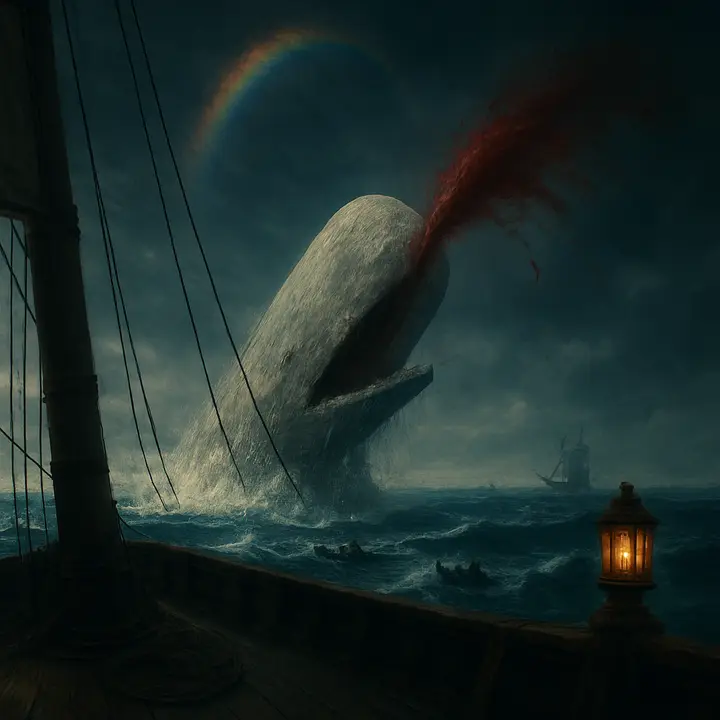
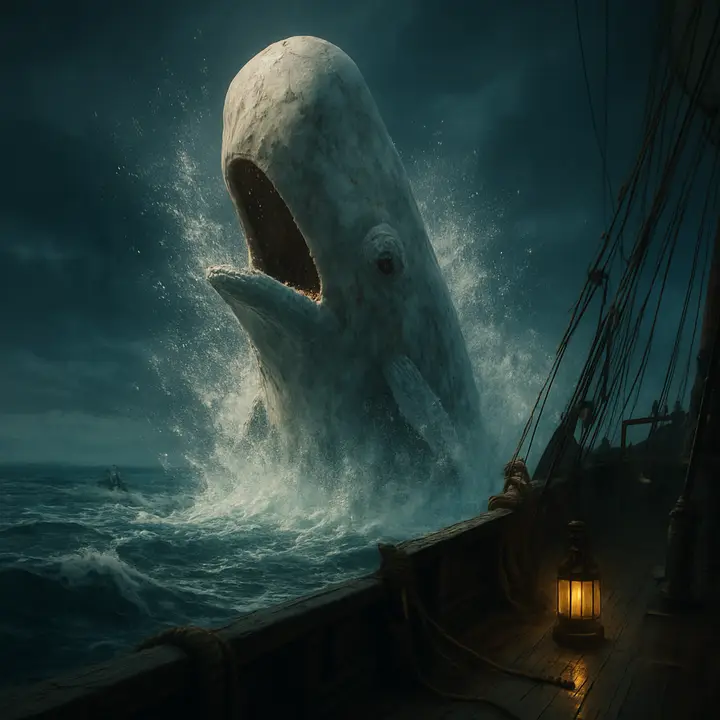
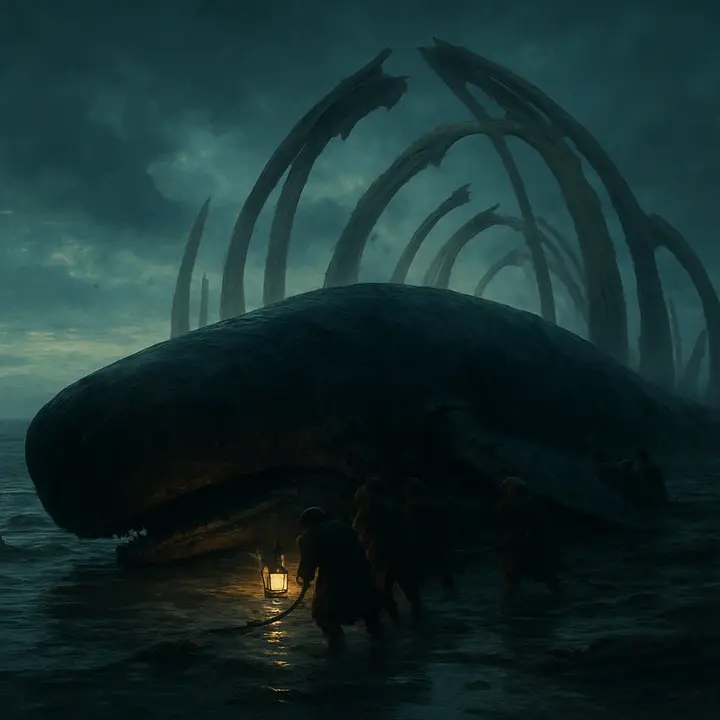
EXTRACTS in pictures
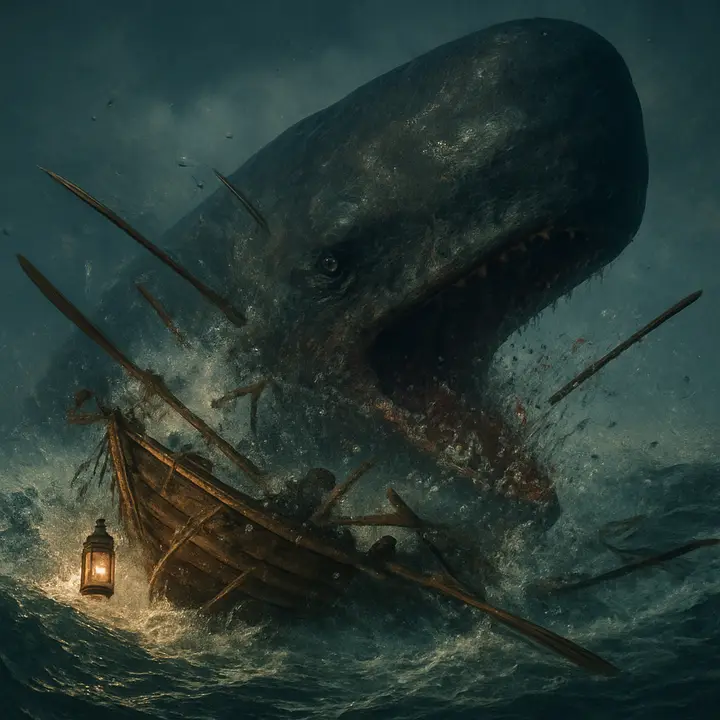
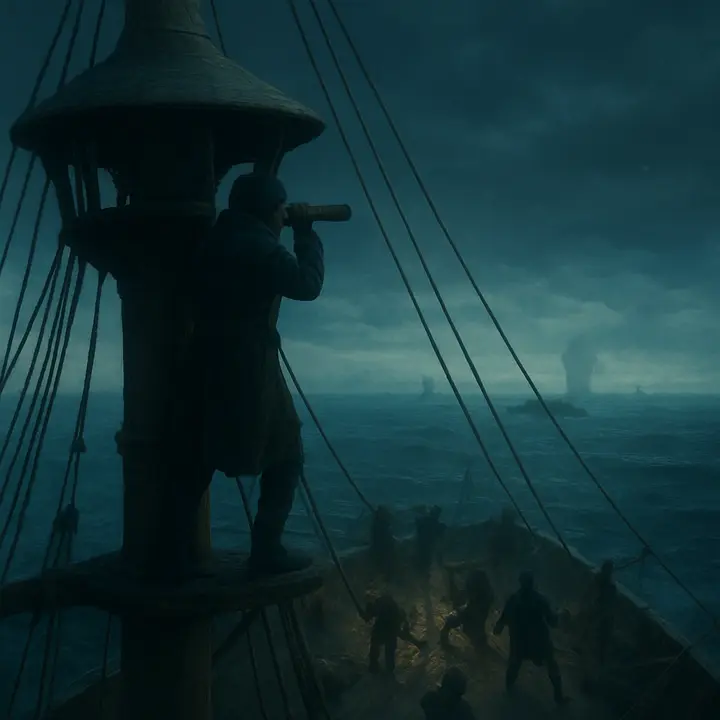
Analysis
Functionally, this chapter serves as a compendium of authorities that frames the whale as simultaneously scriptural symbol, mythic Leviathan, scientific object, and commercial commodity. By assembling voices across centuries and genres, the extract builds a chorus that legitimizes and magnifies the whale’s cultural significance before any personal narrative begins. The technique of rapid juxtaposition lets Melville stage the whale as an idea occupying many registers—divine, monstrous, commodified, and mysterious—preparing readers to see later encounters with whales under multiple interpretive lenses.
Symbolically, recurring references to Leviathan, Jonah, and scripture foreshadow the novel’s moral and metaphysical concerns; legal and commercial notes (royal fish, baleen yields, spermaceti) ground the wonder in economic reality, highlighting the industry that motivates crews and voyages. The inclusion of naturalists and eyewitness testimony disrupts purely poetic or theological readings, insisting on physical fact and danger. Structurally, the extracts act as a preface or cultural map: they do not advance plot or character but cultivate atmosphere, authority, and thematic multiplicity—power, size, violence, utility, and the human attempt to classify and control the monstrous sea creature.
Important quotes
“And God created great whales.”
GenesisOpening biblical assertion that immediately establishes whales within scriptural creation and awe.
“The whale is doubtless the largest animal in creation.”
Goldsmith, Nat. Hist.Natural-history claim reinforcing the whale’s immense physical scale and prompting scientific curiosity.
““There she blows,” was sung out from the mast-head.”
J. Ross BrowneA brief nautical cry reproduced among the extracts to evoke the lived experience and language of whalemen.
Characters in EXTRACTS
All chapter summaries ›Characters ›
Read Moby-Dick illustrated
Every scene in these notes comes from the Book2Life reader, where the full public-domain text is illustrated as you read, with character portraits and narration. Free in your browser and on iPhone.
