Moby-Dick
1851 · Adventure novel
Free to read in your browser. Public-domain edition from Project Gutenberg, illustrated as you read.
About This Book
Moby-Dick is Herman Melville’s sprawling nineteenth‑century novel about life at sea, whaling lore, and the collision between human ambition and the natural world. Part narrative, part encyclopedia, the book blends sea‑tales, technical essays on whales, pulpit oratory, and philosophical digressions into a singular voyage narrative. The story follows Ishmael, a reflective young seaman who signs aboard the whaler Pequod to escape melancholy and seek the sea’s cures. He bonds with Queequeg, a tattooed harpooneer from the Pacific, and together they join a diverse, international crew. The Pequod’s captain, Ahab, is a grim, scarred figure who reveals a single, driving purpose: to hunt an enormous white sperm whale that maimed him. As the ship sails through strange ports, near‑mythic waters, and a series of hunts and on‑board dramas, tensions rise between Ahab’s monomania and the practical, moral voices among his officers and crew. Moby-Dick endures because it refuses simple categorization: rich character study, adventure yarn, natural history, and philosophical treatise interweave to probe obsession, religion, and mankind’s relation to an indifferent cosmos. Melville’s language, episodic structure, and detailed depiction of whaling create a textured, uncertain world that rewards rereading and sustained reflection.
Characters in Moby-Dick
 BildadBildad is one of the Pequod’s Quaker part-owners and a former whaling captain; he negotiates with Ishmael, quotes Scripture, and embodies the novel’s tension between stern piety and hard-nosed commerce, shaping the terms under which the voyage begins.
 QueequegQueequeg is Ishmael’s bunkmate-turned-best friend and the most formidable harpooneer aboard the Pequod, whose skill, courage, and calm self-possession earn universal respect. As a South Sea Islander with his own customs and beliefs, he broadens Ishmael’s view of humanity and becomes a touchstone of loyalty, practicality, and moral generosity throughout the voyage. His presence anchors the novel’s exploration of kinship across cultures and the dignity found in lives lived far from conventional society.
 TashtegoTashtego is one of the Pequod’s three harpooneers and serves with Stubb, distinguished for his speed, balance, and unfailing aim from the bows of the whaleboat. A proud Wampanoag from a seafaring community, he brings Indigenous skill and stoic resolve to the crew, embodying the novel’s tapestry of cultures. Though not a central viewpoint character, his actions in the hunts and his camaraderie with the mates make him an essential presence in the ship’s working life and the story’s broader portrait of whaling.
 GabrielGabriel is a Shaker “prophet” aboard the Jeroboam whose apocalyptic warnings about the White Whale inflame fear and superstition. His influence over the crew and his zealotry make him a chilling counterpoint to rational seamanship, illustrating how fanaticism can steer men and ships as surely as wind and current.
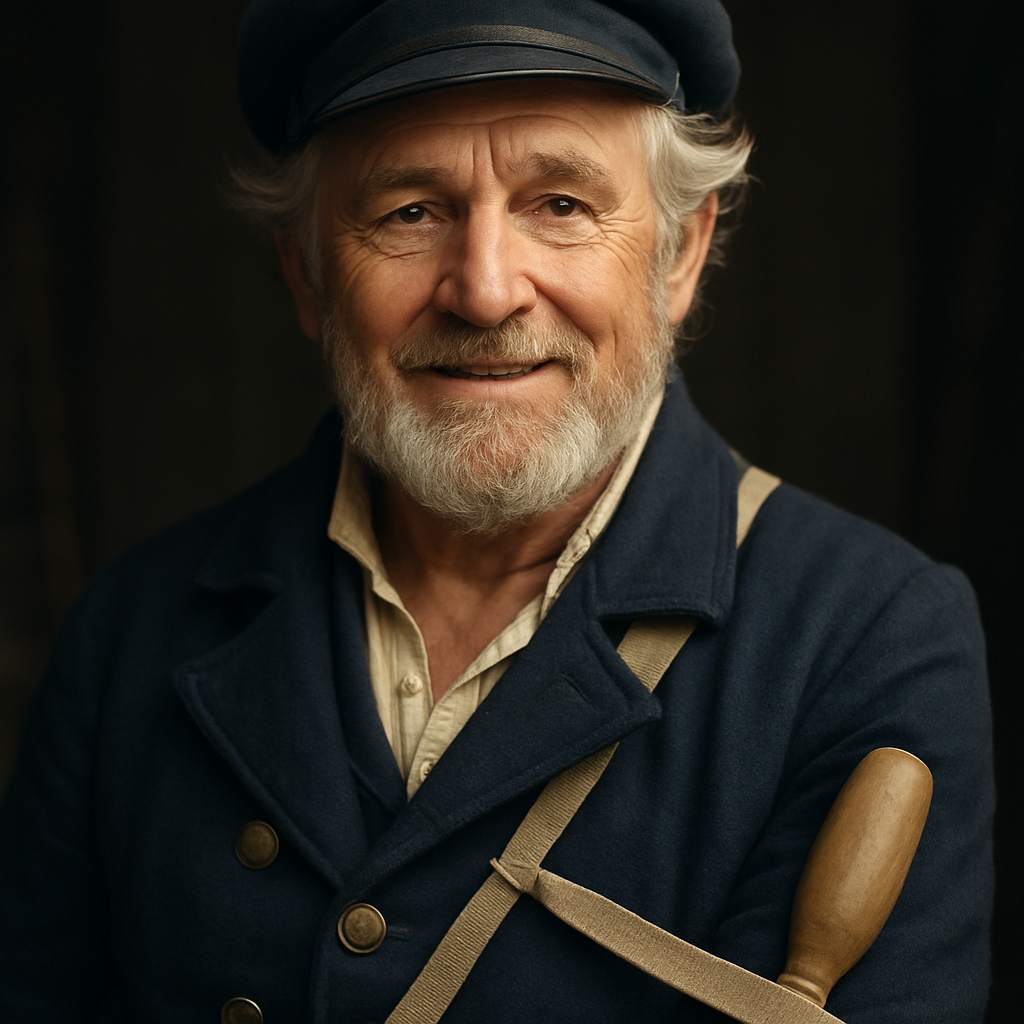 Captain BoomerCaptain of the English whaler Samuel Enderby, Captain Boomer encounters Ahab at sea and recounts his own maiming by Moby Dick. Good-natured and pragmatic, he accepts his loss and cautions against reckless vengeance, serving as a foil to Ahab’s obsessive pursuit and highlighting alternative responses to fate and injury.
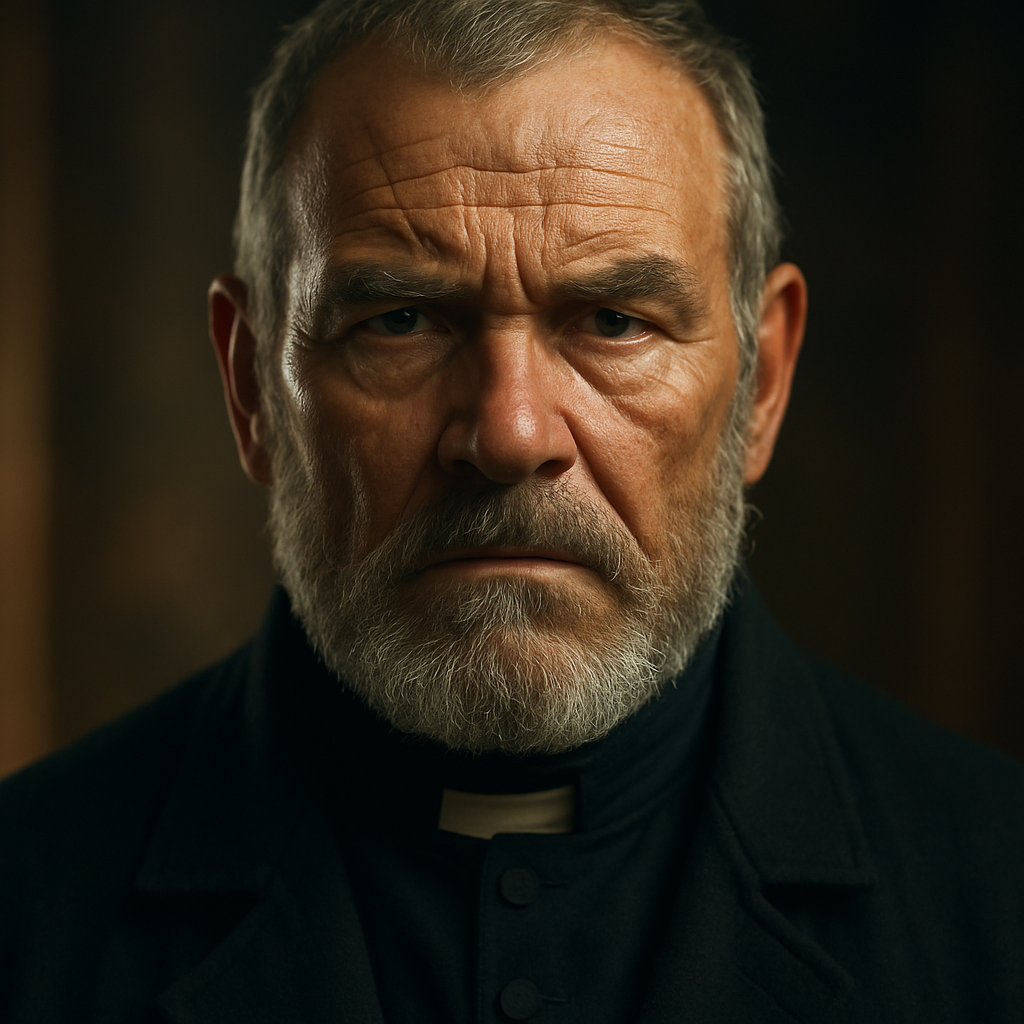 Father MappleFather Mapple is the revered preacher of the Whalemen’s Chapel in New Bedford, a former sailor whose pulpit and sermon fuse maritime life with biblical parable. His thunderous homily on Jonah exhorts humility, conscience, and obedience, setting the novel’s moral and spiritual compass. Through him, the narrative establishes the seafaring community’s rituals and foreshadows the epic struggles between human will, faith, and the vast, inscrutable sea.
 Captain GardinerCaptain of the Rachel, Gardiner encounters the Pequod and implores Ahab to help search for a missing whaleboat carrying his own child. His plea becomes a poignant moral test that contrasts humane duty with Ahab’s consuming pursuit, sharpening the novel’s central themes of obsession and compassion without occupying extensive page time.
 ElijahElijah is a mysterious, ragged stranger who corners Ishmael and Queequeg before they sail on the Pequod, speaking in ominous hints about Captain Ahab and the voyage to come. More warning than guide, he serves as a prophetic voice that unsettles the heroes, plants foreboding in the reader’s mind, and helps set the novel’s atmosphere of doom and destiny without directly altering the course of events.
 FlaskFlask is the Pequod’s third mate, a tough, no‑nonsense officer who leads his whaleboat with practical courage and little patience for metaphysics. Paired with the towering harpooneer Daggoo, he provides a grounded counterpoint to the more contemplative Starbuck and jovial Stubb. His role underscores the novel’s spectrum of temperaments at sea—valuing duty, efficiency, and the simple calculus of the hunt—while helping drive several key chases and the daily discipline aboard ship.
 StubbStubb is the Pequod’s second mate, a seasoned Cape Cod whaleman whose humor, sangfroid, and fatalistic cheer steady the crew amid danger. He serves as a tonal counterweight to the ship’s grimmer forces, leading men with competence and good nature, providing comic relief, and revealing how levity and skill can coexist with brutality at sea—thereby deepening the novel’s portrait of life aboard a whaling ship without driving its central conflict.
 AhabAhab is the formidable captain of the whaling ship Pequod, whose commanding presence and single-minded will set the voyage’s course. Charismatic yet fearsome, he forges the crew into instruments of his personal mission, turning a routine whaling expedition into an audacious quest. His character embodies obsession, leadership, and defiance, shaping the novel’s tension between human will and the vast, indifferent powers of the ocean.
 BulkingtonBulkington is a briefly seen but striking sailor whose quiet independence and sudden reappearance at sea mark him as a figure of steadfast courage. Though he has little direct action or dialogue, the narrator’s meditation on him elevates Bulkington into a symbolic presence—an embodiment of the perilous allure of the open ocean and the solitary resolve it demands.
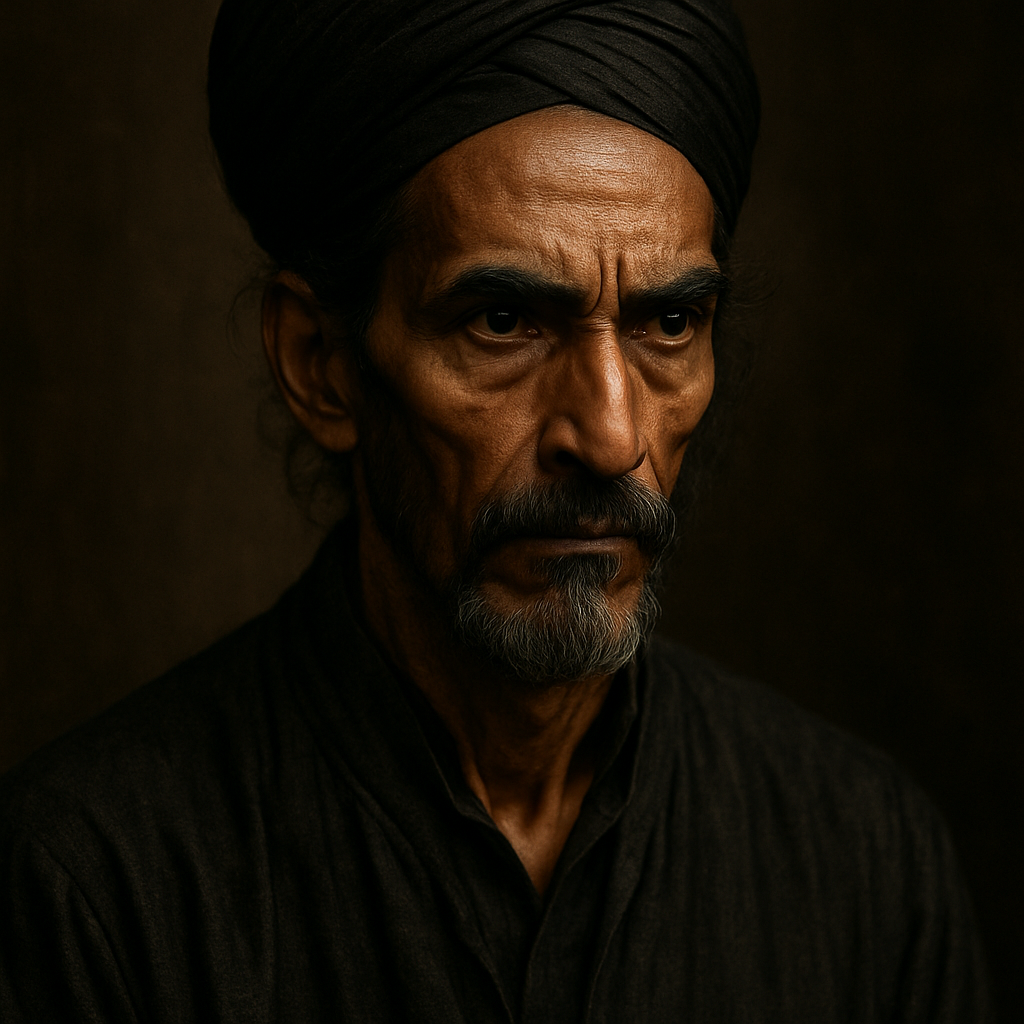 FedallahFedallah is Captain Ahab’s secretive Parsee harpooneer and closest attendant, a silent, watchful figure who commands a hidden whaleboat crew and serves as Ahab’s confidant. His foreign faith and calm intensity lend him an oracular air, and his cryptic sayings and vigilance deepen the voyage’s atmosphere of fate and foreboding. Through his influence and mysterious counsel, he amplifies Ahab’s monomaniacal pursuit and becomes a symbolic embodiment of destiny’s pull within the narrative.
 PerthPerth is the Pequod’s blacksmith, a once-prosperous artisan broken by personal misfortune who seeks quiet anonymity at sea. He forges the crew’s tools and, crucially, shapes Captain Ahab’s special weapon, becoming a somber emblem of endurance and the consuming costs of obsession. Through his craft and tragic backstory, he adds moral weight and human pathos to the voyage without standing at the plot’s center.
 StarbuckStarbuck is the Pequod’s first mate—competent, conscientious, and deeply principled—who serves as the ship’s moral ballast. A seasoned whaleman and cautious leader, he values duty, faith, and the crew’s safety, providing a sober counterpoint to more reckless impulses aboard and shaping the novel’s central tensions through his quiet resolve.
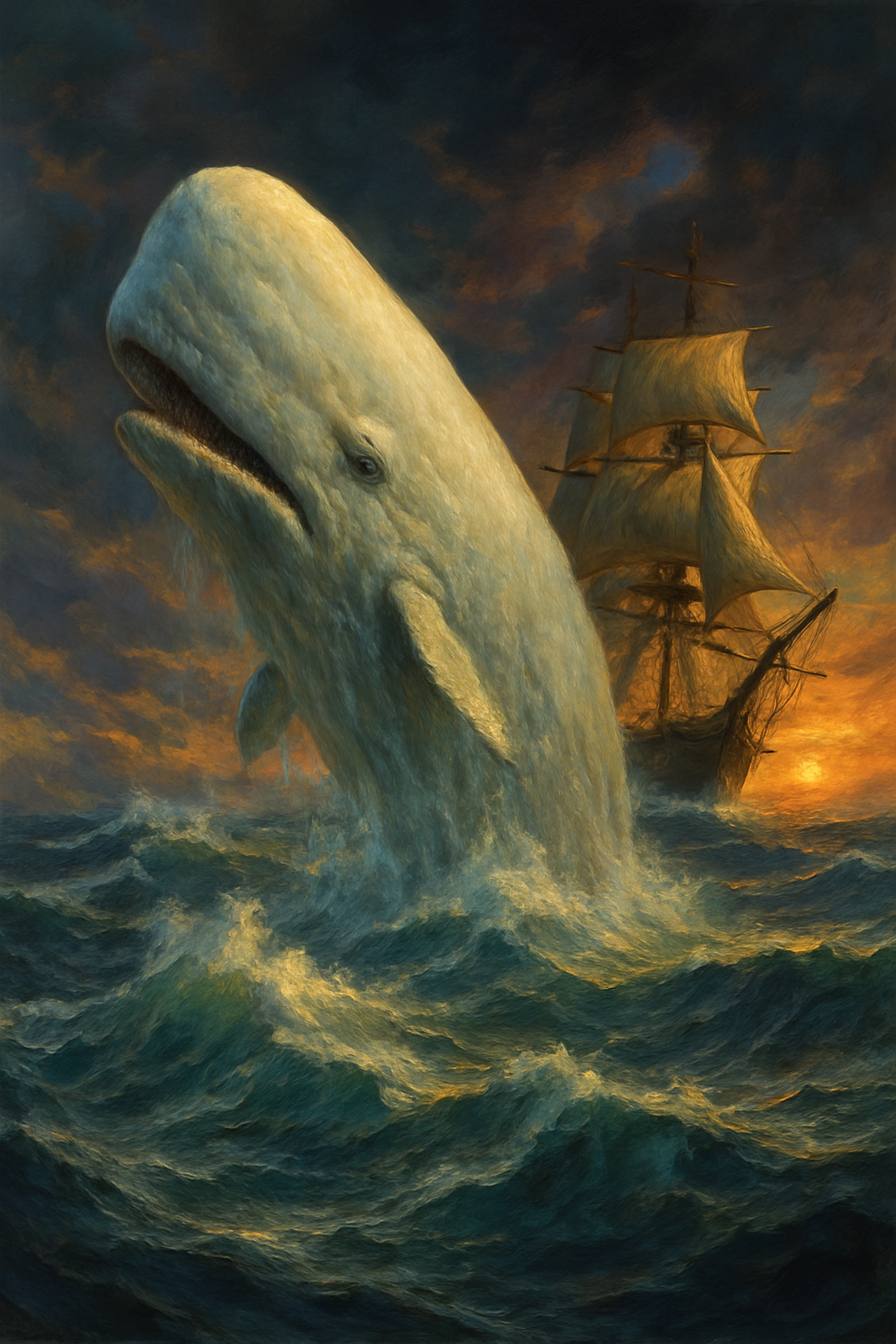
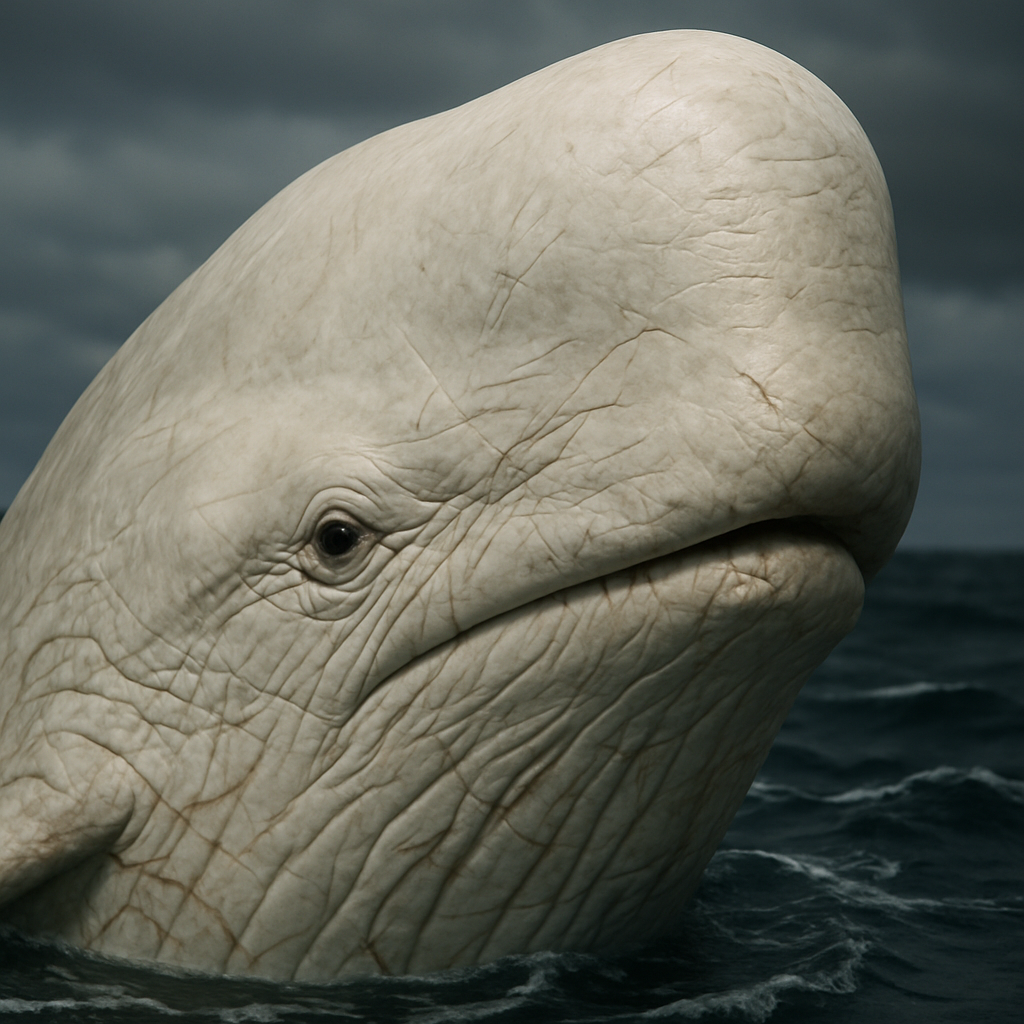 Moby DickMoby Dick is the legendary White Whale whose singular presence exerts a magnetic, almost mythic pull on the narrative, turning a whaling voyage into a relentless pursuit. More symbol than creature, he embodies nature’s vast power and inscrutability, provoking human obsession, fear, and defiance. His role anchors the novel’s central conflicts—man versus nature, free will versus fate—and propels the crew of the Pequod into a confrontation that tests the limits of purpose and madness without relying on simple villainy.
 IshmaelIshmael is the novel’s narrator and our guide into the 19th‑century whaling world, inviting the reader to “call me Ishmael” as he frames the voyage with curiosity, humor, and philosophical depth. Through his friendship with shipmates—especially the harpooner Queequeg—he humanizes life aboard the Pequod and provides cultural, technical, and metaphysical reflections that broaden the story beyond a single quest. His clear-eyed observations ground the narrative, balancing adventure with meditation on fate, faith, companionship, and the sea.
 PipPip is the Pequod’s young cabin boy, a gentle, musical presence whose innocence highlights the harshness of life at sea. After a traumatic episode that leaves him psychologically altered, he becomes a poignant emblem of vulnerability and truth, his fragmented insights unsettling the crew and illuminating the moral stakes of the voyage without driving its action.
 DaggooDaggoo serves as Flask’s harpooneer aboard the Pequod, a formidable whaleman whose size, strength, and fearless composure make him a vital force during hunts. His presence underscores the novel’s cosmopolitan crew and the raw, physical demands of whaling, adding weight and intensity to the ship’s pursuits without dominating the narrative.
 PelegPeleg is a retired whaling captain and one of the Quaker owners of the Pequod; he helps hire the crew, haggles over sailors’ shares, and sets the voyage’s practical business in motion. Earthy and outspoken, he serves as a lively counterpoint to his more austere partner, Bildad, and introduces readers to the ship’s world and its looming captain without giving everything away.
Study guide
Summaries and analysis of all 136 chapters, and profiles of 32 characters, illustrated with scenes from the book.
Key Scenes & Storyboard
9 illustrated scenes. These appear beside the passage they depict as you read.


Themes
- Obsession
- Fate vs. free will
- Man and nature
- Identity
- Isolation
Why Read Moby-Dick?
Read Moby-Dick for its rare combination of high adventure and deep inquiry. The novel supplies thrilling shipboard scenes and whale chases while also supplying sustained reflection on grief, leadership, and the limits of knowledge. Melville’s digressions on cetology, ritual, and law animate a vanished working world and enlarge the story’s moral and symbolic stakes.
For a modern reader, the book still resonates: its portrait of charismatic leaders who demand unquestioning loyalty; its meditations on cultural difference and belonging through characters like Queequeg; and its linguistic daring make it a rich source of ideas and images. Whether you approach it for story, voice, or philosophical provocation, Moby-Dick repays attention with a dense, often surprising mixture of entertainment and thought.
Experience Moby-Dick on Book2Life
Read with AI-generated visuals, character portraits, audio narration, smart summaries, and more — free in your browser and on iPhone.