Pride and Prejudice Chapter 4 Summary
Jane praises Mr. Bingley
Jane admires Mr. Bingley; Elizabeth judges his sisters and Darcy's character is described.
Summary
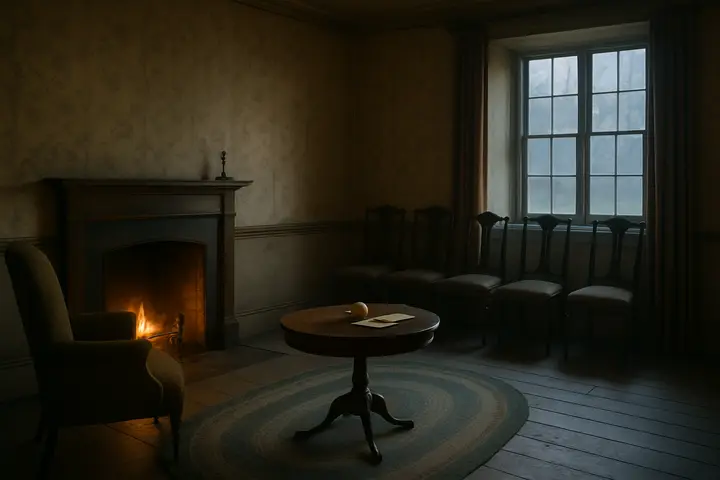
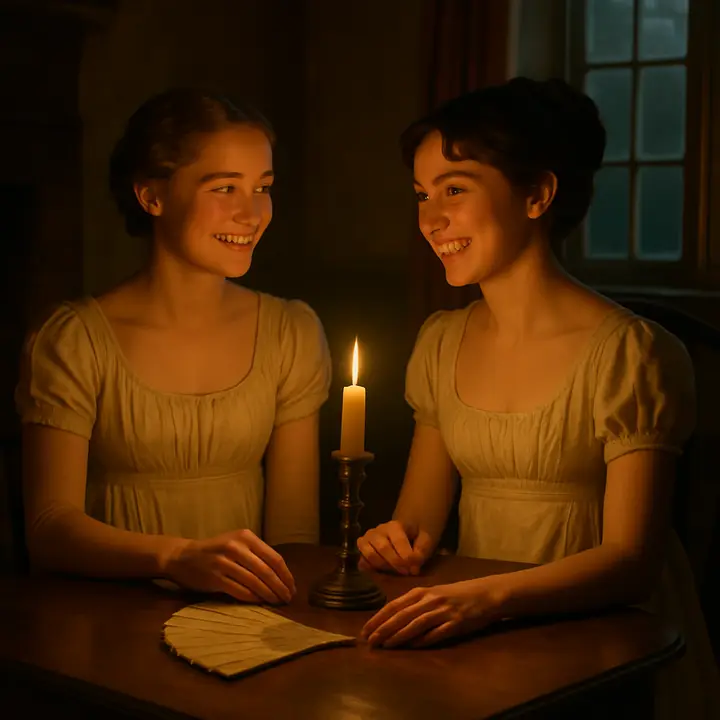
Jane Bennet tells Elizabeth how much she admires Mr. Bingley, praising his sensibility, good humour, ease, and perfect breeding, and she is pleased at being asked to dance again. Elizabeth teases Jane about her readiness to accept compliments and points out that Jane never sees faults in others; the sisters banter about being surprised by flattery and about Jane's willingness to like people. Jane also mentions that Miss Bingley will live with her brother and hopes she will prove a charming neighbour.
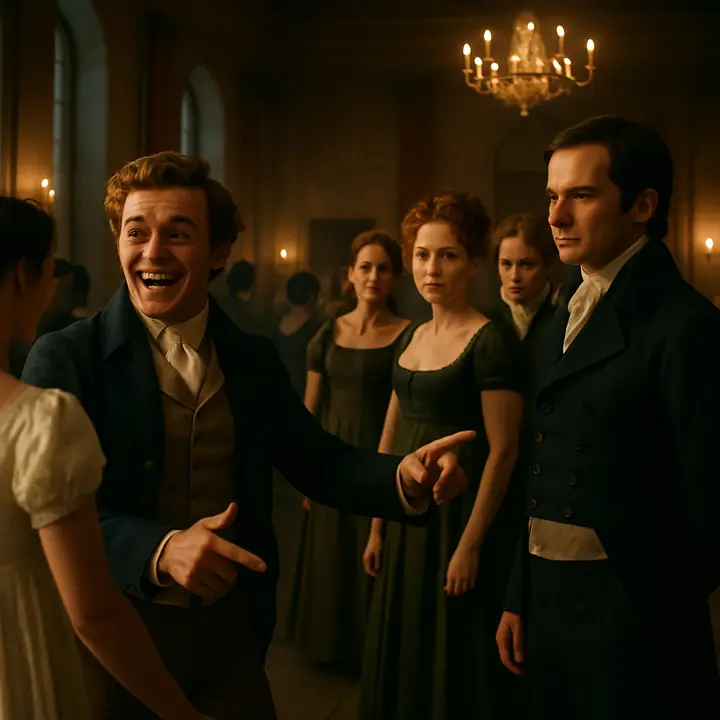
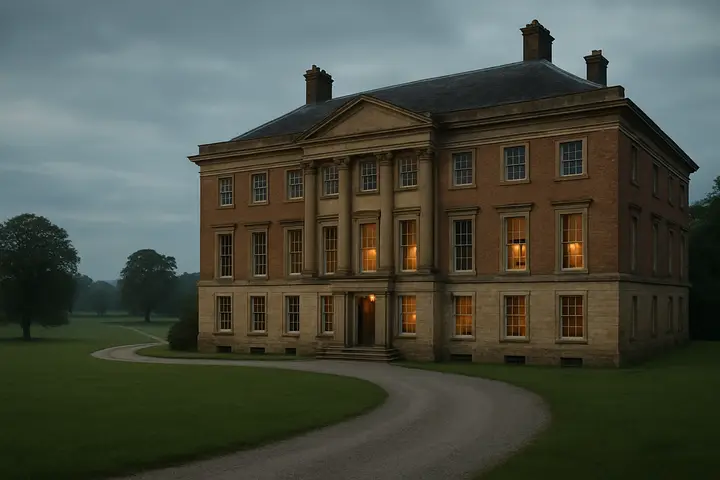
The narrative then shifts to an external account of the Bingley family and of Mr. Darcy. Bingley is depicted as amiable, open, and easily liked; he inherited a large fortune and promptly took Netherfield House. His sisters are described as proud, conceited, and accustomed to genteel company, with a fortune of their own and ambitions for establishing him with an estate. Darcy, by contrast, is presented as superior in understanding but haughty, reserved, and fastidious—well-bred but not inviting—whose manner often gives offence. The chapter ends with the assembly opinions: Bingley found every part of the Meryton assembly pleasant and admired Miss Bennet greatly; Darcy saw little beauty or fashion and felt no interest, though he allows Miss Bennet to be pretty but smiles too much, while the sisters pronounce her a "sweet girl," encouraging Bingley's interest.
Key events
- Jane praises Mr. Bingley’s manners and is pleased to be asked to dance again.
- Elizabeth teases Jane for being too ready to see the good in people.
- Jane notes Miss Bingley will live with her brother at Netherfield.
- Narrator describes the Bingley sisters as proud, conceited, and socially ambitious.
- Mr. Bingley’s easy, agreeable temperament and his inheritance of Netherfield are detailed.
- Mr. Darcy is characterized as clever but haughty, reserved, and liable to give offence.
- The friends’ differing reactions to the Meryton assembly are contrasted: Bingley delighted, Darcy unimpressed.
Chapter 4 in pictures
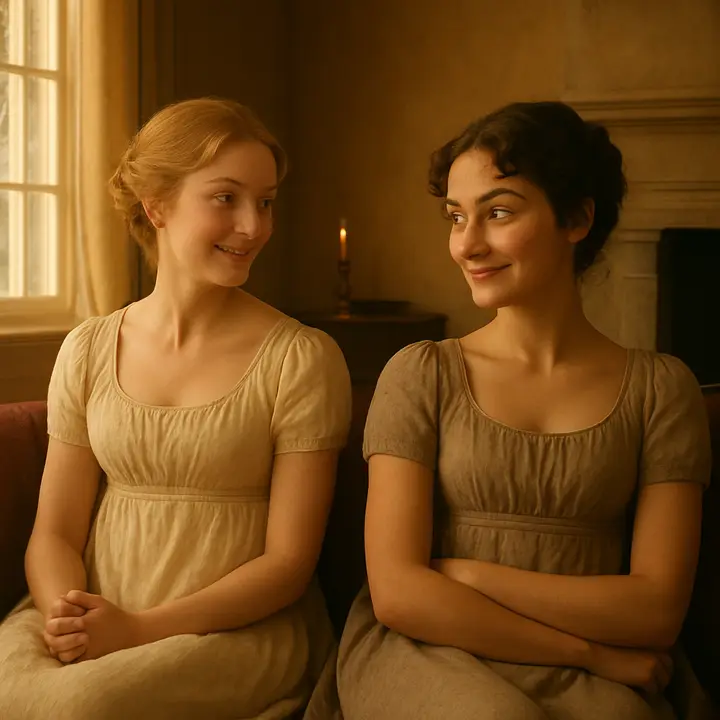
Analysis
This chapter deepens social and character contrasts central to the novel: Jane’s gentle good nature and Elizabeth’s sharper discernment are established through their dialogue, while the narrator’s voice provides a wider social sketch of the Bingleys and Darcy. The interplay of sisterly banter reveals personality by indirect characterization—Jane’s benign trust and Elizabeth’s irony—rather than overt judgement. The narrator’s description of the sisters’ education, fortune, and spending habits situates them in the novel’s class-conscious world and hints at motives behind their behaviour (concern for status and marriage prospects). Darcy’s portrait—intellectually superior yet socially aloof—introduces the recurring theme of pride versus amiability and sets up social friction: likability versus perceived worth.
Structurally, the chapter shifts between intimate dialogue and omniscient commentary, allowing readers to compare subjective impressions with more detached observation. Foreshadowing and narrative emphasis appear in the way Miss Bennet is publicly labelled a "sweet girl," which influences how others, especially Bingley, are justified in forming attachments; likewise, the contrast between Bingley’s ease and Darcy’s reserve foreshadows tensions in social acceptance and relationships. The narrator’s ironic tone also primes readers to question surface politeness and to look for underlying motives in character conduct.
Important quotes
“He was at the same time haughty, reserved, and fastidious; and his manners, though well bred, were not inviting.”
NarratorA concise narrator's judgment of Mr. Darcy that contrasts his intellect and breeding with a social coldness that often gives offence.
“Miss Bennet was therefore established as a sweet girl; and their brother felt authorized by such commendation to think of her as he chose.”
NarratorShows how public praise from the Bingley sisters legitimizes Bingley's interest in Jane and signals social labeling influencing courtship.
Characters in Chapter 4
All chapter summaries ›Characters ›
Read Pride and Prejudice illustrated
Every scene in these notes comes from the Book2Life reader, where the full public-domain text is illustrated as you read, with character portraits and narration. Free in your browser and on iPhone.
