Pride and Prejudice Chapter 3 Summary
The Meryton Assembly
The Bennet family learns more about Mr. Bingley and Mr. Darcy at a local assembly, where Bingley charms and Darcy offends.
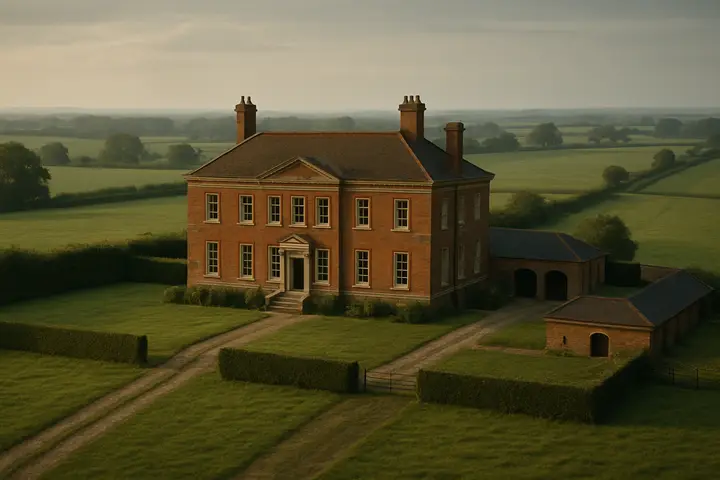
Summary
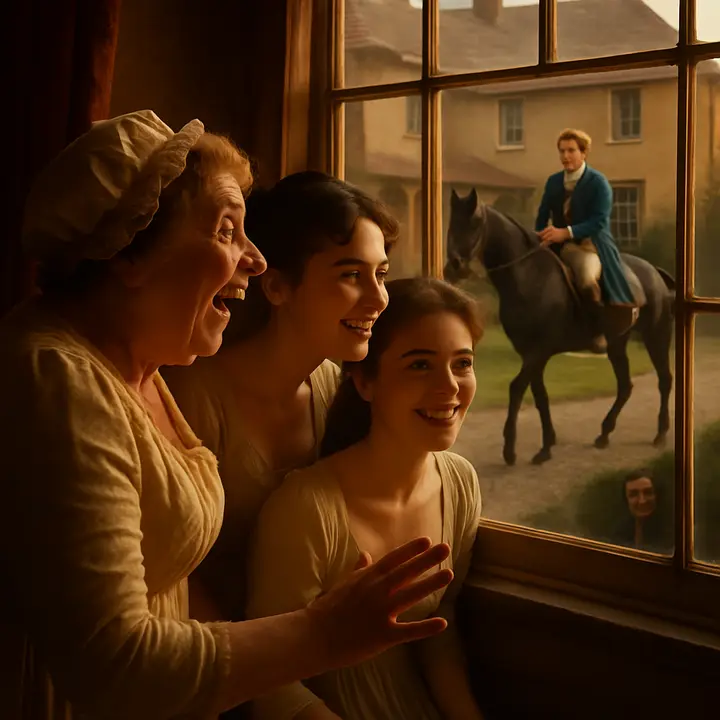
Mrs. Bennet and her daughters press Mr. Bennet for details about the new tenant, Mr. Bingley, but he gives little information, so they accept Lady Lucas’s favorable report. Lady Lucas tells them Sir William Lucas admired Bingley—young, handsome, agreeable, and likely to attend the upcoming assembly with a large party—raising Mrs. Bennet’s hopes that one of her daughters might marry well. Bingley visits Mr. Bennet briefly; the girls glimpse him from an upper window and note his blue coat and black horse. An invitation to dinner is deferred because Bingley must be in town, stirring Mrs. Bennet’s anxieties that he might not settle in Hertfordshire.
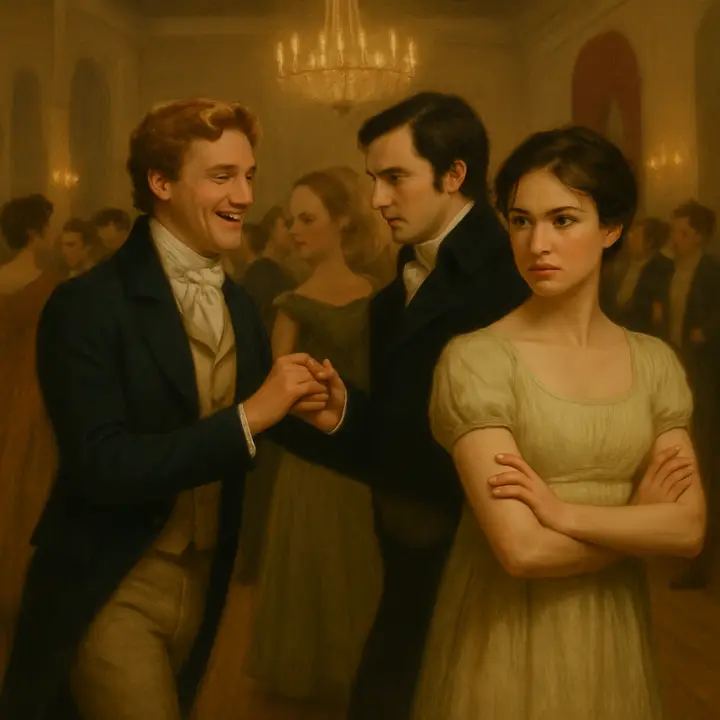
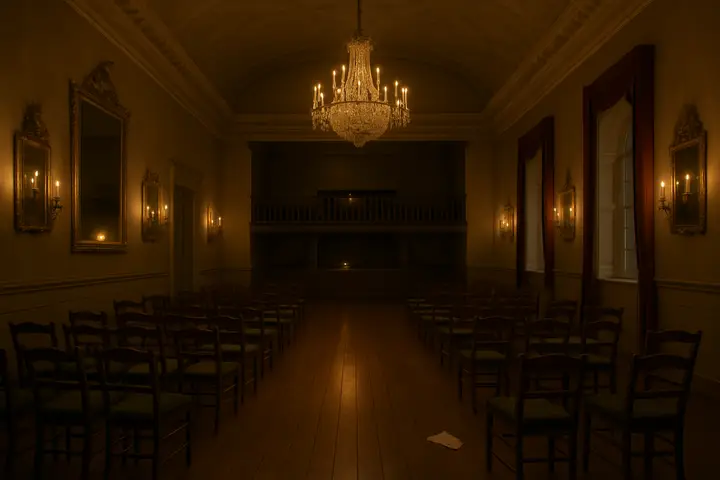
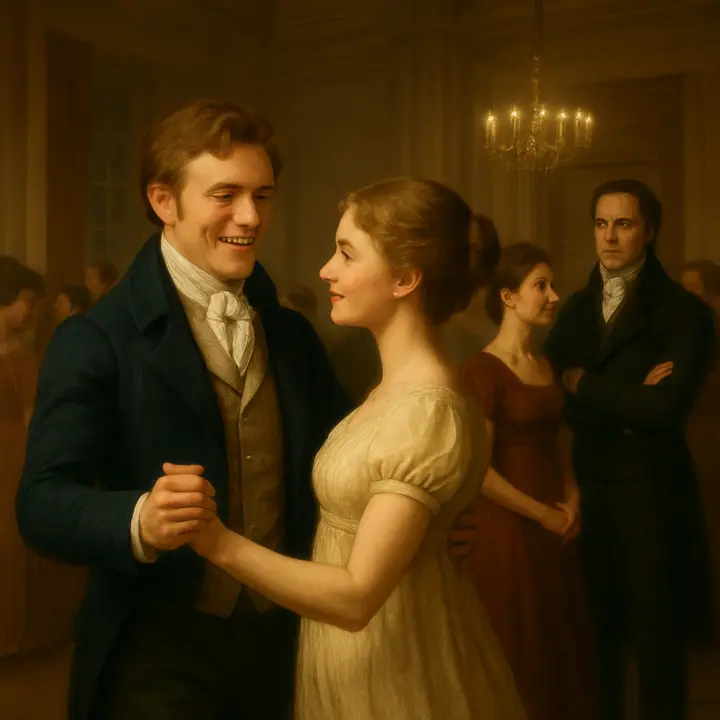
At the assembly, Bingley arrives with his sisters, a brother-in-law, and one friend—Mr. Darcy. Bingley quickly wins approval: lively, unreserved, and enthusiastic about dancing. Darcy’s appearance draws attention—handsome, tall, and reputedly wealthy—but his reserved, proud manner soon earns disapproval. He declines to dance except twice and makes a pointed slight about one of the Bennet daughters, calling Elizabeth "tolerable" and saying she is "not handsome enough to tempt me." The Bennet family returns to Longbourn pleased overall: Jane is admired by the Netherfield party and danced with by Bingley, Mary is praised by Miss Bingley, and Kitty and Lydia enjoy constant partners. Mrs. Bennet, especially, revels in the prospect of advantageous connections, while she bitterly recounts Darcy’s perceived rudeness to Mr. Bennet and demands he reprimand him for it.
Key events
- Mrs. Bennet and daughters try to extract information about Mr. Bingley from Mr. Bennet.
- Lady Lucas reports Sir William’s favorable impression of Mr. Bingley.
- Mr. Bingley briefly visits Mr. Bennet; the daughters glimpse him wearing a blue coat and riding a black horse.
- Bingley postpones a dinner invitation due to a trip to town, raising Mrs. Bennet’s concerns.
- At the assembly, Bingley charms everyone with his sociability and dancing.
- Mr. Darcy’s proud reserve and the remark about Elizabeth offend the assembly and the Bennet family.
- The Bennets return to Longbourn pleased about Jane’s success and indignant about Darcy’s conduct.
Chapter 3 in pictures
Analysis
This chapter establishes social tone and introduces two contrasting male visitors who will shape the Bennet family’s hopes and anxieties. Bingley functions as an immediate object of social approbation: open, amiable, and eager to participate in local life, he embodies the desirable suitor who advances Mrs. Bennet’s matrimonial plans. Darcy’s entrance creates tension through narrative contrast—physical admiration is quickly undermined by a proud manner and a cutting, public evaluation of Elizabeth. Austen’s free indirect style and the narrator’s ironic voice allow both characters to be shown and judged partly through the reactions of others, especially Mrs. Bennet and the younger Bennet daughters, signaling class and personality as axes of judgment.
The assembly scene also foregrounds themes of social performance, reputation, and marriage: dancing becomes a metric of sociability and desirability, while conversation reveals prejudices and first impressions. Darcy’s curt remark about Elizabeth functions as inciting friction; it provokes her resentment and frames their early relationship through mutual (and communal) misunderstanding. Austen uses the public space of the assembly to show how private hopes (Mrs. Bennet’s marital ambitions) and public reputation (wealth, manners) interact, and she seeds future conflicts by making first impressions both decisive and potentially misleading. The chapter’s structure—build-up at Longbourn, public display at the assembly, and the family’s debriefing—efficiently establishes social dynamics that will play out across the novel.
Important quotes
“He was quite young, wonderfully handsome, extremely agreeable, and, to crown the whole, he meant to be at the next assembly with a large party.”
NarratorLady Lucas’s report to the Bennets that fuels Mrs. Bennet’s hopes about Mr. Bingley.
“He was the proudest, most disagreeable man in the world, and everybody hoped that he would never come there again.”
NarratorThe immediate social verdict on Mr. Darcy after his reserved manners alienate the assembly.
Characters in Chapter 3
All chapter summaries ›Characters ›
Read Pride and Prejudice illustrated
Every scene in these notes comes from the Book2Life reader, where the full public-domain text is illustrated as you read, with character portraits and narration. Free in your browser and on iPhone.
