
Mr. Darcy in Pride and Prejudice
Major character
A wealthy, reserved gentleman whose pride and social position shape conflicts and whose changing conduct culminates in love for Elizabeth Bennet.
Who is Mr. Darcy?
Mr. Fitzwilliam Darcy is a wealthy, well-born gentleman whose reserve and high social standards initially set him apart from Hertfordshire society. He wants to preserve family honour and act according to his judgment of propriety, which leads him to intervene between Mr. Bingley and Jane Bennet and to withdraw from social intimacy. Over the course of the novel he acts with increasing personal risk: he resists local prejudices, offers guarded civility to Elizabeth, and later confesses his love in a clumsy, proud proposal. After Elizabeth refuses and confronts him, he writes a long explanatory letter revealing facts about Wickham and his motives, which prompts Elizabeth to rethink her judgments. Darcy later performs decisive, largely hidden services on behalf of the Bennet family: he locates Wickham and Lydia, negotiates Wickham’s marriage, and settles debts to secure Lydia’s respectability. By the end he openly seeks Elizabeth, renounces prior interference in friendships, and reconciles family obligations with personal feeling, marrying Elizabeth and settling affairs at Pemberley with Georgiana.
In the book: Mr. Fitzwilliam Darcy is a wealthy, well-bred gentleman whose reserve, social confidence, and status make him a powerful presence in the world of Pride and Prejudice. Initially perceived as proud, he becomes a central figure through his evolving connection with Elizabeth Bennet, challenging her assumptions and illuminating the novel’s themes of class, first impressions, and self-knowledge. His character anchors the story’s exploration of personal growth and the difference between surface judgment and true worth.
Personality
- Proud
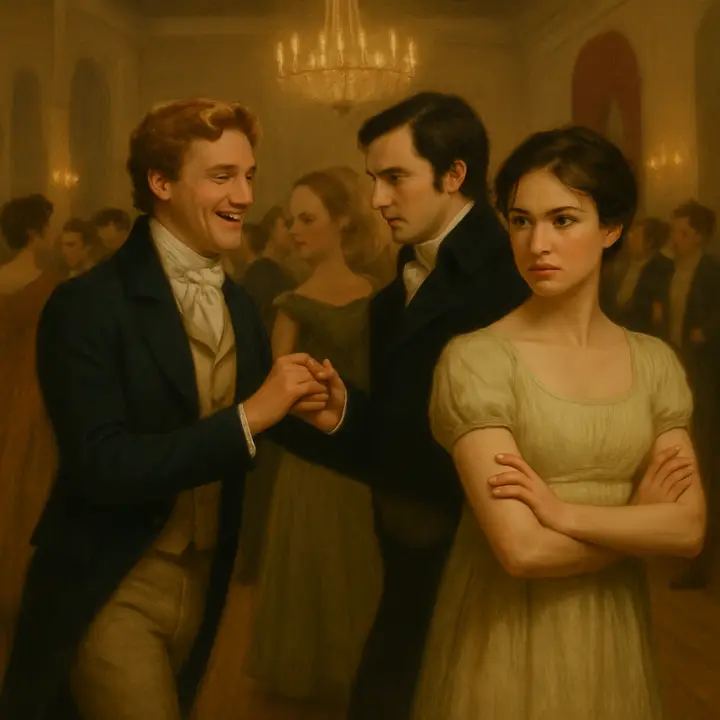
- At the Meryton assembly he declines most dances and calls Elizabeth "not handsome enough to tempt me," establishing a reputation for hauteur (Chapter 3).
- Reserved
- Throughout visits—Netherfield, Rosings, and the parsonage—he often sits silent or answers tersely, surprising and puzzling his hosts (Chapters 8, 31, 32).
- Principled
- He explains in a letter that he acted to prevent what he judged an imprudent alliance between Bingley and Jane, defending that conduct as for his friend’s welfare (Chapter 35).
- Generous
- After Lydia’s elopement he secretly locates Wickham, secures his marriage to Lydia, pays debts, and buys a commission to settle the match (Chapter 52).
- Self-reflective
- Following Elizabeth’s rejection and her reading of his letter, he recognizes faults and later apologizes and alters behavior to win her esteem (Chapters 34–58).
Character arc
When first encountered Darcy stands as an emblem of landed privilege: distant, haughty, and ready to judge society by rank. Early incidents—his refusal to dance, his remark about Elizabeth, and his counsel to Bingley—cement local dislike and Elizabeth’s prejudice. His abrupt, prideful proposal at Rosings reveals intense feeling constrained by social scruple; Elizabeth’s fierce refusal and accusation prompt him to explain himself in writing. That explanatory letter forces him to confront the consequences of his actions and to see how pride and rigid judgment wound others. In the wake of Lydia’s scandal, Darcy moves from private defensiveness to decisive, self-sacrificing action, arranging and financing the marriage to protect the Bennets’ honour while keeping his involvement secret. These services, together with more genial, civil behavior at Pemberley and later candid dialogue with Elizabeth, complete his transformation from a proud, insulated nobleman into a man capable of humility, sincere contrition, and an equal partnership founded on mutual respect and affection; by the novel’s close he has married Elizabeth and reconciled public station with private tenderness.
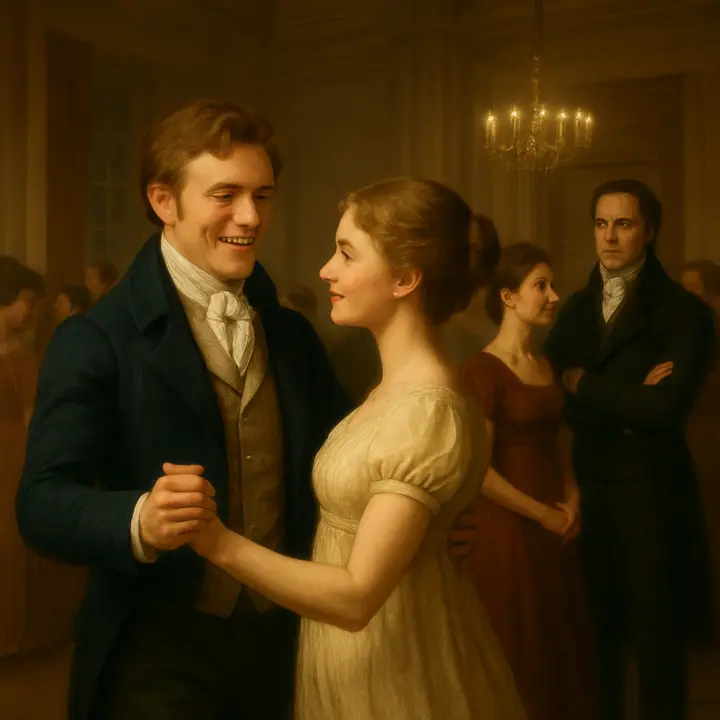
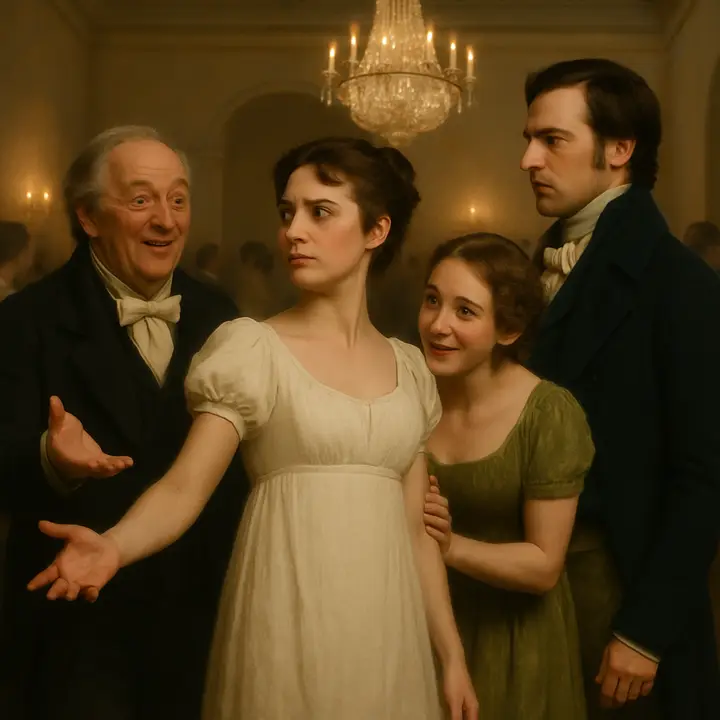
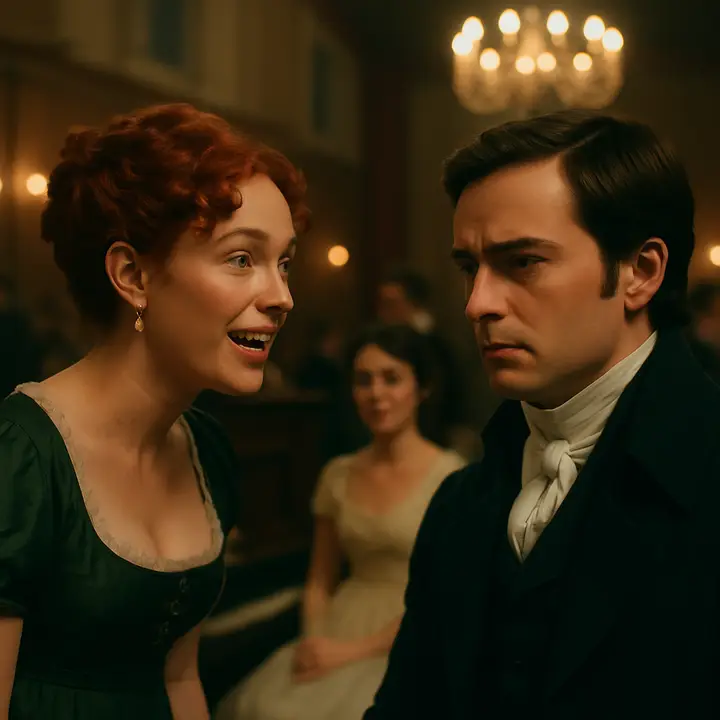
Mr. Darcy in pictures

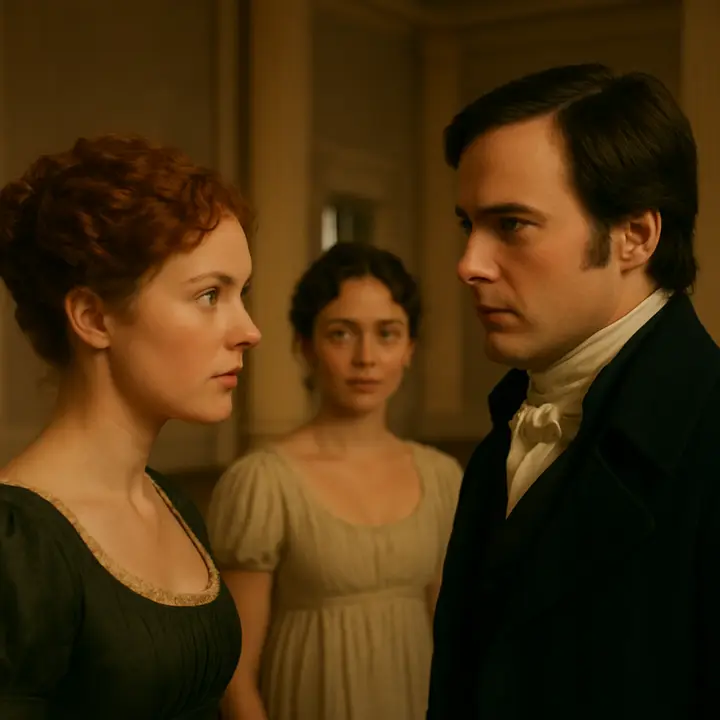
Relationships
- Elizabeth Bennet A complex romantic and moral partner: he admires and loves her, is wounded by her rejection, learns from her criticisms, and ultimately marries her.
- Georgiana Darcy His shy, younger sister, whom he protects, tutors, and introduces to Elizabeth as part of family reconciliation.
- Mr. Bingley A close friend whose romantic prospects Darcy once thwarts for prudential reasons but later encourages to secure Jane’s happiness.
- Mr. Wickham A former acquaintance whose charm masks improvidence and deceit; Darcy reveals Wickham’s true conduct and later forces him into marriage to mitigate scandal.
- Lady Catherine de Bourgh His imperious aunt whose opinions influence social expectations; her interference prompts confrontations that test Darcy’s loyalties and resolve.
- Caroline Bingley An ambitious sister-in-law who flatters him publicly yet privately schemes to advance her own family’s matches and disparages Elizabeth.
Quotes by Mr. Darcy
“It is a compliment which I never pay to any place if I can avoid it.”
Chapter 6Darcy bluntly refuses to dance as a compliment to town or fashionable society, revealing his reserve and pride.
“Miss Elizabeth Bennet.”
Chapter 6Darcy names Elizabeth as the woman whose eyes and presence have occupied his thoughts, surprising Miss Bingley and marking a shift in his attention.
“They all paint tables, cover screens, and net purses.”
Chapter 8Bingley lists the commonplace accomplishments of young ladies, which sparks Darcy and Miss Bingley’s debate about what being "accomplished" truly means.
“I cannot boast of knowing more than half-a-dozen in the whole range of my acquaintance that are really accomplished.”
Chapter 8Darcy narrows the definition of accomplishment to deeper cultural and intellectual refinement, distancing himself from fashionable flattery.
“I am perfectly ready, I assure you, to keep my engagement; and, when your sister is recovered, you shall, if you please, name the very day of the ball.”
Chapter 9Bingley promises Lydia that he will give the ball he had spoken of, setting up a future social event.
“This walk is not wide enough for our party. We had better go into the avenue.”
Chapter 10Darcy notices the rudeness of allowing Elizabeth to be left out and proposes moving, signaling his sensitivity to manners even as others behave discourteously.
Why Mr. Darcy matters
Darcy embodies the novel’s exploration of class, pride, and the limits of first impressions. His evolution—from proud reserve to self-aware generosity—shows how social station can blind and how personal introspection can correct error. His relationship with Elizabeth dramatizes the book’s theme that true worth depends on character revealed over time, not on surface manners. Darcy’s private interventions (especially over Wickham and Lydia) also probe ideas of responsibility and discreet virtue: he uses wealth and influence to repair social harm, complicating simplistic moral judgments and underscoring the novel’s interest in conscience, reputation, and moral growth.
Chapters with Mr. Darcy
- Chapter 3
- Chapter 4
- Chapter 5
- Chapter 6
- Chapter 8
- Chapter 9
- Chapter 10
- Chapter 11
- Chapter 12
- Chapter 15
- Chapter 16
- Chapter 17
- Chapter 18
- Chapter 21
- Chapter 24
- Chapter 25
- Chapter 29
- Chapter 30
- Chapter 31
- Chapter 32
- Chapter 33
- Chapter 34
- Chapter 35
- Chapter 36
- Chapter 37
- Chapter 40
- Chapter 41
- Chapter 42
- Chapter 43
- Chapter 44
- Chapter 44
- Chapter 45
- Chapter 46
- Chapter 47
- Chapter 51
- Chapter 52
- Chapter 53
- Chapter 54
- Chapter 55
- Chapter 56
- Chapter 57
- Chapter 58
- Chapter 59
- Chapter 60
- Chapter 61
More Pride and Prejudice characters
 Elizabeth BennetProtagonist
 Jane BennetMajor character
 Mr. BingleyMajor character
 Mrs. BennetMajor character
 Mr. BennetMajor character
 Lydia BennetMinor character
 Mr. CollinsMajor character
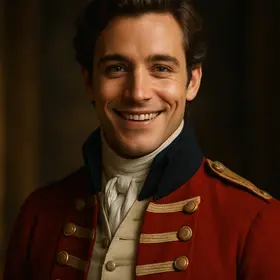 Mr. WickhamMajor character
All chapter summaries ›Characters ›
Read Pride and Prejudice illustrated
Every scene in these notes comes from the Book2Life reader, where the full public-domain text is illustrated as you read, with character portraits and narration. Free in your browser and on iPhone.
