Antilochus in The Iliad
Minor character
Nestor’s son, an Achaean warrior who fights at the ships, races in Patroclus’ funeral games, and brings Achilles the fatal news.
Who is Antilochus?
Antilochus is the young son of Nestor who appears among the Achaean fighting near the ships and in the funeral rites for Patroclus. On the battlefield he fights alongside other leaders (appearing with Teucer, Meriones, Idomeneus and the Ajaxes) and helps hold the line when Neptune and the other gods stir the Greeks. His most dramatic action in the supplied notes is racing to Achilles’ ships to tell Achilles that Patroclus has been slain and that Hector is wearing Achilles’ armour; this message propels Achilles from inaction into overwhelming grief and a vow of vengeance. After Patroclus’ death Achilles organizes funeral games, and Antilochus competes as one of the contestants, participating in the communal rituals that honor the fallen and reassert social bonds among the Achaeans. Throughout the episodes in the notes he functions as a fighting youth, a trusted attendant and messenger, and a visible participant in the communal responses to loss and warfare.
Personality
- loyal
- He hastens to Achilles’ ships to report Patroclus’ death, acting to serve his comrades in a crucial moment (Book 18).
- brave
- He fights vigorously under the ships among the Ajaxes, Teucer, Meriones and others during the fierce struggle there (Book 13).
- youthful/energetic
- He takes an active role in both battle and the funeral games, entering contests and striking in the mêlée beneath the ships (Books 13, 23).
- competitive
- He competes in Achilles’ funeral games for Patroclus, standing alongside other champions in contests of skill (Book 23).
Character arc
Antilochus appears first as an energetic younger warrior in the thick of the fighting beneath the ships, contributing to the Achaeans’ defense when gods and men turn the tide (Book 13 and 14). His role shifts from combatant to crucial messenger in Book 18, when he arrives at Achilles’ ships bearing the news of Patroclus’ death and that Hector has taken Achilles’ armour; this act triggers Achilles’ overwhelming grief and re-entry into the fighting. After that pivotal announcement Antilochus continues as part of the communal response to loss: he participates in the mourning, the pyre rites, and then in the funeral games themselves (Book 23), moving from frontline combat to ritual participant. He does not undergo a profound personal transformation in these notes—he remains loyal, brave, and competitive—but his function in the narrative grows more prominent as he helps convert battlefield events into communal action and ritual closure, showing the roles young warriors play in both war and its aftermath.
Relationships
- Nestor His father; Antilochus fights among Nestor’s circle and appears as one of his active younger sons.
- Achilles Trusted Achaean at Achilles’ ships who brings the decisive news of Patroclus’ death and Hector’s capture of Achilles’ armour.
- Patroclus Comrade and honored fallen whose death Antilochus reports and whose funeral games he competes in.
- Teucer Fellow defender at the ships, fighting alongside Antilochus in the struggle under Neptune’s inspiration.
- Meriones Comrade and fellow contestant in the funeral games, appearing among the competitors Antilochus contests with.
- Idomeneus Another Achaean leader present in the same battles beneath the ships, fighting in the same cohort as Antilochus.
Quotes by Antilochus
“Alas,” he cried, “son of noble Peleus, I bring you bad tidings, would indeed that they were untrue. Patroclus has fallen, and a fight is raging about his naked body—for Hector holds his armour.”
Book 18Antilochus breaks the news of Patroclus’ death to Achilles, triggering Achilles’ grief and vow of revenge.
Why Antilochus matters
Antilochus functions as a connective figure between battle, personal loss, and communal ritual. By acting as messenger, combatant and competitor in the funeral games, he helps transform individual death into public mourning and action. His presence emphasizes themes of loyalty and the duties of younger warriors: they fight, they bear hard news, and they participate in rites that reconstitute social bonds after slaughter. Though not a central tragic figure, Antilochus embodies the energetic, dutiful youth whose actions propel the larger heroes (like Achilles) back into the cycle of vengeance and honor that drives the poem.
Chapters with Antilochus
More The Iliad characters
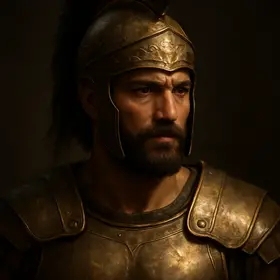 Hector
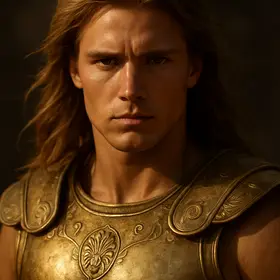 Achilles
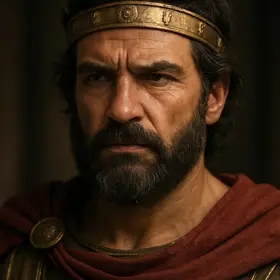 Agamemnon
 Apollo
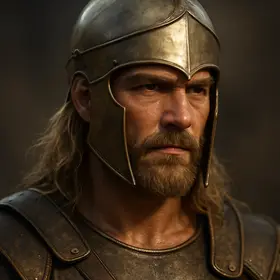 Menelaus
 Zeus
Zeus Nestor
 Patroclus
All chapter summaries ›Characters ›
Read The Iliad illustrated
Every scene in these notes comes from the Book2Life reader, where the full public-domain text is illustrated as you read, with character portraits and narration. Free in your browser and on iPhone.
