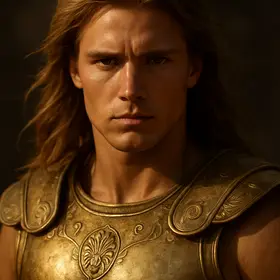
Achilles in The Iliad
Protagonist
Greatest Achaean warrior, son of Peleus and Thetis, leader of the Myrmidons whose wrath drives the poem.
Who is Achilles?
Achilles is the foremost Greek champion whose personal pride and sense of honour shape the Achaeans' fate. Insulted when Agamemnon takes Briseis, Achilles withdraws from battle and refuses Agamemnon's offers, praying to his mother Thetis to ask Zeus to tip the war in the Trojans' favour. His absence permits Trojan gains and costs many Greek lives. He allows Patroclus to enter battle in his armour; Patroclus is killed by Hector, which transforms Achilles' grief into implacable fury. He returns to the fighting with new armour from Hephaestus, slaughters countless Trojans, kills Hector, and initially desecrates Hector's corpse. Confronted by Priam's supplication and moved by pity, Achilles accepts ransom, returns Hector's body, and pauses to mourn. Across these episodes he pursues honour, revenge, and the regulation of grief, driving key plot turns and linking mortal decisions to divine interventions.
In the book: Achilles is the preeminent Greek hero of the Iliad, son of the mortal king Peleus and the sea-goddess Thetis, and leader of the Myrmidons. The poem centers on his wrath and its consequences for the Achaean war effort against Troy, exploring themes of honor, pride, friendship, and the cost of glory.
Personality
- Wrathful
- He withdraws from battle after Agamemnon takes Briseis and vows not to fight, setting the poem's central conflict in motion (Book 1).
- Proud
- He rejects Agamemnon's embassy and offered gifts, insisting his honour cannot be bought back (Book 9).
- Loyal
- He loves Patroclus deeply and his grief at Patroclus' death propels him back into combat to avenge him (Books 16, 18).
- Relentless
- He pursues fleeing Trojans across the plain and slaughters many, even forcing the river to rise in protest (Book 21).
- Merciful (eventual)
- After Priam's appeal Achilles accepts ransom and restores Hector's body for burial (Book 24).
Character arc
Achilles enters the poem as a proud, wrathful champion who values personal honour above collective need: in Book 1 he withdraws from the fighting after Agamemnon's insult, and his refusal deepens the Achaeans' peril. Repeated attempts to reconcile him (Book 9) fail because he remains steadfast in wounded pride. The death of Patroclus (Books 16–17) marks the pivot: grieving, Achilles channels rage into a return to slaughter (Books 18–21), dons divine armour, and seeks Hector to avenge his friend. His brutality peaks when he kills Hector and dishonours the corpse (Book 22), but the arc closes with a transformation of feeling when Priam's humble plea and the gods' will incline him to pity; in Book 24 Achilles accepts ransom, washes and returns Hector's body, and allows ritual burial. He moves from isolated fury and vindictiveness to a moment of humane recognition, though the poem keeps his knowledge of fate and the cost of glory as an undercurrent through this change.
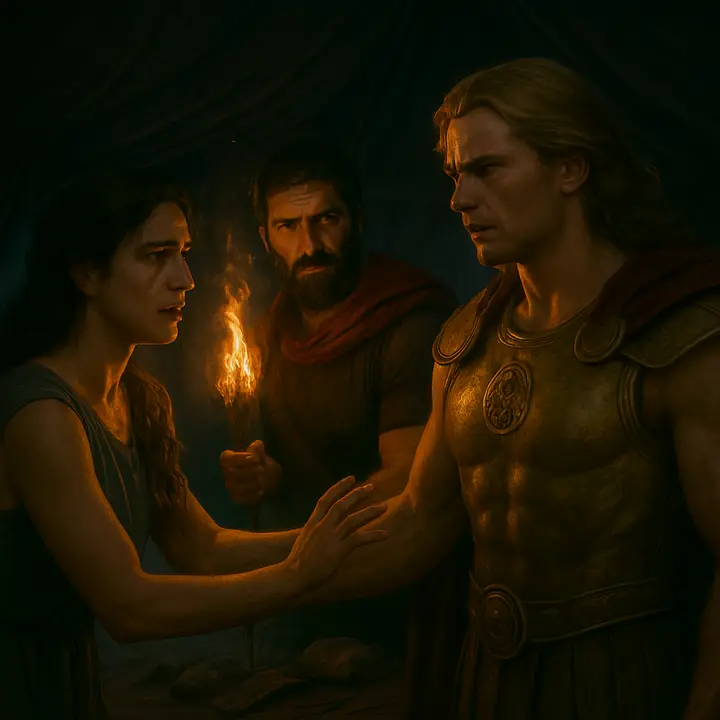
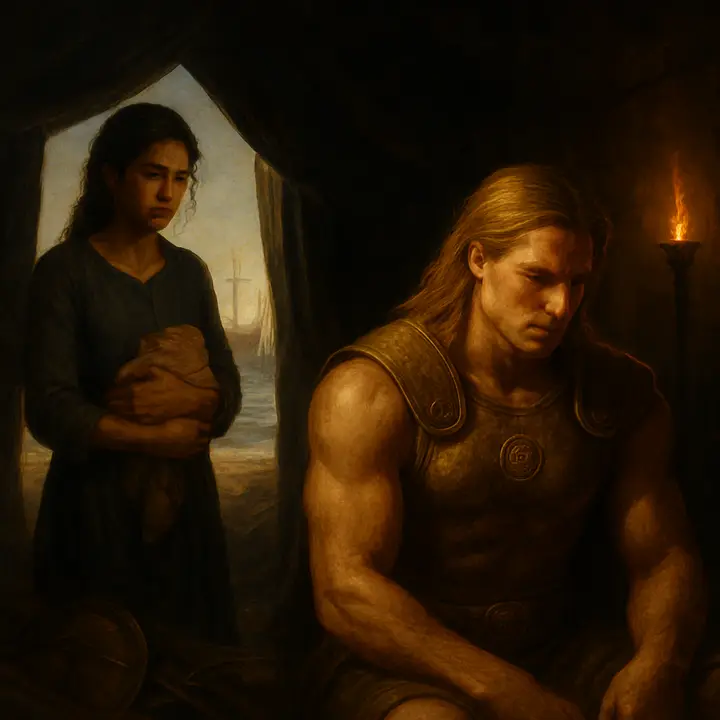
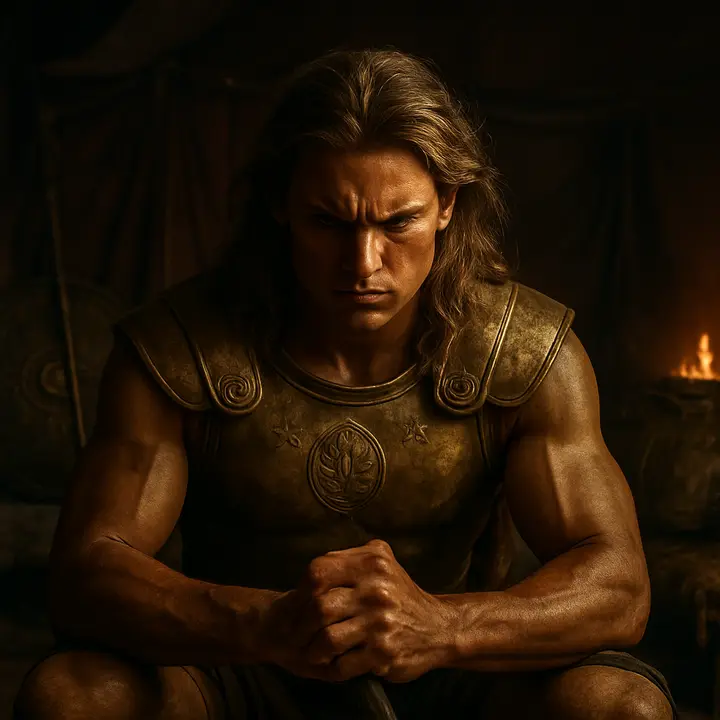
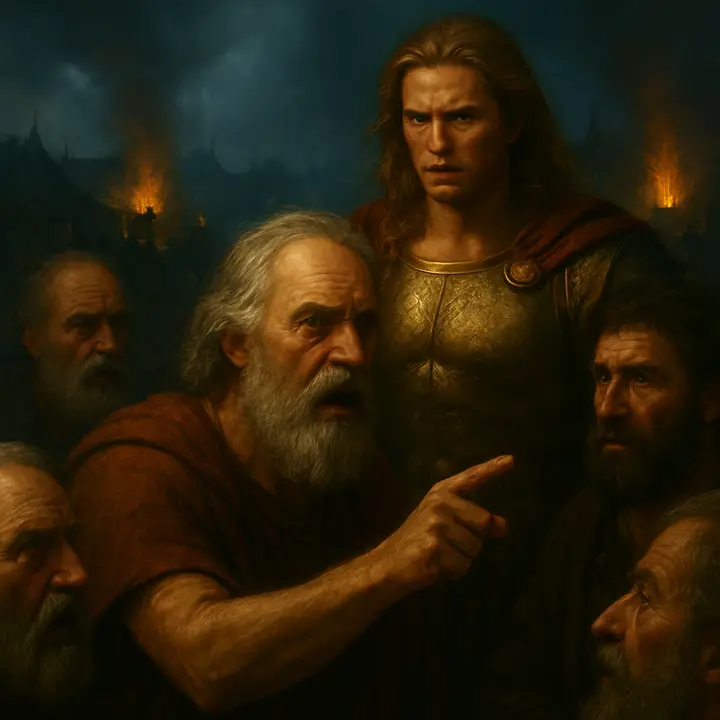
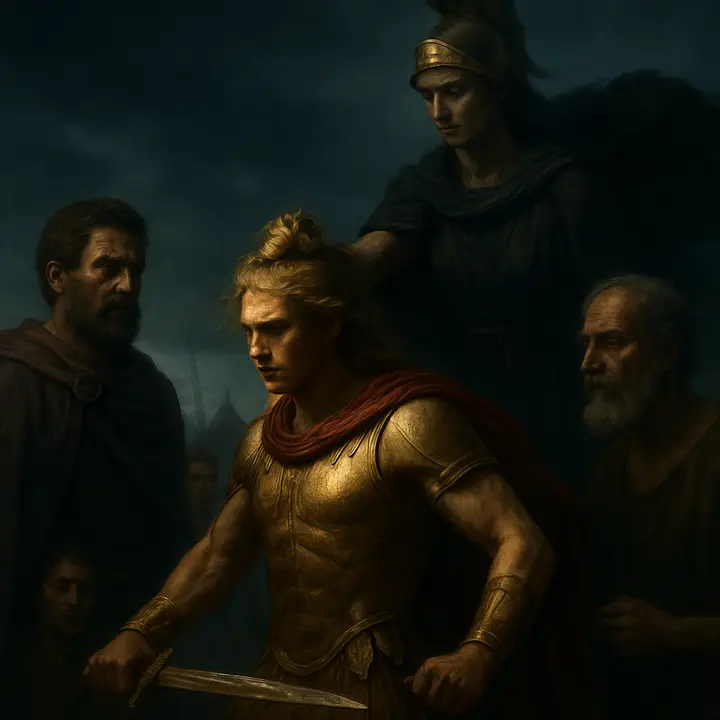
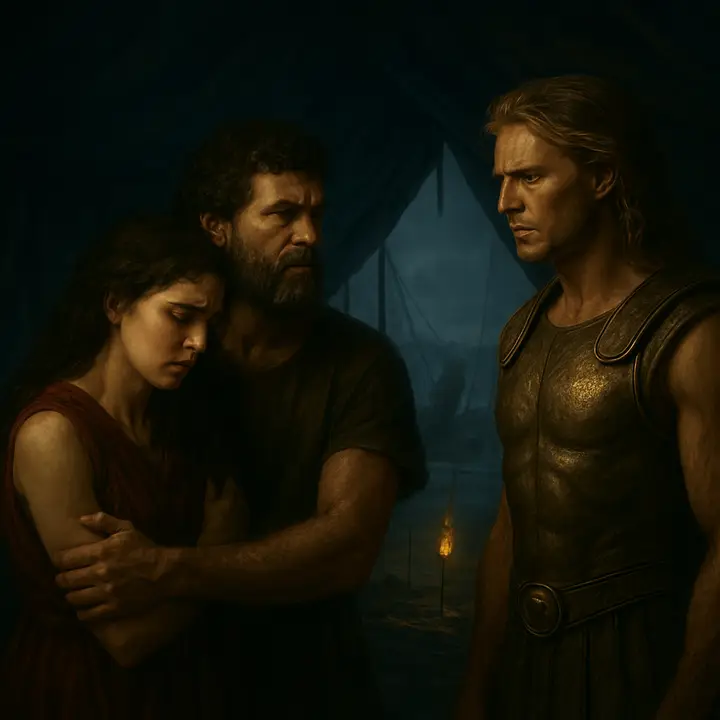
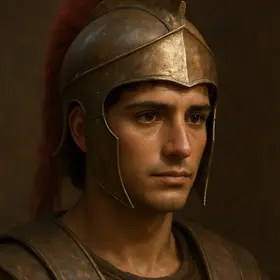
Achilles in pictures
Relationships
- Agamemnon Rival/leader whose seizure of Briseis sparks Achilles' withdrawal and later reconciles with Achilles in a formal exchange of gifts (Books 1, 19).
- Patroclus Beloved companion whose death in Achilles' armour drives Achilles back into battle and fuels his vengeance (Books 16–18).
- Thetis Sea-goddess mother who intercedes with Zeus for Achilles and brings Hephaestus' new armour to him (Books 1, 18).
- Hector Principal Trojan opponent who kills Patroclus and is in turn slain by Achilles, then is later ransomed and returned to Troy (Books 16, 22, 24).
- Priam Trojans' king who humbles himself to ransom Hector, moving Achilles to pity and the return of the corpse (Book 24).
- Briseis Prize whose confiscation by Agamemnon triggers Achilles' anger and withdrawal; she is later returned as part of reconciliation (Books 1, 19).
Quotes by Achilles
“I will be appeased neither by Agamemnon son of Atreus nor by any other of the Danaans, for I see that I have no thanks for all my fighting.”
Book 9Achilles rejects all offers and explains his sense of having been dishonored and denied proper reward.
“My mother Thetis tells me that there are two ways in which I may meet my end.”
Book 9Achilles outlines the choice between a short life with immortal fame or a long obscure life, framing his decision about staying or returning home.
“Why, Patroclus, do you stand there weeping like some silly child that comes running to her mother, and begs to be taken up and carried—she catches hold of her mother's dress to stay her though she is in a hurry, and looks tearfully up until her mother carries her—”
Book 16Achilles reproaches Patroclus for weeping and urges him to speak plainly about his grief and intentions.
“I put it from me: I dare not nurse it for ever; therefore, bid the Achaeans arm forthwith that I may go out against the Trojans, and learn whether they will be in a mind to sleep by the ships or no.”
Book 19Achilles announces in the assembly that he casts aside his anger at Agamemnon and will rejoin the fighting immediately.
“Let him go hang; he will be in no mood to fight me further, seeing how narrowly he has missed being killed.”
Book 20Achilles reacts after Poseidon rescues Aeneas and removes his spear, redirecting his fury to other Trojans.
“Idiot," said he, "talk not to me of ransom.”
Book 21Achilles refuses Lycaon's plea for mercy, declaring that after Patroclus' death he will give no quarter to Trojans.
Why Achilles matters
Achilles embodies the poem's exploration of honour, wrath, and the human cost of glory. His withdrawal shows how personal pride can imperil a collective cause; his return demonstrates how grief and friendship can override pride and drive extreme violence. The trajectory from wrath to begrudging compassion interrogates the limits of heroism: Achilles attains revenge and renown but must also confront loss and mortality. Through him Homer links human choices to divine will, making Achilles both the cause and the conscience of the Iliad's moral inquiry into fame, fate, and the rituals that restore communal bonds.
Chapters with Achilles
More The Iliad characters
 Hector
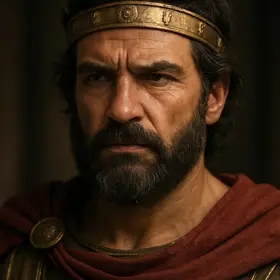 Agamemnon
 Apollo
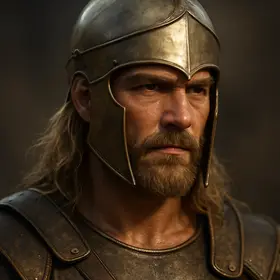 Menelaus
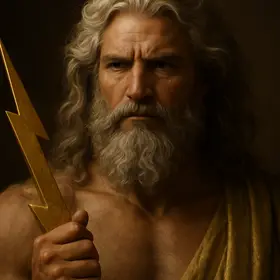 Zeus
Zeus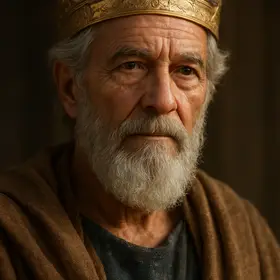 Nestor
 Patroclus
 Thetis
All chapter summaries ›Characters ›
Read The Iliad illustrated
Every scene in these notes comes from the Book2Life reader, where the full public-domain text is illustrated as you read, with character portraits and narration. Free in your browser and on iPhone.
