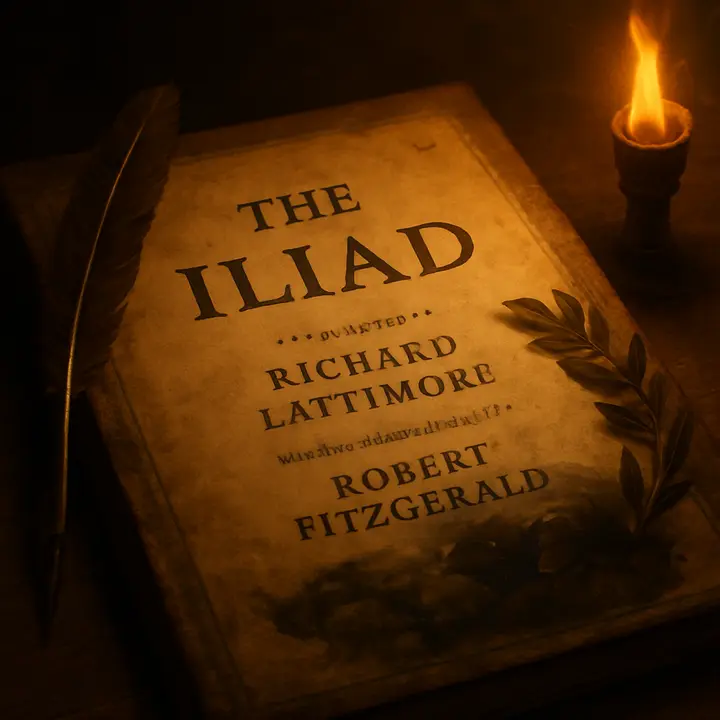
The Iliad
2004 · Epic poetry
Free to read in your browser. Public-domain edition from Project Gutenberg, illustrated as you read.
About This Book
The Iliad is an ancient Greek epic attributed to Homer that dramatizes a few weeks in the final year of the decade-long war between the Achaeans (Greeks) and the Trojans. It blends battlefield narrative with divine intervention, formal speeches, and extended catalogues of ships and warriors, presenting a world where human honor and anger shape fates as much as the gods do. The immediate premise follows a bitter quarrel: Agamemnon, leader of the Achaeans, seizes a prize from Achilles, the army’s greatest warrior, and Achilles withdraws from the fighting in fury. That dispute sets off a chain of events—deceptive dreams, single combats, shifting tides of battle, and frequent interventions by gods like Zeus, Athena, Apollo, and Aphrodite. Major human figures include Achilles and his close companion Patroclus; Agamemnon and his lieutenants such as Odysseus and Nestor; Hector, Troy’s noble defender; Paris, whose taking of Helen sparked the war; and Priam, Troy’s grieving king. The plot moves from skirmishes and duels to devastating losses and personal reckonings, without resolving the larger fate of Troy within the poem’s frame. The Iliad endures because it dramatizes universal tensions—honor and rage, duty and grief—through vivid characters and stark moral choices, while its poetic speeches and set-piece scenes continue to shape Western ideas of heroism and tragedy.
Characters in The Iliad
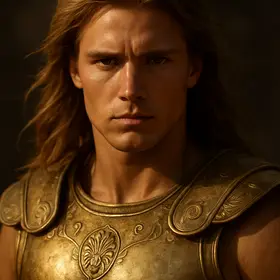 AchillesAchilles is the preeminent Greek hero of the Iliad, son of the mortal king Peleus and the sea-goddess Thetis, and leader of the Myrmidons. The poem centers on his wrath and its consequences for the Achaean war effort against Troy, exploring themes of honor, pride, friendship, and the cost of glory.
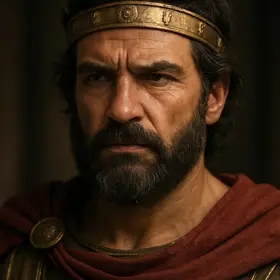 AgamemnonAgamemnon is the powerful king of Mycenae and overall commander of the Achaean forces at Troy. As Menelaus’s elder brother, he marshals Greece’s armies, manages alliances, and embodies royal authority and the burdens of leadership. His pride and decisions create friction within the Greek ranks—most notably with Achilles—driving key tensions that shape the epic’s exploration of honor, power, and the costs of war.
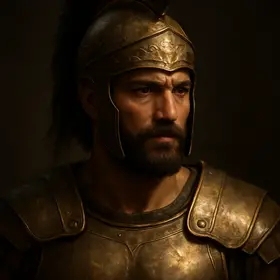 HectorEldest son of King Priam and chief defender of Troy, Hector is the Trojans’ foremost champion and a devoted husband and father. He embodies duty, courage, and human tenderness, serving as a moral counterpoint to several Greek heroes while carrying the weight of his city’s hopes throughout the war’s fiercest moments.
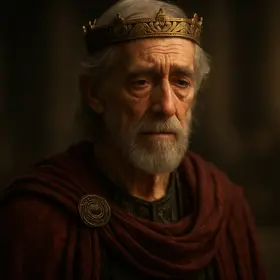 PriamPriam is the wise and compassionate king of Troy, a father to many princes and princesses, including key figures in the conflict. He serves as a moral and emotional anchor for his people, embodying piety, restraint, and the burdens of leadership amid war, and his presence highlights the human cost of the struggle.
 ParisParis (also called Alexandros) is a Trojan prince whose beauty and choices ignite the conflict that frames the epic. An accomplished archer more known for charm than battlefield ferocity, he contrasts with sterner heroes and embodies themes of desire, honor, and responsibility as his actions ripple through both the Trojan court and the Greek host.
 HelenHelen, daughter of Zeus and wife of Menelaus, is central to the conflict of the Iliad: her elopement with Paris brings the Greeks to Troy, making her both a symbol and catalyst of the war. Within the poem she appears in Troy, self-aware and eloquent, moving among Trojan royalty and reflecting on responsibility, loyalty, and the human cost of the struggle.
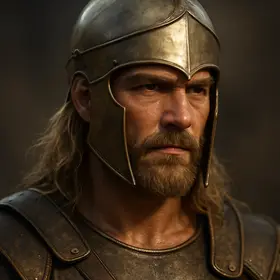 MenelausKing of Sparta and brother of Agamemnon, Menelaus is the husband of Helen, whose abduction sets the Trojan War in motion. In the Iliad he serves as a capable fighter and honorable leader among the Achaeans, embodying wounded pride and steadfast resolve; he is prominent in councils, on the battlefield, and in a pivotal duel that underscores personal honor and the stakes of the conflict.
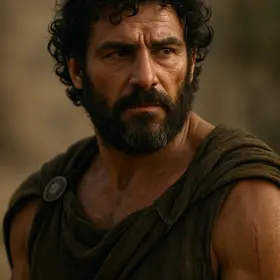 OdysseusOdysseus, king of Ithaca, serves among the Achaeans as their most resourceful strategist and silver-tongued counselor. In the Iliad he guides councils, undertakes delicate embassies, and leads daring missions, using calm intelligence and persuasive speech to steady wavering allies and turn the tide through craft as much as force.
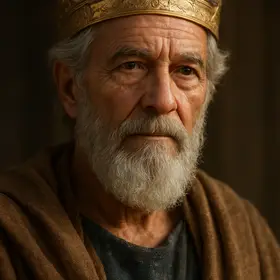 NestorNestor, king of Pylos, is the Achaeans’ seasoned counselor, a veteran of earlier generations whose wisdom, diplomacy, and long memory steady the Greek camp. He mediates disputes among leaders, urges prudence or boldness as needed, and inspires younger warriors by recalling past deeds, embodying tradition and cohesion within the army.
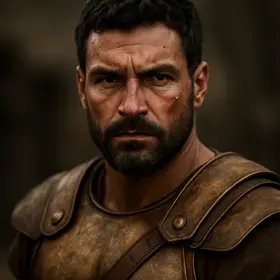 DiomedesA leading Achaean warrior and king of Argos, Diomedes is renowned for discipline, courage, and tactical sense. Guided by steadfast piety and sharp judgment, he often serves as a steady counterbalance to hotter tempers among the Greeks, earning respect from allies and fear from foes. His prowess on the battlefield and readiness to act make him one of the epic’s most reliable champions without overshadowing its central figures.
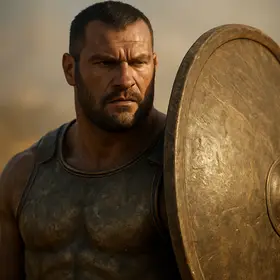 Ajax the GreaterAjax the Greater, son of Telamon, is one of the foremost Achaean champions in the Iliad, renowned for his overwhelming strength, steadfast courage, and skill in defensive combat. Serving as a bulwark for the Greeks, he excels in duels and in holding the line, embodying disciplined might and reliability rather than eloquence or cunning.
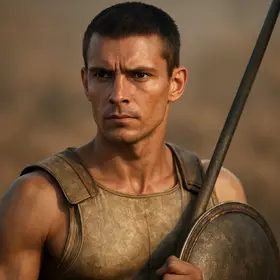 Ajax the LesserAjax the Lesser (Aias son of Oileus) leads the Locrian contingent in the Greek army, renowned for his quickness and skill with the spear. He operates as an agile fighter on the flanks, harrying Trojan lines, and frequently appears in scenes that highlight his speed and tactical nimbleness. Though not among the mightiest champions, his contributions underscore the diverse strengths needed in the Greek host.
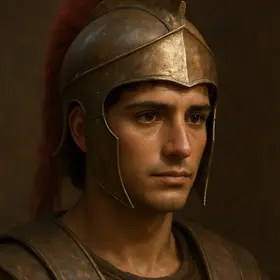 PatroclusPatroclus is Achilles’ closest companion and aide, a humane and level‑headed presence among the Achaeans whose loyalty helps steady the volatile hero. Compassionate toward comrades and captives alike, he serves as a moral counterpoint to battlefield pride, and his choices on the field become a pivotal catalyst that reshapes the course of the war’s narrative.
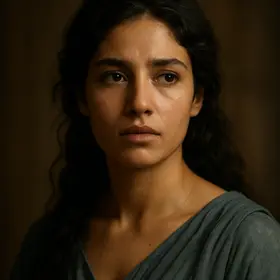 BriseisBriseis is a Trojan woman captured by the Achaeans and awarded to Achilles, whose claim to her becomes a flashpoint between him and Agamemnon. Her presence and fate catalyze one of the epic’s central conflicts, illuminating themes of honor, status, and the human cost of war while giving a rare, poignant glimpse of women’s experiences amid the siege of Troy.
 ThetisA Nereid and the divine mother of Achilles, Thetis serves as a crucial bridge between mortals and Olympians. She counsels and consoles her son, petitions the gods on his behalf, and helps steer the conflict’s tides through her influence and foresight, embodying both maternal devotion and the power of the sea.
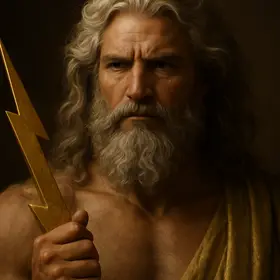 ZeusZeus is the king of the gods and the ultimate arbiter of divine will in the Iliad, overseeing the fates of Trojans and Achaeans while balancing promises, prophecies, and petitions from other deities. He rarely acts impulsively, instead enforcing an order above personal quarrels, and his decisions shape the scope and stakes of the human conflict without dictating every outcome.
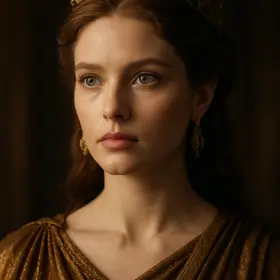 HeraHera, queen of the gods and wife of Zeus, is a powerful Olympian whose fierce loyalty to the Achaeans shapes the divine politics behind the war. She schemes, persuades, and occasionally deceives to influence both gods and mortals, driving key turns of fate while embodying divine authority and jealousy without overshadowing the human heroes at the poem’s center.
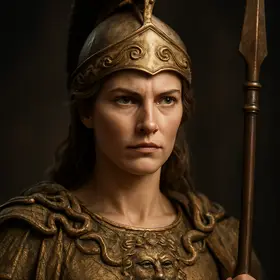 AthenaAthena is the Olympian goddess of wisdom and war-craft who champions strategy, justice, and clever counsel. In the Iliad she guides and emboldens favored mortals, restrains rash impulses, and shapes key turns of the conflict through divine interventions, embodying disciplined intellect over brute force.
 ApolloApollo, god of archery, plague, and prophecy, is a powerful divine presence who favors the Trojans and shapes the war’s course with swift, often decisive interventions. He punishes disrespect toward the gods, protects chosen mortals, and counters the Greeks’ advances, embodying the Iliad’s themes of pride, piety, and fate without being bound by human limits.
 AphroditeAphrodite is the goddess of love and desire whose partiality and interventions help steer the conflict’s human passions and alliances, especially on the Trojan side. Her presence illustrates how the whims of the gods shape mortal fates, as she protects favored figures and stirs emotions that complicate honor, bravery, and loyalty on both sides of the war.
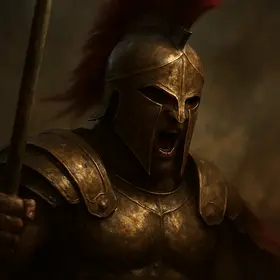 AresIn the Iliad, Ares is the Olympian god of war who personifies the raw, chaotic fury of battle. He intervenes on the battlefield to champion favored warriors and causes sudden shifts in momentum, but he is also constrained and countered by other gods, highlighting the capricious, factional nature of divine involvement in the Trojan War. His presence underscores the poem’s exploration of glory, rage, and the costs of warfare.
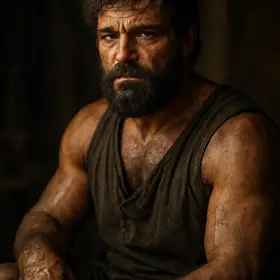 HephaestusThe Olympian god of fire and metalwork, Hephaestus serves as the divine craftsman in the Iliad, forging marvelous arms and tools for gods and mortals and occasionally intervening to restore order among quarrelsome deities. His artistry becomes strategically important to the Greek cause, as he creates extraordinary gear at a crucial moment without dominating the story’s battles himself.
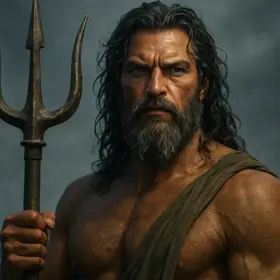 PoseidonPoseidon, the Earth‑shaker and lord of the sea, is a major Olympian who periodically intervenes in the Trojan War, often aiding the Achaeans. Motivated by old grievances against Troy and rivalry among the gods, he rallies warriors, turns the tide of battles, and asserts his power despite Zeus’s oversight, embodying the unpredictable force of the sea and earthquake.
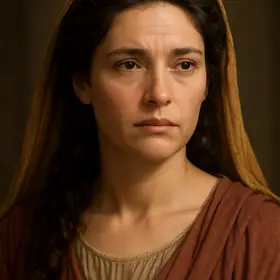 AndromacheWife of Hector and mother of their young son, Andromache embodies the domestic heart of Troy. Her scenes—especially her counsel to Hector and her laments—reveal the human cost of war, offering a tender counterpoint to the poem’s battlefield heroics and highlighting the stakes for families and city alike.
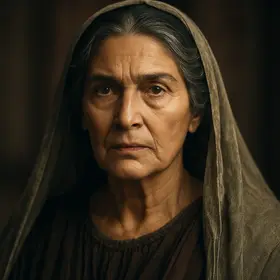 HecubaHecuba is the queen of Troy, wife of Priam and mother to many Trojan princes and princesses. Within the Iliad she serves as a voice of counsel, piety, and maternal concern, urging prudence, offering prayers to the gods, and embodying the human cost of the war. Her presence anchors the royal household, highlighting both the city’s hopes and the vulnerability of those left within its walls.
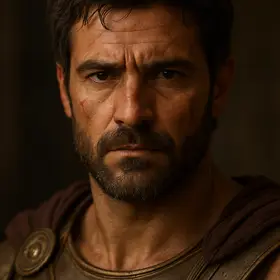 SarpedonSarpedon is the prince and commander of the Lycians fighting on the Trojan side and a son of Zeus, making him one of the poem’s most prominent foreign allies. He embodies the heroic code—valor, leadership, and the acceptance of risk—and his speeches and actions highlight the Iliad’s themes of honor, mortality, and the tension between fate and divine involvement, influencing both men on the battlefield and the gods who watch them.
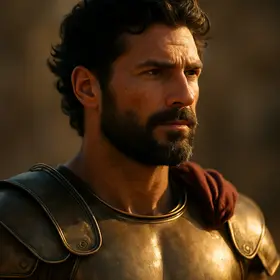 AeneasA leading Trojan prince and commander of the Dardanians, Aeneas is renowned for his courage, battlefield prowess, and deep sense of duty and reverence to the gods. He often stands as a counterweight to the Greek champions, aided or restrained by deities who take an interest in his fate. His role underscores themes of piety, endurance, and leadership among the Trojans, hinting at a destiny that extends beyond the immediate conflict without dominating the poem’s central action.
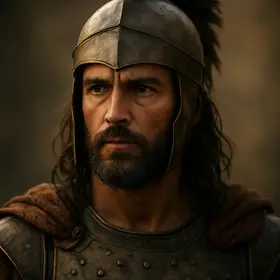 GlaucusA Lycian leader and ally of Troy, Glaucus is the grandson of the hero Bellerophon and a comrade of Sarpedon. He is best known for his encounter with the Greek warrior Diomedes, where their recognition of ancestral guest-friendship exemplifies the epic’s themes of honor and xenia. Glaucus rallies troops, exchanges counsel with prominent Trojans, and fights bravely, serving as a key representative of the Trojan-allied forces and the heroic code.
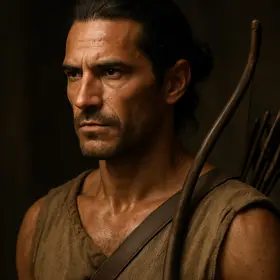 PandarusA renowned archer from Zelea and son of Lycaon, Pandarus serves on the Trojan side and is noted for his skill with the bow and his readiness to seize chances for glory. His actions early in the conflict have outsized consequences, illustrating how individual choices can sway the course of war without making him a central hero of the epic.
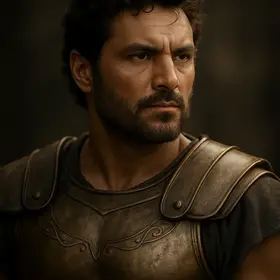 DeiphobusDeiphobus is a Trojan prince, son of Priam and Hecuba, and brother to Hector and Paris. A capable battlefield leader, he commands Trojan forces in several engagements and represents the city’s embattled nobility and family solidarity. His appearances help illuminate the royal household’s influence on the war effort and the pressures on Trojan defenders without dominating the central narrative.
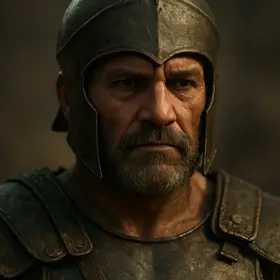 IdomeneusIdomeneus is the king of Crete and a respected Achaean commander, noted for his steadiness, tactical sense, and ferocity in close combat. He leads the Cretan contingent, fights prominently in key clashes, and serves as a reliable counterbalance to more impulsive leaders, embodying veteran competence and loyalty to the Greek cause.
 PhoenixPhoenix, son of Amyntor, is a veteran of the Myrmidons and the beloved mentor and foster-father of Achilles. Wise and compassionate, he serves as a counselor among the Achaeans and is chosen to help persuade Achilles during a crucial embassy, embodying themes of loyalty, generational bonds, and the persuasive power of storytelling.
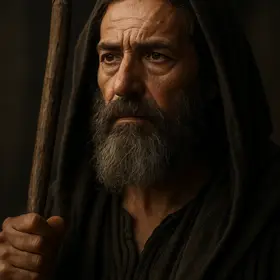 CalchasCalchas, son of Thestor, is the foremost seer among the Achaeans; he reads bird‑signs and omens to advise the Greek leaders and guide their strategy. His interpretations frame key decisions and tensions among the commanders, making him a crucial voice of divine insight in the early movements of the story without being a frontline combatant.
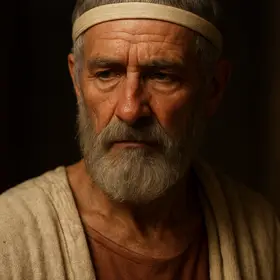 ChrysesChryses is a priest of Apollo from the town of Chryse and the father of Chryseis. When his plea to have his daughter returned is refused, he appeals to Apollo, setting in motion the tensions that shape the Greek camp and ignite a pivotal quarrel among its leaders. Though he appears briefly, his actions trigger key events and reveal the power of the gods in mortal affairs without focusing the story on himself.
 ChryseisChryseis is the daughter of Chryses, a priest of Apollo, taken as a war prize by the Achaeans and awarded to Agamemnon. Her plight draws the anger of Apollo and becomes the immediate cause of a crisis within the Greek camp, setting in motion a bitter dispute among the leaders and shaping key alliances and tensions that drive the story’s early events.
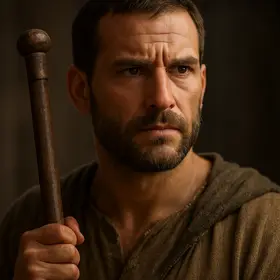 TalthybiusTalthybius is Agamemnon’s chief herald and messenger among the Achaeans, responsible for conveying commands, summoning leaders, and carrying out sensitive errands between camps and city. His appearances highlight the machinery of authority in wartime and the human stakes that accompany orders delivered on behalf of greater powers, offering a ground-level view of how decisions made by kings reach soldiers and civilians.
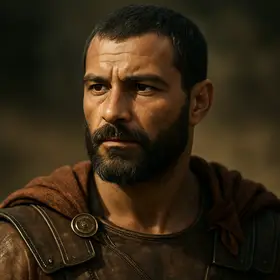 MachaonMachaon is the son of Asclepius and one of the Achaeans’ chief physicians, leading a contingent from Thessaly alongside his brother Podalirius. Renowned for surgical skill and knowledge of healing herbs, he treats wounded leaders and soldiers and is valued almost as highly as a great warrior. He also fights when needed, and his wellbeing has tactical importance because the army depends on his medical expertise.
 DolonDolon, a Trojan and son of the wealthy Eumedes, volunteers to act as a night scout against the Achaeans. His brief but memorable episode in Book 10 highlights the dangers of espionage, the value and risks of cunning, and the tense cat‑and‑mouse tactics that unfold beyond the formal clashes of the battlefield.
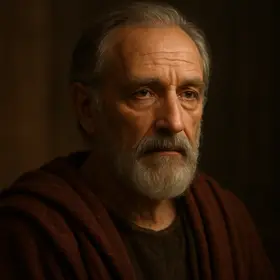 AntenorAntenor is a respected Trojan elder and advisor to King Priam, known for prudent, peace-minded counsel. He recalls hosting the Greek envoys before the war and often urges courses of action aimed at ending the conflict honorably, serving as a voice of moderation among the Trojans without driving battlefield action himself.
Study guide
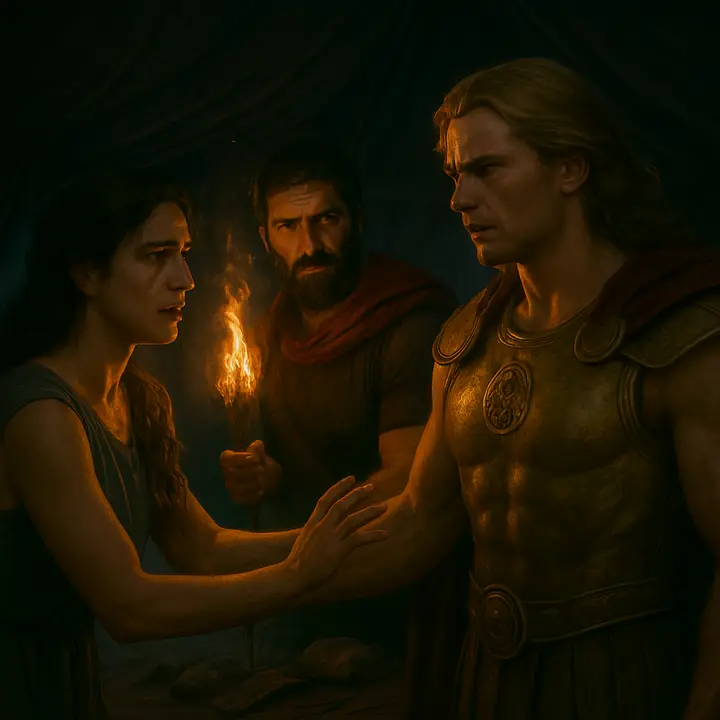
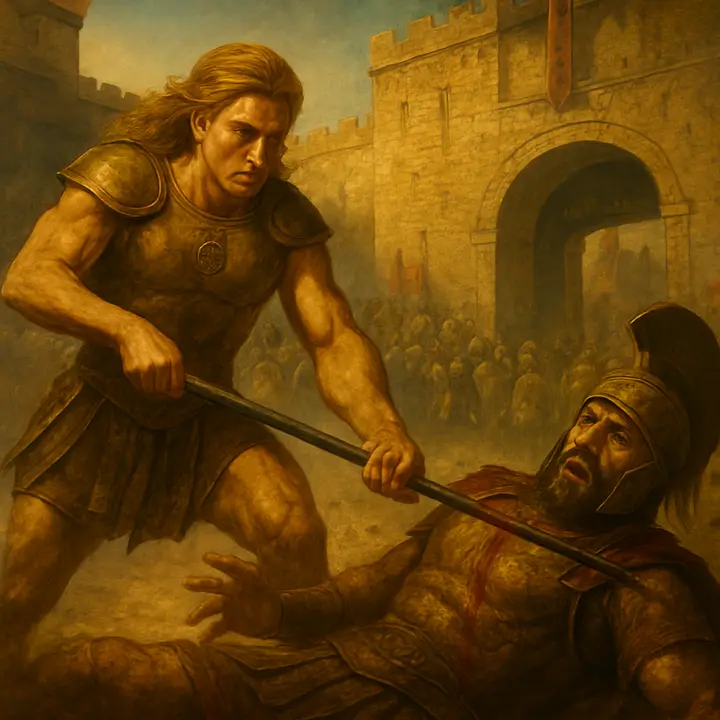
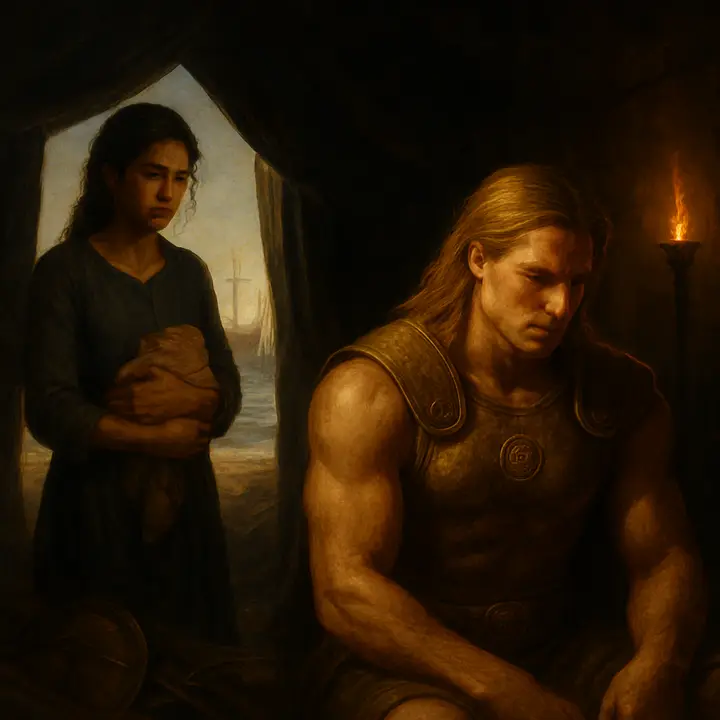
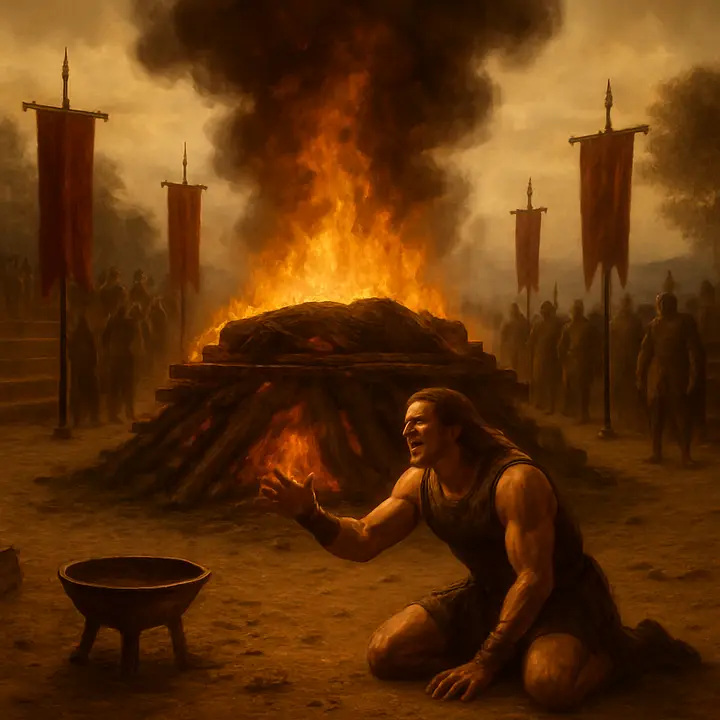
Summaries and analysis of all 24 chapters, and profiles of 51 characters, illustrated with scenes from the book.
Key Scenes & Storyboard
27 illustrated scenes. These appear beside the passage they depict as you read.

Themes
- honor and rage
- fate vs. will
- war and suffering
- divine intervention
- loyalty and loss
Why Read The Iliad?
Read The Iliad to encounter a foundational work of Western literature that shaped how later cultures imagine heroism, warfare, and mourning. Its concentrated focus on anger, loss, and the human cost of pride still speaks to readers who want an intense, character-driven account of conflict rather than a broad historical narrative.
Beyond its subject, the poem rewards careful reading: memorable speeches, psychological nuance—especially in Achilles, Hector, and Priam—and striking scenes such as funeral rites and single combat that remain powerful after millennia. For modern readers interested in ethics, leadership, or the origins of storytelling, the Iliad offers vivid portraits of how individuals face violence, grief, and reconciliation.
Experience The Iliad on Book2Life
Read with AI-generated visuals, character portraits, audio narration, smart summaries, and more — free in your browser and on iPhone.