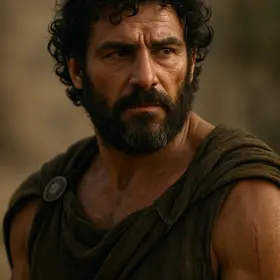
Odysseus in The Iliad
Major character
King of Ithaca; shrewd, persuasive Achaean captain and key strategist who balances speech and action.
Who is Odysseus?
Odysseus (called Ulysses in some sections) appears repeatedly as a steady, resourceful leader among the Achaeans. He fights on the plain, speaks plainly in councils, and undertakes risky missions that require guile rather than sheer force. In Book 4 he fights fiercely—striking down Democoon—showing his combat skill amid a chaotic clash. In Book 10 he volunteers as Diomedes’ chosen companion for a covert night reconnaissance, lying in wait with Diomedes, capturing the spy Dolon, extracting vital intelligence, and then raiding the Thracian camp to seize Rhesus’ horses. In Book 11 he fights effectively but is wounded and rescued, demonstrating his presence at the fleet’s critical moments. In Book 14 he rebukes suggestions to drag the ships to sea, shaming the Achaeans into steadiness when the wall has fallen. Finally, in Book 23 he competes in Achilles’ funeral games, taking part in ritualized contest and solidarity after Patroclus’ death. Across these episodes he uses speech, cunning, and measured violence to steady allies and to accomplish objectives that blunt frontal assaults alone cannot achieve.
In the book: Odysseus, king of Ithaca, serves among the Achaeans as their most resourceful strategist and silver-tongued counselor. In the Iliad he guides councils, undertakes delicate embassies, and leads daring missions, using calm intelligence and persuasive speech to steady wavering allies and turn the tide through craft as much as force.
Personality
- resourceful
- In Book 10 he adapts to night reconnaissance, captures Dolon, and uses the spy’s information to ambush Rhesus and seize the horses.
- persuasive
- In Book 14 he verbally rebukes proposals to pull the ships into the sea, shaming fellow leaders and urging steadiness.
- calm under pressure
- During the fierce fighting in Book 11 he fights on, even after being wounded and needing rescue, remaining active at the ships.
- cunning
- In Book 10 he hides among corpses with Diomedes to ambush Dolon and then uses deception and stealth to raid the Thracian camp.
- competent warrior
- In Book 4 he kills the Trojan Democoon during the renewed clash after the truce is broken.
Character arc
Odysseus’ role across the recorded books is consistent: he is a disciplined, pragmatic leader who prefers strategy and stealth when direct force is costly. He first appears as an active warrior in large-scale clashes (Book 4), demonstrating personal valor. The night-raiding mission in Book 10 showcases his aptitude for covert operations and interrogation, using intellect to secure strategic gains. In Book 11 he endures wound and retreat, revealing that even the cleverest leaders share the battlefield’s dangers and rely on comrades. By Book 14 he functions as a voice of reason in council, using reproach rather than force to influence morale and decisions when the Achaeans face collapse. Finally, in Book 23 his participation in the funeral games shows his integration into the communal rituals that bind the Greek commanders. He does not undergo a dramatic moral conversion or renunciation; instead, his arc is one of steady enactment of a consistent role: an adaptable counselor-warrior whose tactics and speech repeatedly stabilize the Achaeans in crisis.
Relationships
- Diomedes Close comrade and raid-partner; Odysseus is chosen by Diomedes as his companion for the night reconnaissance in Book 10.
- Agamemnon Fellow leader and coordinating commander; Odysseus acts under Agamemnon’s general leadership and joins councils and battles.
- Nestor Senior counselor whose calls to action Odysseus responds to; they interact in councils and rallying scenes near the ships.
- Menelaus Fellow Achaean prince and battlefield comrade who participates with Odysseus in the defensive efforts around the ships.
- Achilles Fellow Achaean champion who occupies the central grievance driving the war; Odysseus helps sustain the army while Achilles withdraws.
- Ajax the Greater Comrade in arms at the ships; both stand among the principal defenders during Trojan assaults.
Quotes by Odysseus
“These horses, however, about which you ask me, are freshly come from Thrace. Diomed killed their king with the twelve bravest of his companions.”
Book 10On return to the ships Odysseus reports how they obtained the extraordinary white horses and the death of Rhesus.
“I despise your judgement utterly for what you have been saying.”
Book 14Odysseus sharply rebukes Agamemnon for proposing to draw the ships off and flee, refusing cowardly counsel.
Why Odysseus matters
Odysseus embodies the Iliad’s emphasis on intelligence, rhetoric, and pragmatic leadership as complements to heroic violence. His raids and speeches show that victory depends not only on brute strength but on cunning, planning, and persuasive authority. By stabilizing councils, executing delicate missions, and fighting when needed, he highlights themes of communal solidarity, the limits of single-hero glory, and the moral complexity of wartime decisions—where deceit, stealth, and counsel are as decisive as valor on the plain.
Chapters with Odysseus
More The Iliad characters
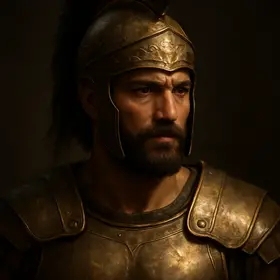 Hector
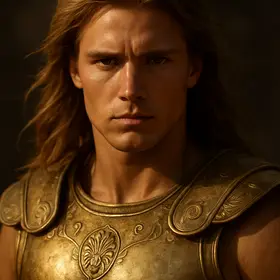 Achilles
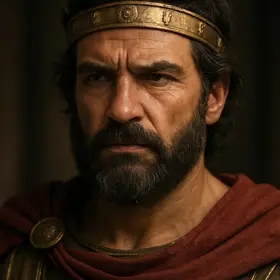 Agamemnon
 Apollo
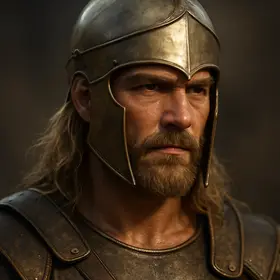 Menelaus
 Zeus
Zeus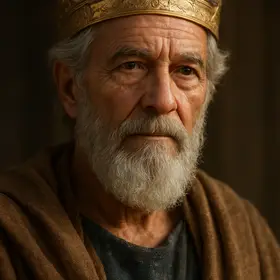 Nestor
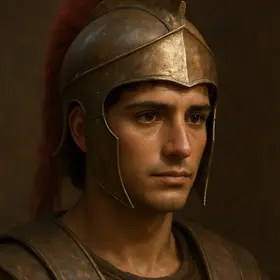 Patroclus
All chapter summaries ›Characters ›
Read The Iliad illustrated
Every scene in these notes comes from the Book2Life reader, where the full public-domain text is illustrated as you read, with character portraits and narration. Free in your browser and on iPhone.
