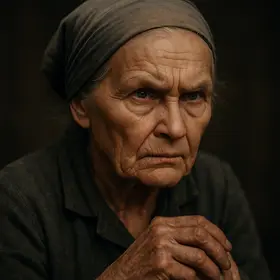
Grandmother Majauszkiene in The Jungle
Minor character
An experienced immigrant neighbor in Packingtown who bluntly explains housing tricks and helps the Rudkus family face hard realities.
Who is Grandmother Majauszkiene?
Grandmother Majauszkiene is a seasoned neighbor the Rudkus family meets after their arrival in Packingtown. She speaks plainly and with a tart humor born of long experience in the stockyards neighborhood. Early on she recounts the sordid history of the row house the family has bought, explaining the hidden clauses and the seven-percent monthly interest that ruin the Rudkuses’ wedding plans and force the household to send everyone to work. Later, when Jurgis returns from the Bridewell to find his family turned out, she is a point of contact in the street and a witness to the emergency; Jurgis first runs to her as he reels from the loss of his home. Throughout her appearances she functions as a pragmatic interpreter of the neighborhood’s scams and a member of the informal network of women who share knowledge, small resources, and aid in crises. She neither offers pity nor false hope: her role is to disclose the way the system operates and to help the newcomers adjust to the harsher economic reality.
In the book: She’s the seasoned neighbor the family meets in Packingtown, an old immigrant who’s seen every trick the stockyards and landlords can play. Plainspoken and a bit tart, she spells out how the payments and housing schemes really work. She matters because she gives the newcomers their first unvarnished look at the neighborhood’s hard truths.
Personality
- Plainspoken
- In Chapter 6 she bluntly explains the deed’s seven-percent monthly interest and how builder-sellers swindle poor buyers.
- Seasoned
- She relates the grim history of the row house, describing successive families and the neighborhood’s recurring hardships.
- Pragmatic
- When the family’s wedding plans collapse, her information prompts immediate, practical decisions such as putting Ona and Stanislovas to work.
- Observant
- Jurgis runs to her in Chapter 18 upon learning he has lost his house, showing she is someone neighbors turn to for news and explanation.
Character arc
Grandmother Majauszkiene appears consistently as a fixed, knowledgeable figure rather than a character who undergoes a personal transformation. In her first substantive appearance she functions as an interpreter of local fraud, telling the Rudkuses the hard facts about their deed and the neighborhood’s history; her information precipitates the family’s swift shift from hopeful planning to harsh, collective labor. She remains present at moments of crisis: when Jurgis returns from the Bridewell and finds strangers in his home, he instinctively goes to her, indicating her role as a steady community anchor. She does not change her outlook or soften into optimism—her realism stays constant—but her presence helps shape the Rudkuses’ course by supplying knowledge and context that forces practical responses. In short, her arc is not personal transformation but persistent realism: she arrives already world-weary and leaves the same, a stable conduit of neighborhood memory and hard-won counsel whose consistency influences others’ choices.
Relationships
- Jurgis Rudkus A neighbor and early point of contact whom Jurgis runs to when he returns and finds his family turned out.
- Ona Lukoszaite A member of the Rudkus household she informs about the house’s history and whose wedding plans are disrupted by Grandmother’s revelations.
- Teta Elzbieta A fellow boarder and relative by household ties who shares the burden of the ruined wedding plans and the neighborhood’s hardships.
- Aniele Jukniene Part of the same network of women in the neighborhood who gather, share news, and pool small resources in emergencies.
- Marija Berczynskas Another neighbor in the Packingtown community whose life and misfortunes are part of the same social landscape Grandmother knows well.
Quotes by Grandmother Majauszkiene
“"You are like all the rest," she said; "they trick you and eat you alive."”
Chapter 6The old woman's bitter summation of how builders and packers exploit immigrant families, signalling the novel's critique of systemic deception.
Why Grandmother Majauszkiene matters
Grandmother Majauszkiene embodies the collective memory and hard-earned realism of immigrant Packingtown residents. By explaining the housing swindles and the row house’s history she exposes structural exploitation in concrete terms, turning abstract injustice into understandable cause-and-effect for the newcomers. Her pragmatic voice also models a form of neighborhood solidarity: sharing knowledge, warning others, and participating in small-scale mutual aid. Thematically, she helps Sinclair dramatize how systemic corruption and predatory markets shape individual destinies, and she underscores the need for communal awareness and resistance even as she offers no easy comfort.
Chapters with Grandmother Majauszkiene
More The Jungle characters
 Jurgis RudkusProtagonist
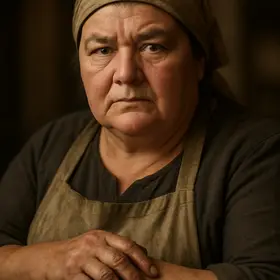 Teta ElzbietaMajor character
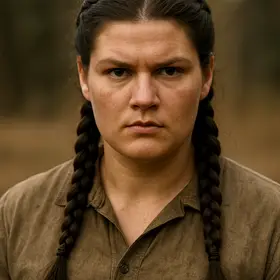 Marija BerczynskasMajor character
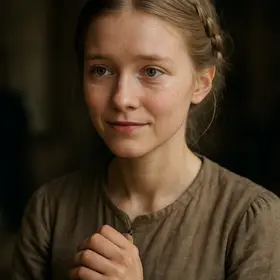 Ona LukoszaiteMajor character
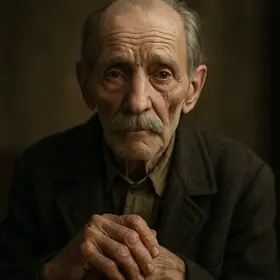 Antanas RudkusMinor character
 JonasMajor character
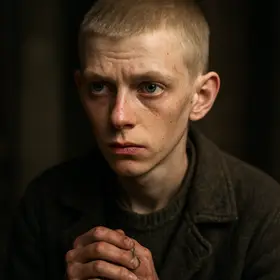 StanislovasMinor character
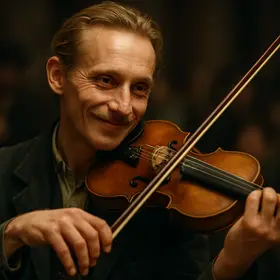 Tamoszius KuszleikaMinor character
All chapter summaries ›Characters ›
Read The Jungle illustrated
Every scene in these notes comes from the Book2Life reader, where the full public-domain text is illustrated as you read, with character portraits and narration. Free in your browser and on iPhone.
