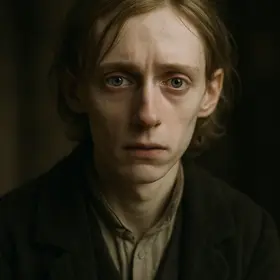
Linton Heathcliff in Wuthering Heights
Major character
the frail, peevish son of Heathcliff and Isabella, used as his father's pawn and dependent on others' care
Who is Linton Heathcliff?
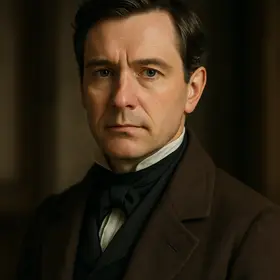
Linton Heathcliff is a sickly, pampered child raised largely away from the moors after Isabella's flight and later delivered to his father at Wuthering Heights. He wants comfort, safety, and the ease of being petted rather than responsibility; lacking physical robustness and moral courage, he rarely acts independently. In the narrative he functions as a fragile object around which Heathcliff engineers control: his arrival unsettles the Grange, provokes secret visits from his cousin Catherine, and finally provides Heathcliff with a legal and emotional lever to keep Cathy at Wuthering Heights. Linton alternates between whining petulance and manipulative obedience, pleading for sympathy while parroting his father’s commands. He elicits pity from Cathy and Nelly but ultimately becomes a tool in Heathcliff’s scheme to secure influence over the Linton inheritance and to deepen the feud’s destructive legacy.
In the book: Linton Heathcliff is the delicate son of Heathcliff and Isabella Linton, raised away from the moors and later brought to Wuthering Heights. Pampered yet peevish, he lacks strength of body and will, and becomes a tool in his father’s long-brewing designs. His interactions with the younger Catherine reveal both his dependency and the corrosive effects of the feud between the Earnshaw and Linton-Heathcliff families, underscoring themes of inheritance, environment, and coercion without driving the plot’s major turns into explicit detail.
Personality
- physically frail
- On arrival at Thrushcross Grange he is described as sleepy, pale and sickly after the journey (Chapter 19).
- peevish
- At Wuthering Heights he vacillates between petulant insults and manipulative whining while seated on the settle (Chapter 23).
- dependent
- He clings to Nelly and begs Catherine to stay with him on the moor, terrified of his father's anger (Chapter 26–27).
- compliant pawn
- He parrots Heathcliff’s commands about keeping Catherine and refuses to tell Nelly her whereabouts, carrying out his father’s will (Chapter 28).
- timid
- When found on the heath he rises weakly and walks listlessly, seeming more like an apathetic invalid than the spirited cousin Cathy remembers (Chapter 26).
Character arc
Linton first appears as a fragile, recently arrived child whom Edgar and Cathy hope will thrive with proper care; his weakness and timidity define his opening presence. Soon Joseph demands his return and Heathcliff reclaims him, whereupon Linton becomes increasingly identified with his father’s designs rather than developing autonomy. He shifts from a pitied, sleepy boy at the Grange to an infantilized, peevish invalid at the Heights who alternates between clinging dependence and servile repetition of Heathcliff’s will. Linton briefly evokes sentimental affection from Cathy, who tends and visits him, but he never grows strong enough to resist being manipulated; instead he learns to mouth Heathcliff’s threats and withhold information, helping to imprison Cathy and delay her return. His death (not described in detail in these notes) and the legal provisions Heathcliff uses through him cement Linton’s role as the instrument by which Heathcliff claims Catherine and the Grange’s possessions. Throughout, Linton refuses or cannot become an independent agent, remaining a debilitated casualty of the older generation’s feud.
Relationships
- Heathcliff father who reclaims, manipulates, and uses him as a legal and emotional tool in the plot against the Lintons.
- Isabella Linton mother whose death—or absence—leaves him vulnerable and detached from both parents’ households.
- Catherine Linton cousin and object of mutual childhood affection; her pity and secret visits make her vulnerable to Heathcliff’s schemes.
- Edgar Linton uncle and temporary guardian who hopes the child will strengthen and later must yield him back to his father.
- Nelly Dean caretaker and moral observer who tends him, reads his letters, and witnesses his transformation under Heathcliff’s control.
- Hareton Earnshaw fellow household youth whose rough manners and presence at Wuthering Heights highlight Linton’s fragility and social difference.
Quotes by Linton Heathcliff
““My father!” he cried, in strange perplexity. “Mamma never told me I had a father. Where does he live? I’d rather stay with uncle.””
Chapter 20Linton expresses confusion and reluctance when Nelly tells him he is to visit his father, revealing his ignorance of Heathcliff and attachment to Edgar.
““Don’t leave me! I’ll not stay here! I’ll not stay here!””
Chapter 20The boy’s frightened protest as Nelly departs emphasizes his vulnerability and the coercive separation about to be enforced.
“I am worthless, and bad in temper, and bad in spirit, almost always; and, if you choose, you may say good-bye: you’ll get rid of an annoyance.”
Chapter 24Linton confesses his self-loathing and misery to Catherine during a reconciliatory, tearful visit, asking her to believe his regret.
“Do, now and then, ride with her towards the Heights; and let us exchange a few words, in your presence!”
Chapter 25Linton’s plea for supervised encounters indicates his desire for connection and highlights the restrictions placed on him by his father.
“Don’t provoke him against me, Catherine, for he is very hard.”
Chapter 26Linton's fearful plea that reveals his anxiety about his father's temperament and hints at oppressive family dynamics.
“Papa wants us to be married,”
Chapter 27Linton reveals the purpose of Catherine’s summons: Heathcliff’s plan to marry them off quickly because Edgar might die first.
Why Linton Heathcliff matters
Linton embodies how environment and inheritance shape character: fragile by constitution and upbringing, he becomes a conduit for Heathcliff’s vengeance rather than an independent heir. His dependence and malleability illustrate themes of coercion, the corrupting reach of familial grudges, and the ways property and marriage are weaponized. Though not a driving force of action by his own volition, Linton’s presence accelerates the tragic fusion of private pain and social manipulation that defines the novel’s exploration of legacy and the damage passed between generations.
Chapters with Linton Heathcliff
More Wuthering Heights characters
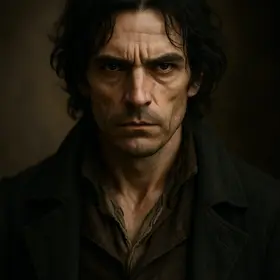 HeathcliffProtagonist
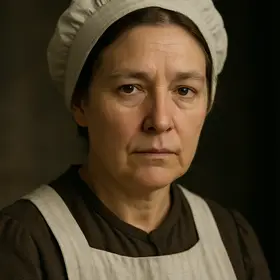 Nelly DeanNarrator
 Catherine LintonMajor character
 JosephMinor character
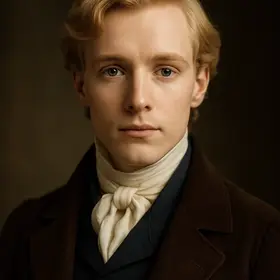 Edgar LintonMajor character
 Hareton EarnshawMajor character
 Mr. LockwoodNarrator
 Hindley EarnshawMajor character
All chapter summaries ›Characters ›
Read Wuthering Heights illustrated
Every scene in these notes comes from the Book2Life reader, where the full public-domain text is illustrated as you read, with character portraits and narration. Free in your browser and on iPhone.
