Wuthering Heights
1847 · Gothic novel
Free to read in your browser. Public-domain edition from Project Gutenberg, illustrated as you read.
About This Book
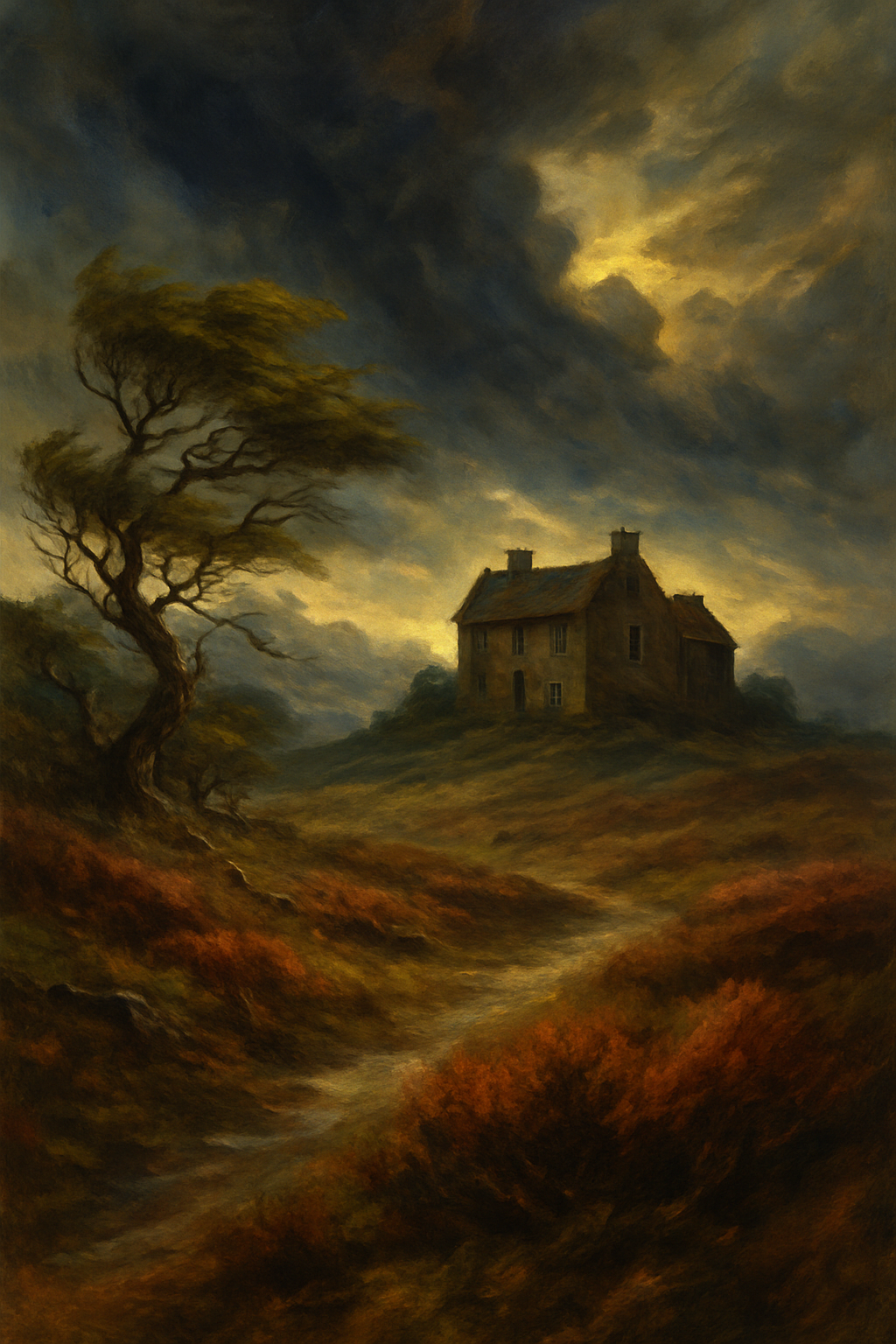
Wuthering Heights is Emily Brontë’s lone novel, a compact, intense story of passion, revenge, and the cross-generational consequences of love and cruelty set on the bleak Yorkshire moors. Told mainly through the written recollections of housekeeper Nelly Dean to a visiting tenant, it frames a raw domestic saga in layers of narration that reveal characters by memory and rumor as much as by direct action. The plot follows the Earnshaw household after Mr. Earnshaw brings home an abandoned boy named Heathcliff, whose arrival reshapes relationships at Wuthering Heights and its neighbour Thrushcross Grange. Catherine Earnshaw, wild and headstrong, forms a central, consuming bond with Heathcliff that complicates her later marriage to Edgar Linton. Hindley Earnshaw’s descent into vice, the mistreatment of Heathcliff, and Heathcliff’s return as a vindictive adult drive escalating conflict. Other key figures include Isabella Linton, who marries into the turmoil, their son Linton, and Hareton, a neglected heir whose fate is entwined with the others. The narrative moves between hostility at Wuthering Heights, gentler life at the Grange, and the moors that separate and connect them. Brontë’s novel endures because it refuses tidy moralising: characters are contradictory, motives are tangled, and passion has both creative and destructive force. Its compressed intensity, moral ambiguity, and powerful sense of place keep readers unsettled and engaged across generations.
Characters in Wuthering Heights
 HeathcliffAn orphan of mysterious origins taken into the Earnshaw family, Heathcliff grows up as an outsider whose fierce attachment to Catherine Earnshaw shapes his identity. His pride, passion, and sense of grievance drive much of the novel’s conflict, influencing both households on the moors and echoing across generations. As a figure of both romance and menace, he embodies the wild, untamed power of the setting and the novel’s exploration of love, class, and obsession.
 Catherine EarnshawCatherine Earnshaw is the headstrong daughter of the Earnshaw family and Heathcliff’s inseparable childhood companion; her fierce temperament and social ambitions collide with her deep, unruly affections. As the emotional center of the early narrative, her choices shape the bonds, rivalries, and generational turmoil that drive the novel’s gothic intensity—setting the tone for all that follows without detailing specific plot turns.
 Edgar LintonHeir to Thrushcross Grange, Edgar Linton embodies gentility, wealth, and social order, serving as a refined foil to Heathcliff’s stormy passion. His calm manners and privileged upbringing highlight the novel’s tensions between civility and wildness, and his relationships help set the emotional and social conflicts that drive the story.
 Nelly DeanNelly Dean (Ellen) is the long‑serving housekeeper to the Earnshaw and Linton families and the principal storyteller, recounting the history of Wuthering Heights and Thrushcross Grange to Mr. Lockwood. Acting as caregiver, confidante, and moral commentator, her choices and perceptions shape how events and characters are understood, making her a central lens through which the novel unfolds.
 Isabella LintonIsabella Linton is the cosseted younger sister of Edgar Linton, raised amid comfort at Thrushcross Grange. Naive and romantic, she becomes enamored of the dark charisma surrounding the Earnshaw household, and her choices draw the Linton and Earnshaw worlds into closer—and more destructive—contact. Through her, the novel probes themes of innocence, social class, and the peril of mistaking intensity for love, while her arc highlights the costs of revenge and the vulnerability of the sheltered.
 Hindley EarnshawHindley Earnshaw is Catherine Earnshaw’s elder brother and the heir to Wuthering Heights; his jealousy, pride, and decline set key conflicts in motion and heavily shape the harsh environment in which Heathcliff and the younger generation struggle, making him a pivotal catalyst for the novel’s cycle of resentment and retribution.
 Hareton EarnshawHareton Earnshaw is the neglected heir of Wuthering Heights, raised in hardship and ignorance by those who wish to keep him low. Despite rough manners and little schooling, he is fundamentally loyal and warm-hearted, becoming a quiet counterpoint to the novel’s fiercer tempers and a symbol of how affection and perseverance can soften a brutal legacy without detailing the later plot turns.
 Catherine LintonCatherine “Cathy” Linton is the daughter of Catherine Earnshaw and Edgar Linton, raised at Thrushcross Grange with a mixture of spirited curiosity and cultivated gentleness. As the story’s second-generation heroine, she becomes the focal point of family tensions between the Earnshaws, Lintons, and Heathcliffs, and her choices and relationships knit together the novel’s themes of love, revenge, class, and inheritance without the wild extremity of the first generation.
 Linton HeathcliffLinton Heathcliff is the delicate son of Heathcliff and Isabella Linton, raised away from the moors and later brought to Wuthering Heights. Pampered yet peevish, he lacks strength of body and will, and becomes a tool in his father’s long-brewing designs. His interactions with the younger Catherine reveal both his dependency and the corrosive effects of the feud between the Earnshaw and Linton-Heathcliff families, underscoring themes of inheritance, environment, and coercion without driving the plot’s major turns into explicit detail.
 JosephJoseph is the long-serving manservant at Wuthering Heights, a fiercely pious, cantankerous presence whose thick Yorkshire dialect and rigid moralizing color the household’s daily life. He provides dark comic relief and a constant note of judgment, embodying the novel’s atmosphere of harshness and superstition while showing unwavering loyalty to the Heights and its masters.
 Mr. LockwoodMr. Lockwood is the frame narrator who rents Thrushcross Grange and, through his curious visits to Wuthering Heights, prompts the housekeeper Nelly Dean to recount the tangled history of the Earnshaw and Linton families. As an outsider and often unwitting observer, his polished manners and limited insight create a filter between readers and events, setting the tone and structure of the story while highlighting themes of isolation, class, and perception—without being central to the core family drama.
 ZillahZillah is a servant at Wuthering Heights who works under Heathcliff and briefly attends to Mr. Lockwood during his stay. As a minor but observant household figure, she helps move the plot along by relaying everyday happenings within the house and offering a pragmatic, ground-level perspective on its tense dynamics, without driving the central conflicts herself.
 Mr. EarnshawThe patriarch of Wuthering Heights and father to Hindley and Catherine, Mr. Earnshaw brings the orphan Heathcliff into his household, unintentionally upsetting the family balance. His partiality toward the boy sows seeds of rivalry and resentment that drive much of the novel’s ensuing conflict.
Study guide
Summaries and analysis of all 34 chapters, and profiles of 14 characters, illustrated with scenes from the book.
Themes
- Obsessive love
- Revenge
- Social class
- Isolation
- Nature vs. culture
Why Read Wuthering Heights?
Read Wuthering Heights for its concentrated emotional force and its unflinching look at how attachment can shape—and warp—lives. The book’s framing device and unreliable narrators invite you to piece events together yourself, rewarding attentive reading with subtle shifts in perspective and sympathy.
Beyond period detail, Brontë’s novel speaks to contemporary readers through its study of power, trauma, and the legacies people inherit and hand on. If you appreciate literature that challenges simple heroes and villains, that makes setting matter as much as psychology, and that lingers after you close the cover, this terse, fierce classic remains compelling and strange in a way few novels are.
Experience Wuthering Heights on Book2Life
Read with AI-generated visuals, character portraits, audio narration, smart summaries, and more — free in your browser and on iPhone.