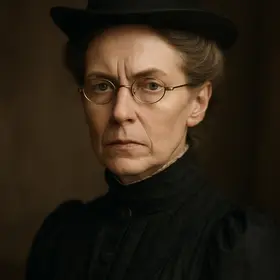
Charlotte Bartlett in A Room with a View
Major character
Lucy Honeychurch’s anxious, respectable older cousin and chaperone who guards propriety while complicating Lucy’s freedom.
Who is Charlotte Bartlett?
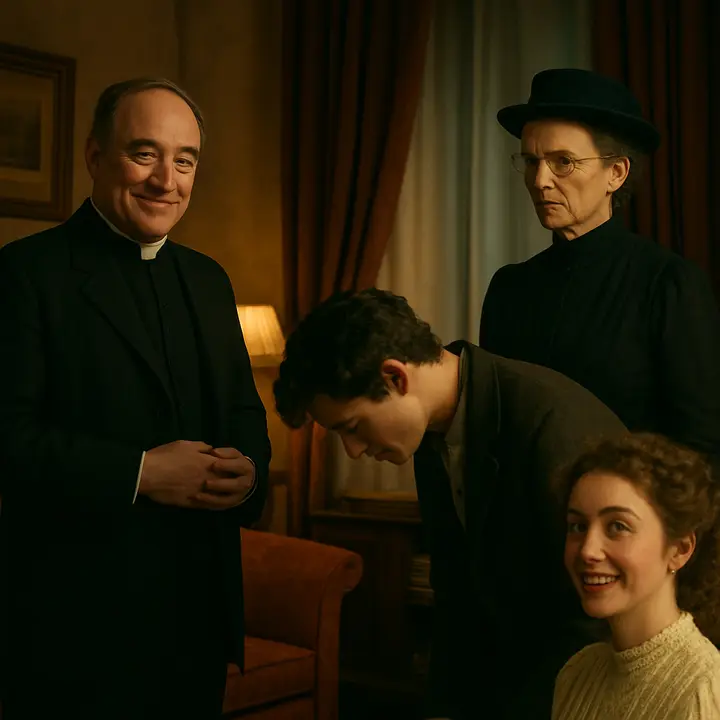
Charlotte Bartlett arrives in Florence as Lucy’s guardian, anxious about appearances and the duties of a chaperone. She insists on correct behaviour, intervenes in the room dispute at the Pension Bertolini, and chooses to occupy the larger front room to spare Lucy obligation. Throughout the Italy episodes she fusses, criticises the Emersons’ bluntness, and struggles to understand Lucy’s shifting feelings. Back at Windy Corner she makes a mistaken late arrival that causes comic confusion, presses Lucy about whether she has confessed the Florence episode, and frets over gossip and social consequences. When Lucy’s engagement to Cecil collapses, Charlotte feels ashamed of earlier failures but ultimately supports Lucy’s plan to travel: she helps secure Mr. Beebe’s and Mrs. Honeychurch’s permission for Lucy to leave with the Miss Alans. Charlotte’s actions are both constraining (by policing propriety) and enabling (by deciding to back Lucy’s escape), and she embodies the uneasy, watchful guardianship that shapes much of Lucy’s social navigation.
In the book: Charlotte Bartlett is Lucy Honeychurch’s older cousin and chaperone, the watchful guardian of propriety during their travels in Italy and afterward in England. Anxious about respectability and social codes, she both constrains and, at times unintentionally, propels Lucy’s growth, embodying the tension between convention and individual desire without the story relying on overt revelations.
Personality
- anxious
- She frets openly about the north-facing rooms at the Pension Bertolini and later worries about gossip and social consequences after the Florence incidents.
- respectable
- She insists on propriety by refusing the Emersons’ initial offer and by pressuring Lucy to keep silence to protect the family’s reputation.
- overprotective
- She chooses to take the larger room herself so that Lucy will not feel obliged to the Emersons and later presses Lucy to consider swift travel to avoid scandal.
- guilty/self-reproaching
- After the tram accident scare and related incidents she laments her failures as a chaperon and confesses anxiety about disappointing Mrs. Honeychurch.
- practical/decisive
- Despite misgivings, she persuades Mr. Beebe to help secure Mrs. Honeychurch’s consent for Lucy to travel with the Miss Alans.
Character arc
Charlotte appears first as an anxious, prim chaperone whose immediate concern is propriety and the protection of Lucy’s reputation. In Florence she polices social boundaries—rejecting the Emersons’ blunt manners, insisting Lucy accept kindness only on proper terms, and occupying the front room herself to avoid indebtedness. Her caution leads to awkwardness and occasional missteps: she is affronted by the Emersons, ashamed of her imperfect guardianship after the tram scare, and arrives late at Windy Corner producing comic disorder that sharpens her anxieties. Yet as events unfold—Cecil’s courtship, Lucy’s hidden disturbance, and ultimately the broken engagement—Charlotte shifts from merely policing respectability to taking more constructive action. Confronted with Lucy’s distress, she supports removing Lucy from the scene rather than forcing an immediate social confrontation. By Miss Bartlett’s joining Mr. Beebe and persuading Mrs. Honeychurch to allow Lucy’s travel, she becomes an enabler of Lucy’s escape from constrained expectations. She does not undergo a radical transformation into a free spirit, but she moves from anxious enforcement of rules toward a practical compassion that recognizes Lucy’s need for autonomy.
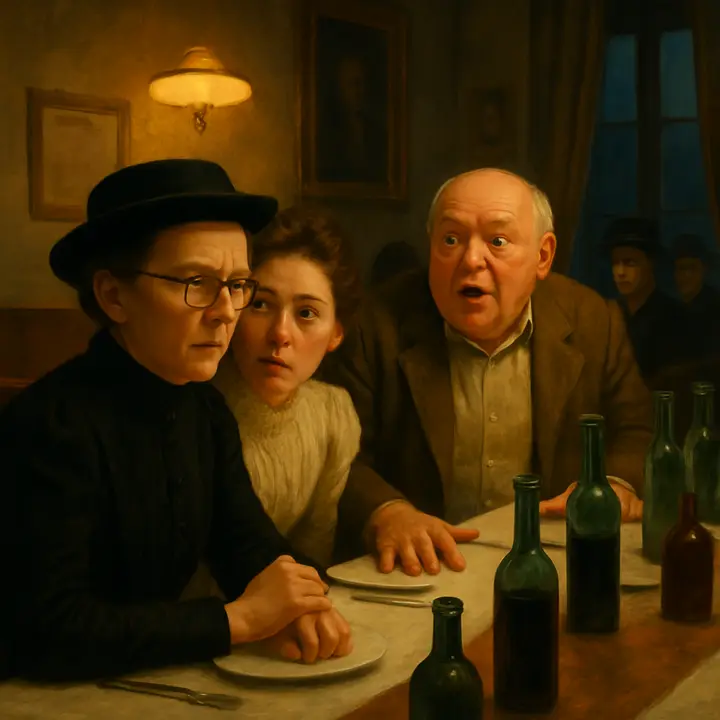
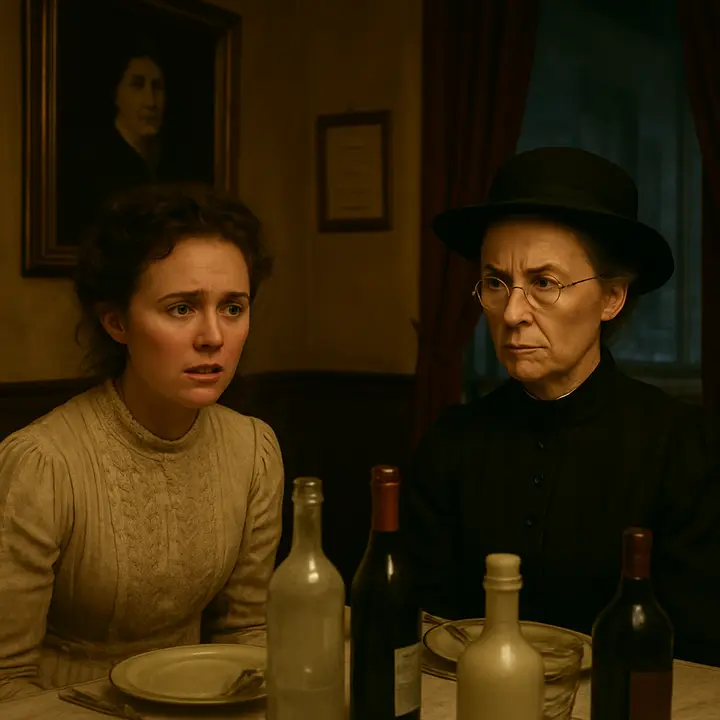
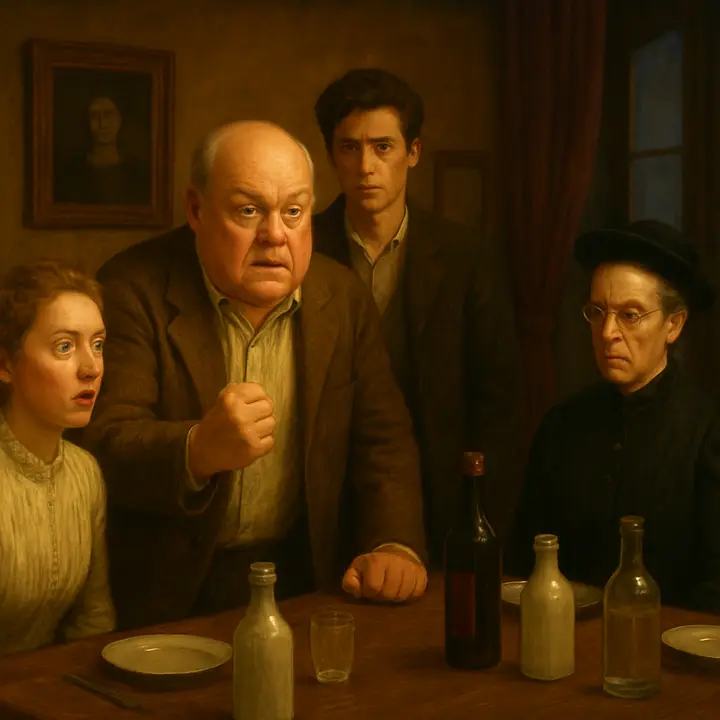
Charlotte Bartlett in pictures


Relationships
- Lucy Honeychurch Her younger cousin and charge; Charlotte acts as Lucy’s chaperone, oscillating between protection, constraint, and reluctant support.
- Mr. Beebe An ally whose tact she trusts; she asks and persuades him to help manage Lucy’s affairs and secure permission for travel.
- Mrs. Honeychurch Lucy’s mother and Charlotte’s social superior; Charlotte fears disappointing her and seeks to uphold the family’s reputation in Mrs. Honeychurch’s eyes.
- George Emerson An unsettling presence to Charlotte’s sense of propriety; she is affronted by his bluntness yet later wonders if she misunderstood his motives.
- Mr. Emerson Represents the Emersons’ frankness that Charlotte distrusts; his presence exacerbates her concerns about obligation and gossip.
- Miss Lavish A talkative, meddlesome acquaintance whose tendencies to dramatize events increase Charlotte’s worries about publicity and rumor.
Quotes by Charlotte Bartlett
“Once a cad, always a cad.”
Chapter 14Charlotte's blunt maxim expresses her suspicion of men's character and frames her worry about gossip and conduct.
“It is the kind of thing that only a gentleman can settle.”
Chapter 16Charlotte's remark reveals her belief in conventional, male-led resolution and highlights her inability to manage the crisis herself.
“She must not stop here a moment, and we must keep quiet till she goes.”
Chapter 18Miss Bartlett urges secrecy and immediate action to send Lucy away, revealing her determination to protect Lucy from local pressures.
Why Charlotte Bartlett matters
Charlotte embodies the tension between social convention and personal freedom that runs through the novel. Her insistence on propriety and fear of scandal represent the social codes that constrain Lucy, while her eventual practical support for Lucy’s departure reveals a quieter moral flexibility. She shows how respectability can both protect and inhibit; by policing appearances she attempts to shield Lucy, yet her actions sometimes deepen Lucy’s need to escape. Charlotte’s mixture of anxiety, duty, and tacit compassion highlights the novel’s concern with the limits of social duty and the hard choices required to pursue truth and autonomy.
Chapters with Charlotte Bartlett
More A Room with a View characters
 Lucy HoneychurchProtagonist
 Freddy HoneychurchMinor character
 Mrs. HoneychurchMajor character
 Cecil VyseAntagonist
 George EmersonMajor character
 Mr. BeebeMajor character
 Mr. EmersonMajor character
 The Miss AlansMinor character
All chapter summaries ›Characters ›
Read A Room with a View illustrated
Every scene in these notes comes from the Book2Life reader, where the full public-domain text is illustrated as you read, with character portraits and narration. Free in your browser and on iPhone.
