
Lucy Honeychurch in A Room with a View
Protagonist
A young English woman whose Italian travels awaken desires that conflict with Edwardian social expectations.
Who is Lucy Honeychurch?
Lucy Honeychurch is the novel’s protagonist: a perceptive, musically gifted young woman from Windy Corner whose trip to Florence catalyzes an inner conflict between convention and authenticity. Over the course of the chapters she moves from polite reserve—accepting social obligations and an engagement to Cecil Vyse—to a deeper self-awareness sparked by encounters with the Emersons, especially George. She experiences moments of exhilaration (playing Beethoven, wandering Florentine squares), embarrassment (fainting at the Piazza Signoria), and moral puzzlement as gossip and propriety press on her. Pressured to conceal facts about Florence, she repeatedly chooses tact over candour until several confrontations force clarity: she breaks her engagement to Cecil, resists confessing immediately to friends and family, and ultimately seeks escape and renewal through travel with the Miss Alans. Her actions drive key plot reversals—ending the engagement, navigating neighborhood tensions, and reuniting with George—while her interior oscillations between duty and desire shape the novel’s emotional and moral stakes.
In the book: Lucy Honeychurch is the novel’s protagonist, a spirited, intelligent young woman whose Italian travels set her on a path of self-discovery. Torn between the safety of Edwardian social convention and a growing desire to live more honestly, she confronts questions of class, propriety, and love. Through her choices and inner awakening, the book explores the tension between constraint and authenticity.
Personality
- spirited
- She plays Beethoven at the piano and loses herself in the music, an action Mr. Beebe links to a livelier, truer life (Chapter 3).
- conflicted
- She repeatedly tells herself her unease are merely 'nerves' while avoiding full acknowledgement of her feelings for George (Chapter 14).
- guarded
- After breaking her engagement she withholds the truth from the Miss Alans and delays telling many friends, preferring secrecy (Chapters 19, 17).
- compassionate
- She responds with quiet care to Mr. Emerson’s blunt appeal at the Rectory, weeping and being visibly moved by his concern for George (Chapter 19).
- decisive
- Confronted by the mismatch with Cecil, she ends their engagement in a private, determined exchange that changes her course (Chapter 17).
Character arc
Lucy begins as a well-bred, obedient young woman whose Florence experiences disturb the complacency of her Edwardian upbringing. Early encounters—accepting the Emersons' room offer, talking with Mr. Emerson and George in Santa Croce, fainting in the Piazza—seed curiosity and emotional unrest. Back at Windy Corner she conforms outwardly: becoming engaged to Cecil and participating in social duties. But memories from Italy resist suppression; she vacillates between protecting reputations and confessing truths, repeatedly lying or remaining silent to spare others trouble. The pivotal moments arrive when George kisses her impulsively and later declares his love, and when Lucy, pressed by incongruities between her feeling and Cecil's controlling aestheticism, breaks the engagement. Even after the rupture she still withholds full disclosure, seeking travel as practical and spiritual escape. The arc closes with Lucy returning to Florence, choosing honest intimacy with George and embracing the love she earlier denied, having moved from polite compliance to a firmer, self-directed fidelity to feeling and truth.
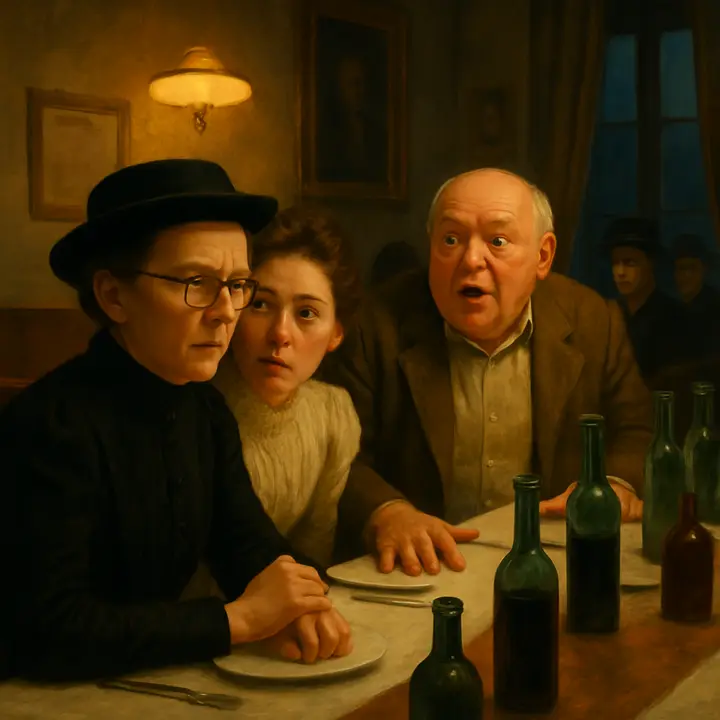
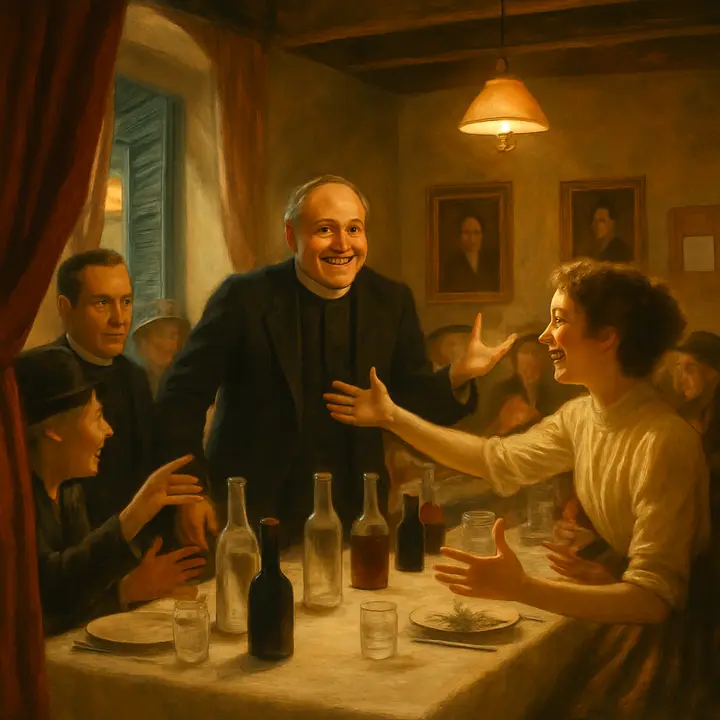
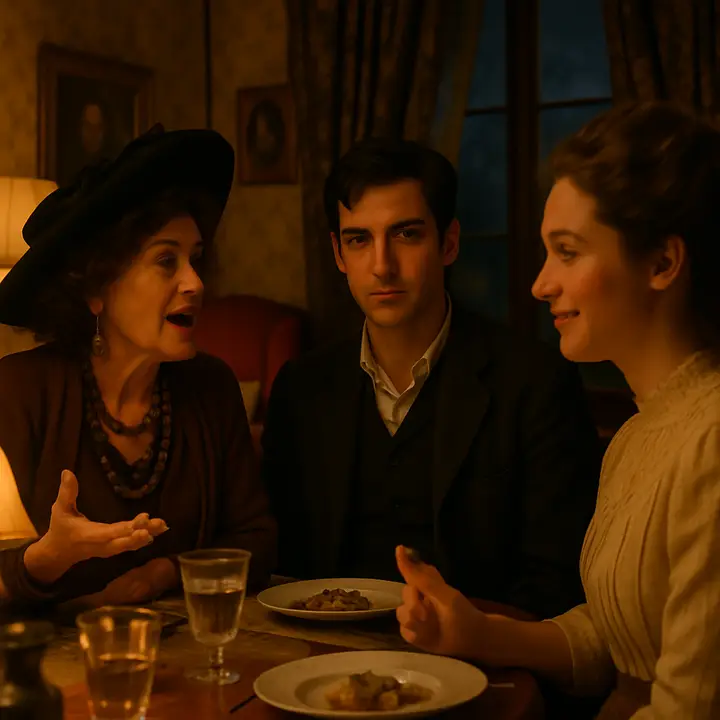
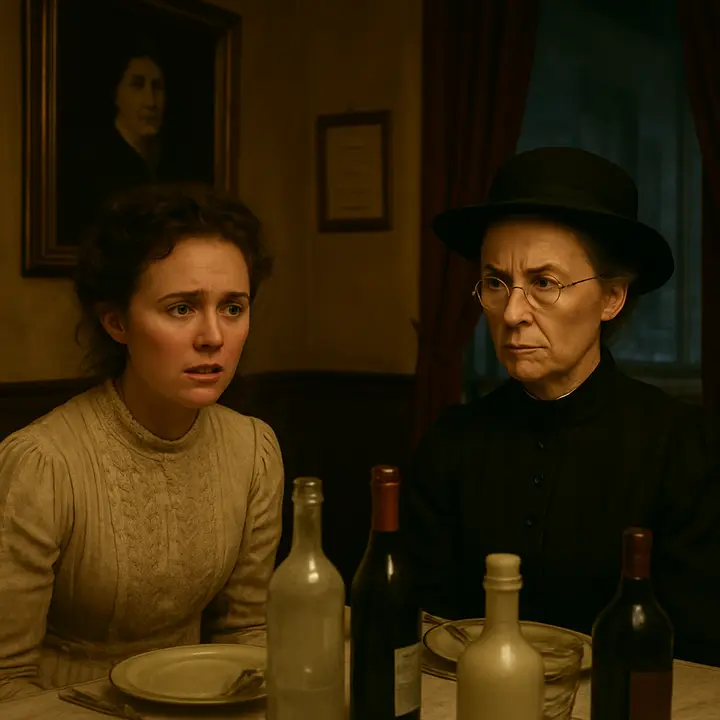
Lucy Honeychurch in pictures

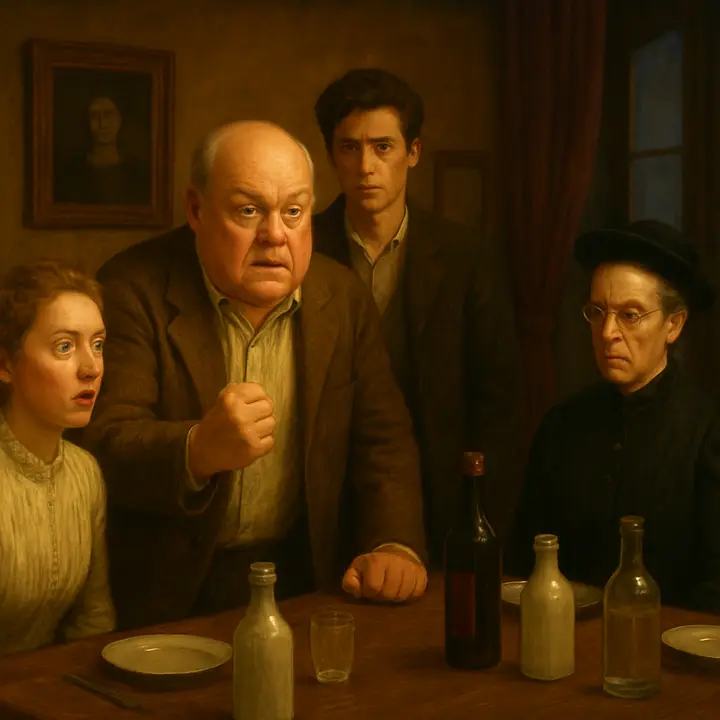
Relationships
- Charlotte Bartlett Lucy’s cousin and chaperone, a protective but anxious figure who pressures Lucy toward prudence and whom Lucy both depends on and sometimes resents.
- Cecil Vyse Lucy’s suitor and briefly her fiancé; their engagement unravels as Lucy recognizes their emotional and aesthetic incompatibility and ultimately ends it.
- George Emerson The younger Emerson who awakens Lucy’s deeper affections—his presence in Florence and his later love-claim force Lucy to confront her true desires.
- Mr. Emerson George’s father, whose blunt kindness and moral urgency at the Rectory confront Lucy with the truth she has been avoiding and press her toward honesty.
- Mrs. Honeychurch Lucy’s mother, who expects conventional matches and domestic steadiness and from whom Lucy seeks approval while also withholding difficult truths.
- Mr. Beebe A kindly clergyman and family friend who observes Lucy’s talent and restlessness and helps steer practical solutions like travel when tensions rise.
Quotes by Lucy Honeychurch
“I want to be truthful," she whispered. "It is so hard to be absolutely truthful.”
Chapter 7Lucy’s private admission to Charlotte that captures her inner conflict between desire for honesty and the social consequences of disclosure.
“Emerson was the name, not Harris.”
Chapter 9After their awkward kiss, Lucy corrects her earlier story about the Florence gossip, quietly revealing the old man's true name and deepening intimacy.
“I consider it most disloyal of you.”
Chapter 10Lucy rebukes Cecil for undoing her work and making her look ridiculous to her family and neighbours.
““I am so sorry, Mrs. Vyse—it is these dreams.””
Chapter 11Lucy’s admission after waking from a nightmare underlines her inner unrest despite outward acceptance and praise.
““I tore the thing up.””
Chapter 13Lucy denies to her mother that Charlotte’s letter was troubling, attempting to end the topic and avoid explaining her feelings.
““I don’t like Charlotte. I admit it’s horrid of me.””
Chapter 13Lucy confesses frankly at the dinner table that she finds Miss Bartlett trying, revealing family tensions over hospitality and obligation.
Why Lucy Honeychurch matters
Lucy embodies the novel’s central tension between social convention and personal authenticity. Her travels and encounters with the Emersons expose the limits of polite society, forcing choices about truth, compassion, and liberty. Through her hesitation, deceit, and eventual decision to break her engagement and follow her inward convictions, Lucy illustrates the cost of cultural conformity and the moral necessity of acting on genuine feeling. Her growth from reticence to decisive self-possession underlines Forster’s themes of human connection, the dangers of aestheticizing life, and the ethical demand to reconcile private desire with public obligation.
Chapters with Lucy Honeychurch
More A Room with a View characters
 Freddy HoneychurchMinor character
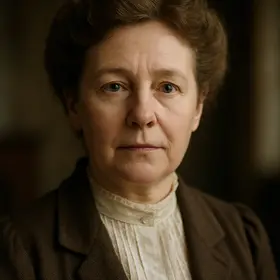 Mrs. HoneychurchMajor character
 Cecil VyseAntagonist
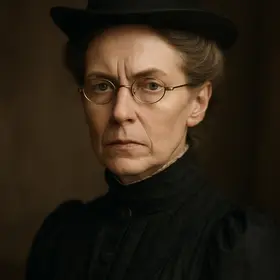 Charlotte BartlettMajor character
 George EmersonMajor character
 Mr. BeebeMajor character
 Mr. EmersonMajor character
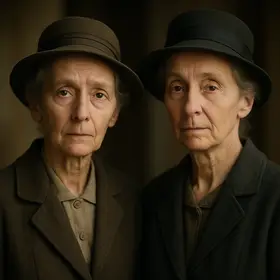 The Miss AlansMinor character
All chapter summaries ›Characters ›
Read A Room with a View illustrated
Every scene in these notes comes from the Book2Life reader, where the full public-domain text is illustrated as you read, with character portraits and narration. Free in your browser and on iPhone.
