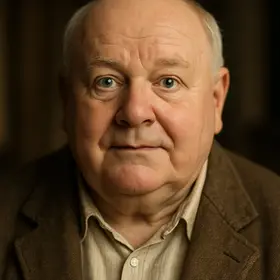
Mr. Emerson in A Room with a View
Major character
A candid, compassionate older Englishman whose blunt humanism unsettles convention and helps Lucy toward moral clarity.
Who is Mr. Emerson?
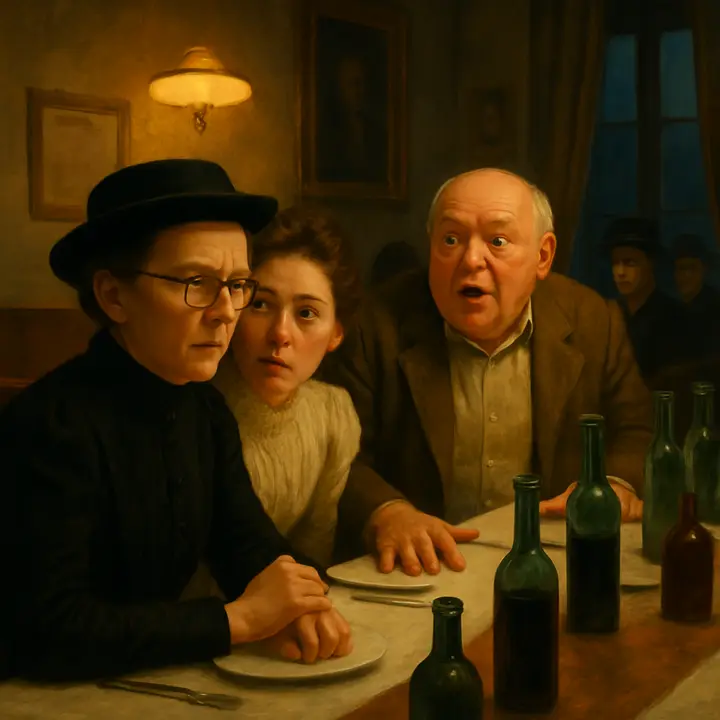
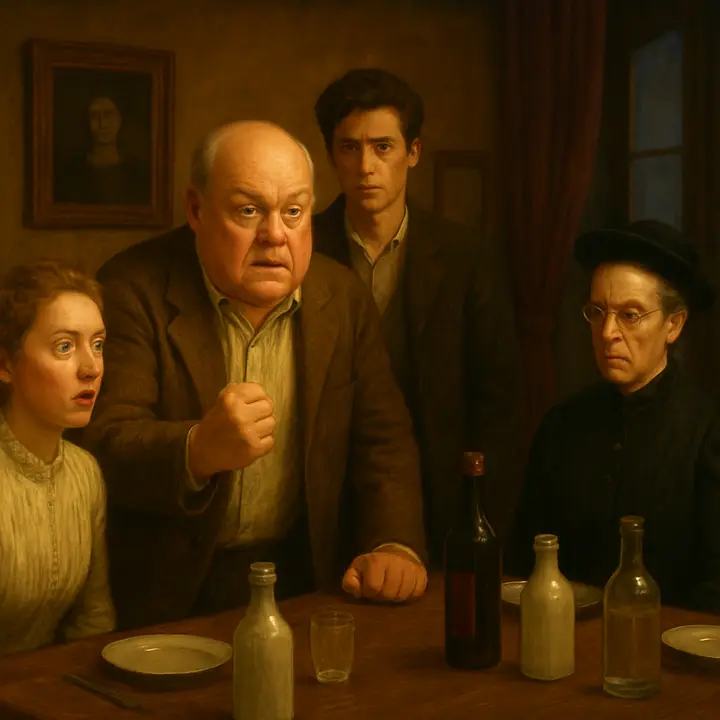
Mr. Emerson is the outspoken, kindly father of George Emerson who repeatedly disrupts polite expectation by insisting on plain speaking, generosity, and emotional honesty. From the first scene at the Pension Bertolini he offers a practical kindness—proposing a room swap so Lucy can have the Arno view—which exposes the social prejudices of Miss Bartlett and others. He converses freely with Lucy in Santa Croce and later presses her to recognize her true feelings, arguing that muddle is the chief human failing. He models a nonjudgmental belief in equality between the sexes and in fate, and he gives George a mooring of frank affection while also mourning past religious and family tensions. He appears in Windy Corner society, meets neighbours like Sir Harry, and speaks earnestly with Lucy in London, urging her to face the truth about her heart. Though not the romantic lead, Mr. Emerson acts as a moral catalyst: his plain speech, acts of generosity, and refusal to conform prod Lucy and others toward more authentic choices.
In the book: Mr. Emerson is George Emerson’s candid, compassionate father whose unconventional bluntness and humanist outlook unsettle polite Edwardian society. From the novel’s earliest pages, his generosity and insistence on honesty challenge social snobbery and help nudge Lucy Honeychurch toward clearer self-understanding, making him a quiet catalyst for the story’s moral and emotional currents without occupying center stage.
Personality
- Blunt
- He offers the room-swap at the Pension Bertolini without polish and challenges social niceties in front of Miss Bartlett (Chapter 1).
- Compassionate
- He and George take charge when a boy falls in Santa Croce, showing practical care for others (Chapter 2).
- Humanist
- He argues for a new equality of body and spirit between men and women when speaking with Mr. Beebe (Chapter 12).
- Forthright advisor
- In London he tells Lucy she loves George and urges her to marry him, condemning muddle and pressuring truthfulness (Chapter 19).
- Quiet catalyst
- His initial room-offer and subsequent challenges to propriety set in motion a chain of events that force Lucy to re-examine herself (Chapters 1, 6, 19).
Character arc
Mr. Emerson enters as an unsettling but generous outsider who ignores social jealously and acts on simple human decency—offering Lucy the desirable room at the Pension Bertolini and defending affection between the Italian driver and his daughter on the drive to Fiesole. Early on he functions as a moral contrast to Miss Bartlett and Cecil: his bluntness embarrasses the polite party but also reveals their pettiness. As the narrative progresses he remains steady rather than changing dramatically; his role is less to undergo transformation and more to catalyse change in others. He becomes a confidant and conscience figure: he speaks with Lucy at critical moments (Santa Croce, Windy Corner, and most pointedly in London), insists on clear feeling over complacent social conformity, and urges her to act on love rather than social safety. By the end he is present as a supportive, honest father and moral lodestone—his consistency and courage in naming truth help enable Lucy’s final return to George, while he himself retains his frank, humanist identity throughout.
Mr. Emerson in pictures
Relationships
- George Emerson His son; Mr. Emerson supports George emotionally and shares a close, open bond that shapes George's conduct (Chapters 1, 2, 12).
- Lucy Honeychurch A moral interlocutor and encourager who repeatedly confronts Lucy with the need for honesty about her feelings (Chapters 2, 19).
- Charlotte Bartlett An objector to his manner and offers; she resents his bluntness and obstructs certain intimacies, creating social friction (Chapter 1 and later visits).
- Mr. Beebe A fellow Englishman and moderate friend who mediates introductions and supports civil reception of the Emersons (Chapters 1, 12).
- Mrs. Honeychurch A neighbour and part of the community whose domestic concerns intersect with Mr. Emerson’s presence though their interactions are more public than intimate (Windy Corner scenes).
- Sir Harry Otway A local conventional figure who meets Mr. Emerson with social awkwardness, highlighting class and taste tensions (Chapter 11).
Quotes by Mr. Emerson
“Pull out from the depths those thoughts that you do not understand, and spread them out in the sunlight and know the meaning of them.”
Chapter 2Mr. Emerson urges Lucy to help his son by exploring and expressing inner feelings—an appeal to personal growth and sympathy.
“If Miss Honeychurch ever takes to live as she plays, it will be very exciting both for us and for her.”
Chapter 3Mr. Beebe’s remark highlights Lucy’s potential to live boldly and frames his interest in her future conduct.
“For that man has murdered his wife in the sight of God.”
Chapter 5Mr. Eager’s shocking public accusation about Mr. Emerson escalates gossip into moral condemnation and embarrasses Lucy.
“Do we find happiness so often that we should turn it off the box when it happens to sit there?”
Chapter 6Mr. Emerson defends the lovers on the box, articulating his philosophy that spontaneous happiness should not be suppressed by convention.
“Courage, Miss Honeychurch, courage and faith. If I might say so, there is something almost blasphemous in this horror of the elements.”
Chapter 7Mr. Eager’s officious attempt to comfort Lucy during the storm, revealing his moralizing manner and Charlotte’s reliance on other protectors.
“We are to raise ladies to our level?”
Chapter 12Beebe parodies Mr. Emerson's talk of comradeship and bodily equality, highlighting gender expectations and the comic gap between rhetoric and practice.
Why Mr. Emerson matters
Mr. Emerson embodies the novel’s critique of social hypocrisy and the moral value of candour. His plain speech and acts of practical kindness expose the petty conventions that constrain Lucy and others, while his arguments against 'muddle' press the book’s theme of truth over appearance. By modelling an egalitarian humanism—arguing for equality between the sexes, defending spontaneous feeling, and insisting on compassion—he pushes the protagonists toward authenticity. He is not a romantic hero but a conscience figure whose steadiness and willingness to speak uncomfortable truths make possible Lucy’s moral awakening and the novel’s move from social performance to inward honesty.
Chapters with Mr. Emerson
More A Room with a View characters
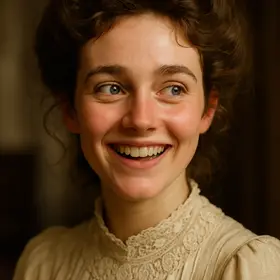 Lucy HoneychurchProtagonist
 Freddy HoneychurchMinor character
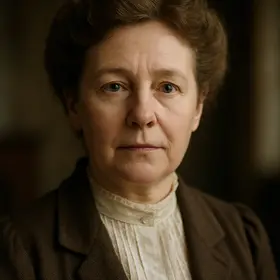 Mrs. HoneychurchMajor character
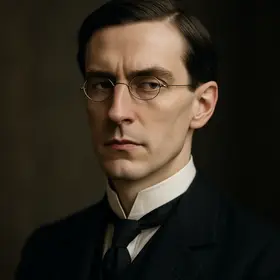 Cecil VyseAntagonist
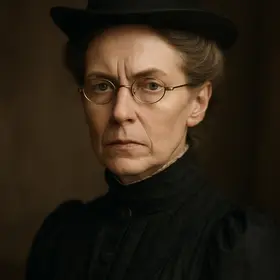 Charlotte BartlettMajor character
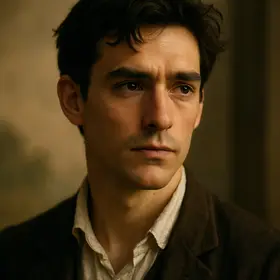 George EmersonMajor character
 Mr. BeebeMajor character
 The Miss AlansMinor character
All chapter summaries ›Characters ›
Read A Room with a View illustrated
Every scene in these notes comes from the Book2Life reader, where the full public-domain text is illustrated as you read, with character portraits and narration. Free in your browser and on iPhone.
