Don Quixote Chapter 26 Summary
The Puppet-Show Rampage
Don Quixote attacks a puppet show to defend the lovers represented, destroys the spectacle, and pays for the damages before leaving the inn.
Summary
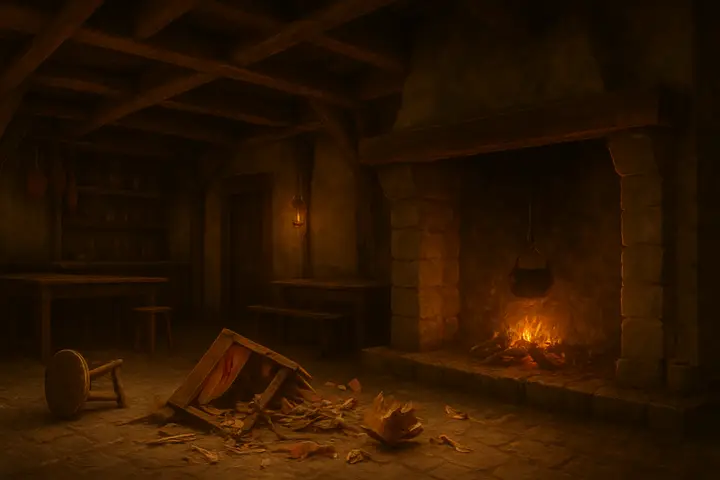
A crowded puppet performance dramatizing the French ballad of Don Gaiferos and Melisendra is underway when Don Quixote and Sancho arrive at the inn. The interpreter narrates the scene—Charlemagne reproaching Don Gaiferos, Melisendra kissed by a rude Moor, her rescue by Don Gaiferos, and the lovers' flight—while Master Pedro, the showman, interjects and defends his staging. Don Quixote interrupts repeatedly, correcting details about bells and Moorish practice and insisting on literal truth in the spectacle.
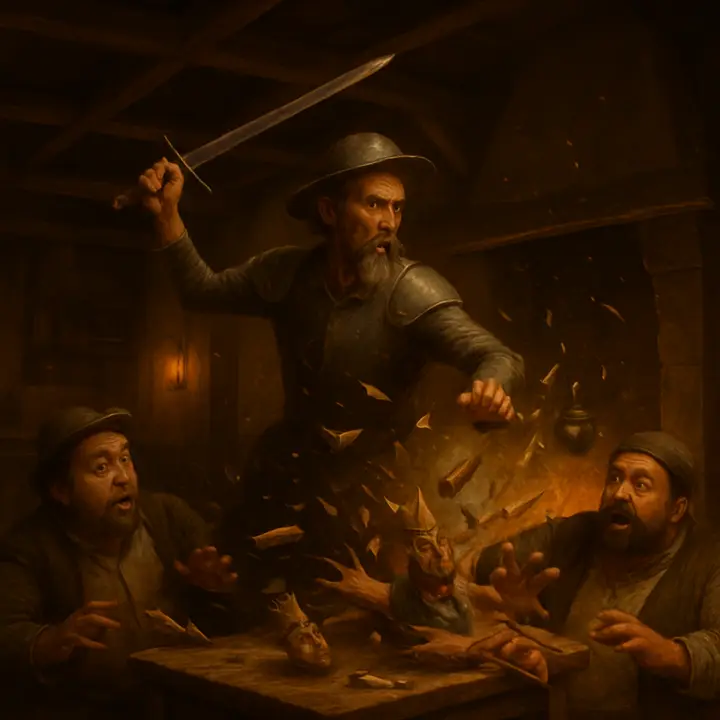
When the puppet Moors appear to give chase, Don Quixote mounts a sudden moral and physical defense of the fictional lovers: he draws his sword, attacks the stage, and smashes the puppets and scenery with furious blows. Master Pedro protests that his livelihood is ruined; Don Quixote insists he acted from knightly duty and offers to pay for damages. An arbitrated tally is made, Sancho pays, and Master Pedro departs with the remains of the show and his ape. Don Quixote’s generosity and conviction round off the episode as the pair leave the inn to continue their journey at dawn.
Key events
- Interpreter sets the puppet tale of Don Gaiferos and Melisendra before the crowd
- Don Quixote disputes details and insists on literal truth
- The puppet Moors are said to pursue the lovers, provoking Don Quixote
- Don Quixote attacks and destroys the puppet show in fury
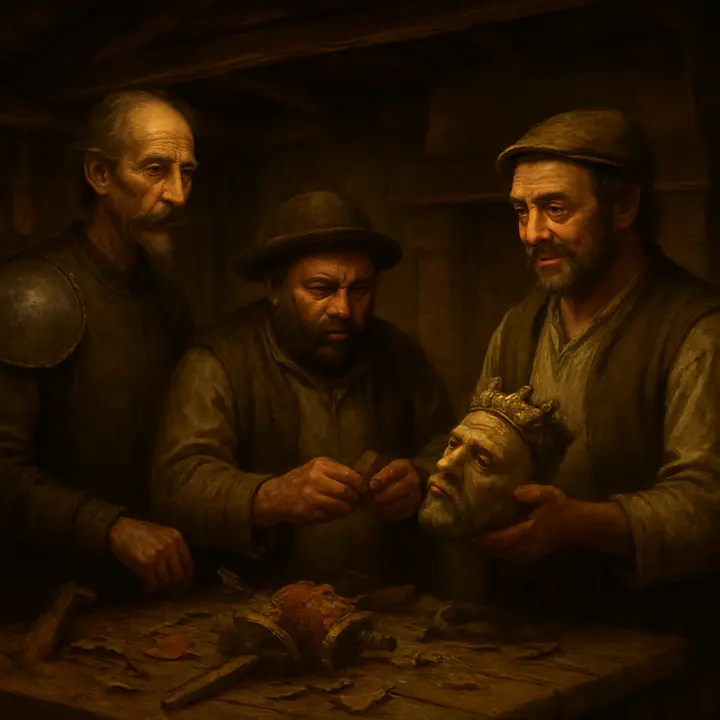
- Master Pedro demands compensation; Don Quixote agrees to pay
- Sancho pays; Master Pedro departs with his ruined props and ape; Don Quixote and Sancho leave at dawn
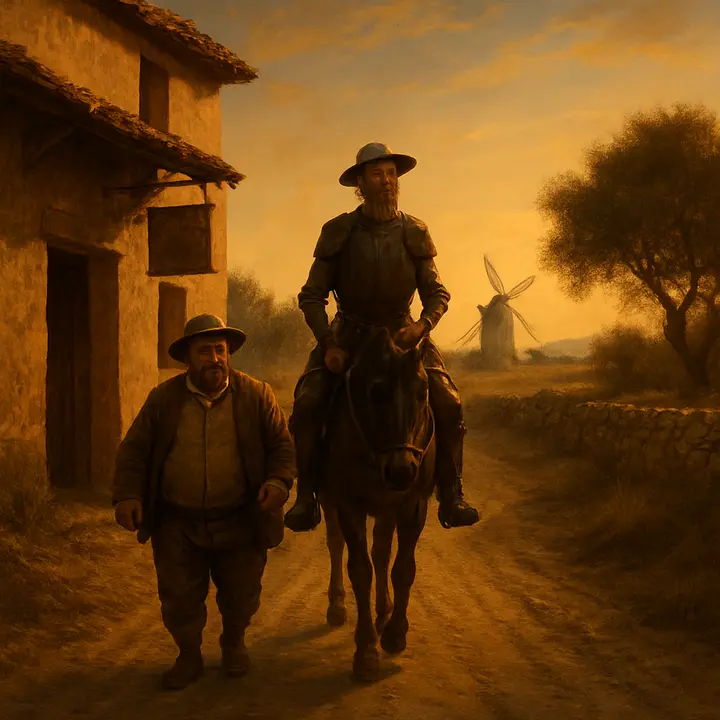
Chapter 26 in pictures
Analysis
This chapter continues Cervantes’ pattern of testing the boundary between fiction and reality: a staged representation provokes Don Quixote’s chivalric realism, and his literal belief in the drama leads to comic, destructive action. The episode foregrounds central themes—the misapplication of idealism, the social costs of madness, and performative truth—by converting a theatrical illusion into violent fact for the protagonist. Don Quixote’s intervention both lampoons and honors knight-errantry: his intent is noble (to defend lovers), but his method is absurd and harmful, revealing how virtues untethered from context become destructive.
Narratively, the scene is a set-piece that displays Cervantes’ satirical technique: a play within the novel exposes social theatricality (Master Pedro’s commodified art, the audience’s passive enjoyment, Sancho’s pragmatic concern). The bargaining over compensation introduces practical consequences—economic and reputational—that temper Don Quixote’s high rhetoric with mundane accountability. The chapter also uses irony and dialogue to blur narrator and actor authority: the interpreter, Master Pedro, and Don Quixote dispute what counts as authentic, foreshadowing recurring conflicts between authored stories and lived action throughout the novel.
Important quotes
“Never, while I live, will I permit foul play to be practised in my presence on such a famous knight and fearless lover as Don Gaiferos. Halt! ill-born rabble, follow him not nor pursue him, or ye will have to reckon with me in battle!”
Don QuixoteDon Quixote announces and justifies his attack on the puppet show, claiming duty to protect the represented lovers.
“Not half an hour, nay, barely a minute ago, I saw myself lord of kings and emperors, with my stables filled with countless horses, and my trunks and bags with gay dresses unnumbered; and now I find myself ruined and laid low, destitute and a beggar, and above all without my ape, for, by my faith, my teeth will have to sweat for it before I have him caught;”
Master PedroMaster Pedro laments the material loss caused by Don Quixote’s attack and appeals for compensation to repair his ruined livelihood.
Characters in Chapter 26
- Don Quixote
- Sancho Panza
- Master Pedro
- Don Gaiferos
- Melisendra
- King Marsilio
- Emperor Charlemagne
- the ape
- the cousin
- the page
- The Innkeeper
All chapter summaries ›Characters ›
Read Don Quixote illustrated
Every scene in these notes comes from the Book2Life reader, where the full public-domain text is illustrated as you read, with character portraits and narration. Free in your browser and on iPhone.
