Frankenstein Chapter 15 Summary
Education and Rejection
The Creature finds books that teach him language, history, and selfhood, learns of his origin from Victor's journal, and is violently rejected when he seeks the De Laceys' compassion.
Summary
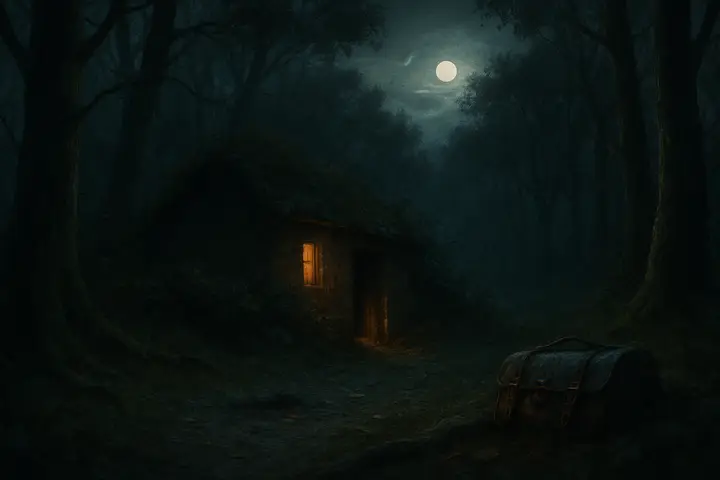
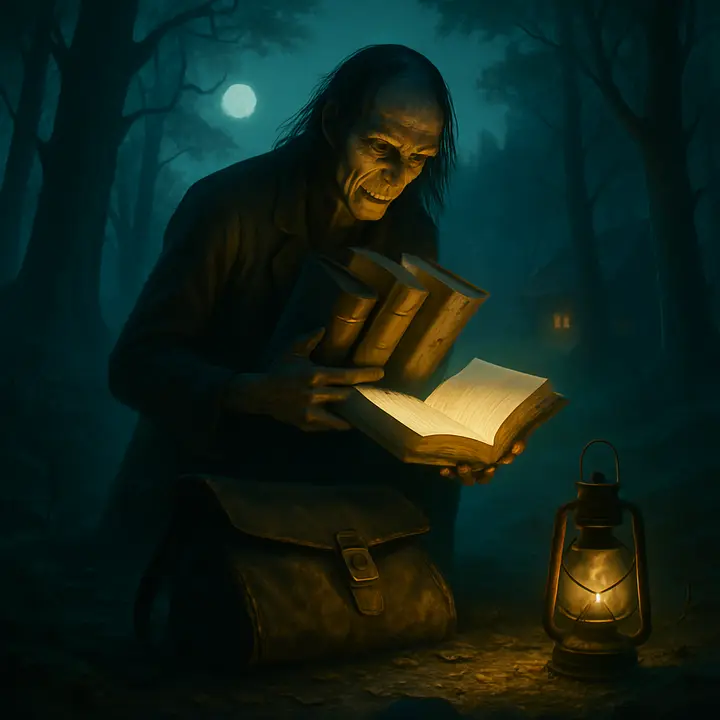
The Creature recounts finding a leathern portmanteau containing three books—Paradise Lost, Plutarch’s Lives, and The Sorrows of Werter—while gathering wood. Reading these volumes in the language he has slowly learned from observing the cottagers expands his imagination, evokes deep emotions, and shapes his developing moral and intellectual framework. Werter introduces him to sentimental ideas about suffering and suicide; Plutarch leads him to admire public virtue and heroic models; Paradise Lost compels him to compare his isolation to Adam’s and to feel envy and identification with Satan.
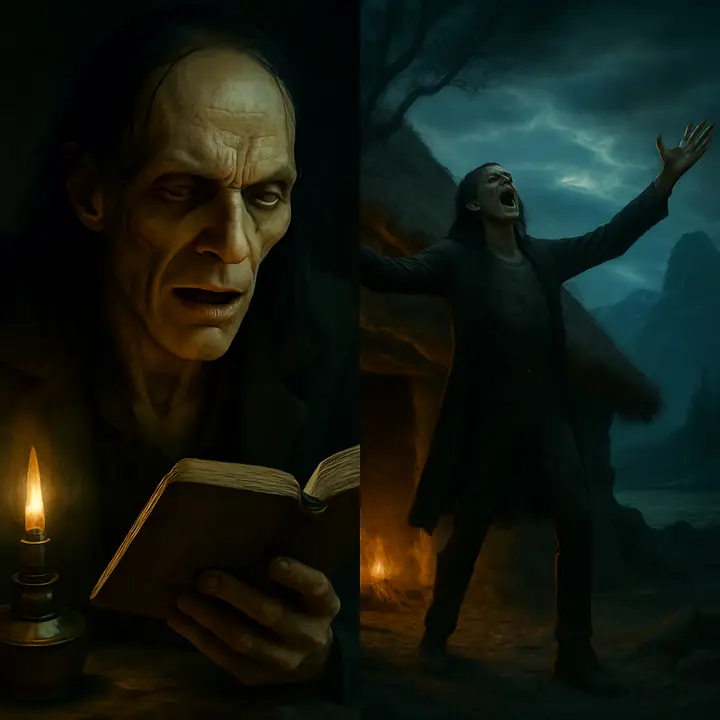
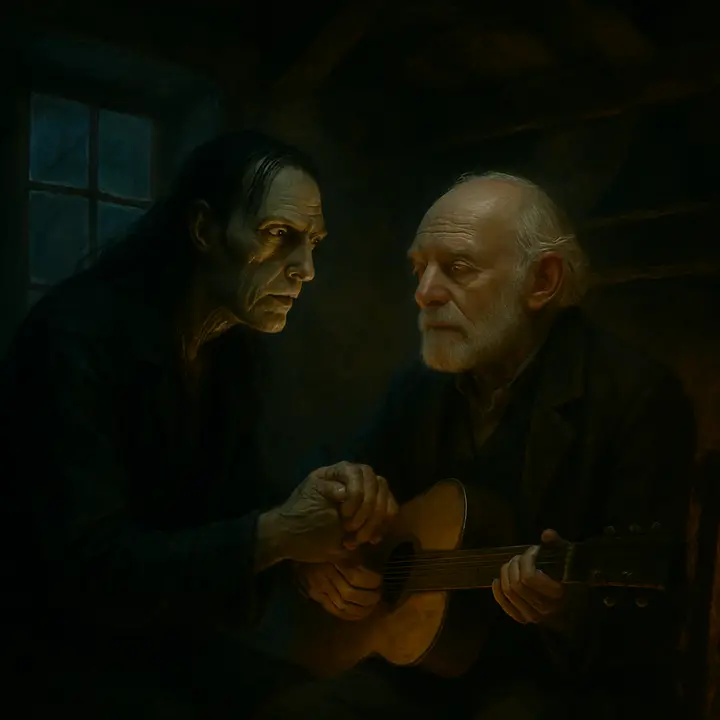
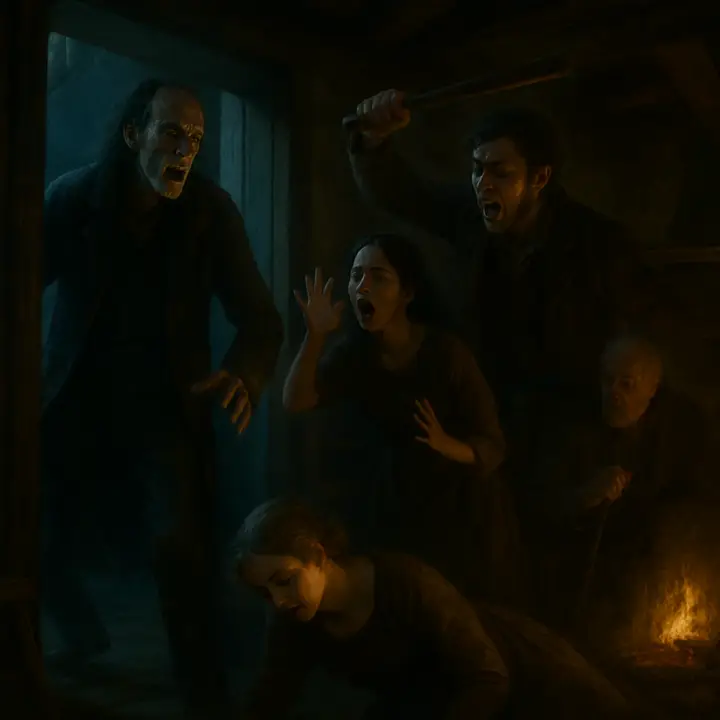
While studying, the Creature also discovers Victor’s journal describing the months before his creation. The detailed account, including the creator’s horror at the Creature’s appearance, fills the Creature with revulsion and despair. Nevertheless, inspired by the De Laceys’ virtues and hoping for sympathy, he prepares to reveal himself. He waits until the blind old De Lacey is alone and gains entrance; the old man listens kindly and offers help when the Creature explains his plight. But the younger members return—Agatha, Safie, and Felix—see the Creature, react with terror, and violently attack him, with Felix striking him and forcing him to flee, shattered by the rejection.
Key events
- The Creature finds a portmanteau with Paradise Lost, Plutarch, and Werter.
- Books expand his language, moral sense, and self-awareness.
- He reads Victor’s journal and learns the circumstances of his creation.
- The Creature plans and executes an appeal to the blind De Lacey.
- De Lacey receives him kindly, but the younger De Laceys return and assault him, forcing his retreat.
Chapter 15 in pictures
Analysis
Chapter 15 deepens the Creature’s interiority and marks a turning point: he moves from sensory learning to reflective selfhood through literature and documentary evidence. The books function as formative texts—Werter instills sentimental feeling and melancholy, Plutarch supplies ideals of civic virtue and nobility, and Paradise Lost frames existential questions about creation, belonging, and rebellion. Discovering Victor’s journal externalizes the Creature’s origins, converting abstract anguish into the concrete knowledge that he is a manufactured being rejected by his maker; this disclosure intensifies his self-loathing and sense of injustice.
Narratively, the chapter uses first-person reflection to build sympathy while simultaneously tracing the emergence of resentment that will shape later actions. The attempt to win over the elderly, blind De Lacey tests the idea that compassion can overcome prejudice; the failure demonstrates how visual perception and communal fear enforce exclusion. Symbolically, the books and journal are double-edged: instruments of education and alienation. The scene with De Lacey foreshadows the consequences of rejection—how humane hopes can be crushed by instinctive horror—and highlights themes of creator responsibility, the social construction of monstrosity, and the tragic formation of identity through absence of recognition.
Important quotes
“I found on the ground a leathern portmanteau containing several articles of dress and some books.”
The CreatureOpens the episode that brings the three formative books into the Creature's possession, triggering his intellectual development.
“Who can describe their horror and consternation on beholding me? Agatha fainted, and Safie, unable to attend to her friend, rushed out of the cottage.”
The CreatureDescribes the immediate, violent rejection by the younger De Laceys when they see him, ending his hopes for acceptance.
Characters in Chapter 15
All chapter summaries ›Characters ›
Read Frankenstein illustrated
Every scene in these notes comes from the Book2Life reader, where the full public-domain text is illustrated as you read, with character portraits and narration. Free in your browser and on iPhone.
