
Felix De Lacey in Frankenstein
Major character
Devoted son of the De Lacey family and fiancé of Safie who becomes both a model of human virtue and a figure shaped by exile and injustice.
Who is Felix De Lacey?
Felix De Lacey is the passionate, active son of the De Lacey household who dedicates himself to aiding his family and to rescuing an unjustly imprisoned man. He engineers the escape of Safie’s father and escorts the family toward safety, an effort that leads to political reprisal: arrest, confiscation of fortune, and the family’s exile. Reduced to poverty, Felix continues to care for his blind father and sister Agatha, and he teaches Safie language and Christian ideas when she arrives, reviving hope in the household. His tenderness and patient instruction unintentionally make him the Creature’s primary tutor in speech, morals, and social behavior, because the Creature learns by watching Felix’s daily labor, lessons with Safie, and the family’s mutual sacrifices. Yet Felix also displays the human capacity for fear and violent rejection when he attacks the Creature upon seeing him with the others, an act that precipitates the Creature’s despair and retaliation. Throughout the episodes recorded by the Creature, Felix’s actions propel crucial developments in the Creature’s education and in the narrative’s turning points about sympathy and social exclusion.
In the book: Felix is the devoted son of the De Lacey family and the fiancé of Safie. Through his daily labors and his patient lessons to Safie, he unintentionally becomes the creature’s first model for human language, compassion, and social life. His kindness to his family contrasts with his alarmed response to the unknown, making him central to the creature’s early education and to a pivotal encounter that shapes the story’s themes of sympathy and prejudice without revealing later plot turns.
Personality
- Devoted
- He sacrifices his safety and prospects to attempt to free the merchant and protect his family, engineering their escape across France to Leghorn.
- Compassionate
- He patiently teaches Safie language and European customs, reviving the household’s spirit when she arrives and helping the family recover moral hope.
- Brave
- He physically intervenes to rescue an imprisoned man despite the political danger, procuring passports and guiding the family through mountains.
- Prejudiced (fearful)
- When he and the younger cottagers encounter the Creature, Felix reacts with terror and strikes him, forcing the Creature to flee.
- Resolute
- After the family’s downfall he surrenders himself in an effort to free imprisoned relatives, persisting even when this leads to imprisonment and ruin.
Character arc
Felix first appears as a resourceful, energetic son who risks everything to rescue an unjustly imprisoned man and to secure a future with Safie; his daring and confidence mark him as a protector and moral actor. The initial success of smuggling the family to Leghorn and Safie’s arrival bring joy and renewal to his household: he resumes teaching and laboring for their well-being. That hope collapses when political reprisal discovers their involvement and Felix is forced into flight, imprisonment, and the loss of family fortune. Reduced to poverty and grief, he nevertheless continues to care for his blind father and sister, maintaining duties and attempting to preserve dignity. His arc contains a sharp moral rupture when, faced with the Creature’s appearance, his immediate terror overcomes prior compassion and he strikes the Creature, triggering that being’s profound rejection and turning the earlier model of virtue into an agent of exclusion. By the end of the episodes recounted by the Creature, Felix has moved from active rescuer and teacher to an exile whose fear unintentionally catalyzes violence and vengeance, showing both constancy of familial devotion and a failure to extend sympathy under shock.
Felix De Lacey in pictures
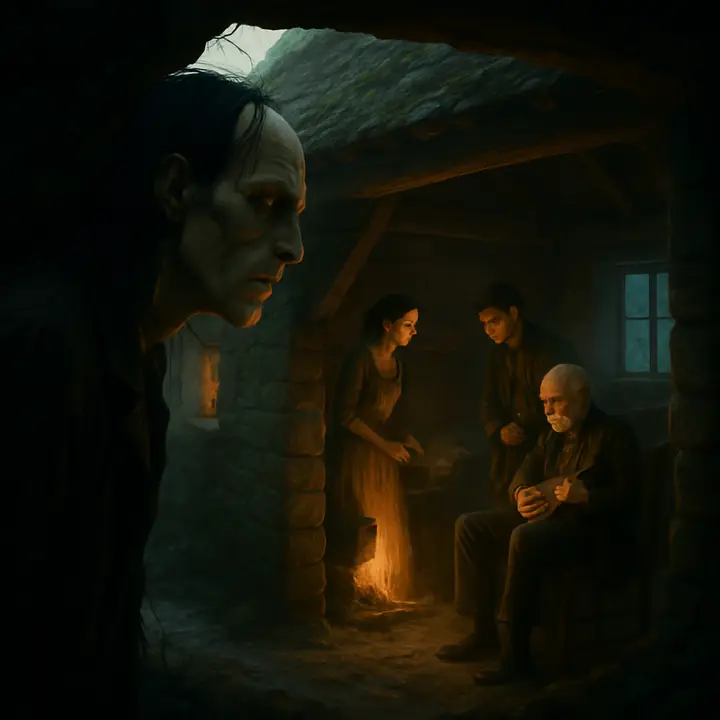
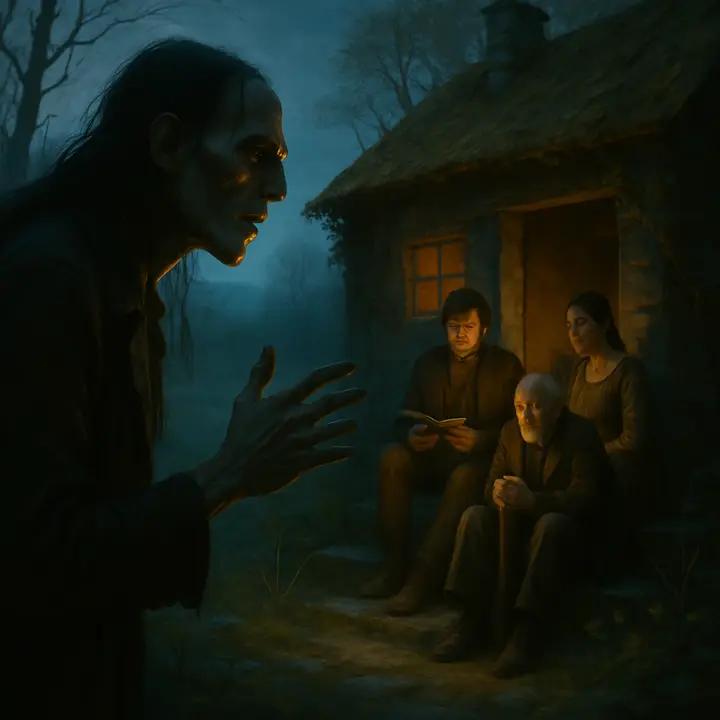


Relationships
- De Lacey Felix’s blind father, whom Felix cares for devotedly and whose kindness helps shape Felix’s compassionate behavior toward the household.
- Agatha De Lacey Felix’s sister and fellow sufferer in exile; they share the household duties and mutual devotion after the family’s downfall.
- Safie Felix’s beloved fiancé whom he instructs in language and European customs and whose arrival briefly restores the family’s hope.
- The Creature Unwitting tutor and later antagonist to the Creature: Felix’s kindness and lessons help educate the Creature, but Felix’s violent rejection provokes the Creature’s despair and revenge.
- Victor Frankenstein Indirectly connected: Felix’s flight and the Creature’s subsequent revenge set in motion events that contribute to the broader chain of harm affecting Victor and his circle.
Why Felix De Lacey matters
Felix embodies the novel’s tensions between virtue and social vulnerability: he models compassion, bravery, and self-sacrifice yet also reveals how fear and social prejudice can undo those virtues. His teaching of Safie and unintentional role as the Creature’s tutor link education, language, and socialization to belonging, while his later, frightened violence shows how appearance and shock prompt exclusion. Through Felix the book probes how political injustice and exile deform lives and how individual kindness can be undermined by collective fear, making him central to themes of sympathy, social responsibility, and the tragic consequences of rejection.
Chapters with Felix De Lacey
More Frankenstein characters
 Victor FrankensteinProtagonist
 The CreatureMajor character
 Elizabeth LavenzaMajor character
 Alphonse FrankensteinMajor character
 Henry ClervalMajor character
 William FrankensteinMinor character
 Justine MoritzMinor character
 De LaceyMinor character
All chapter summaries ›Characters ›
Read Frankenstein illustrated
Every scene in these notes comes from the Book2Life reader, where the full public-domain text is illustrated as you read, with character portraits and narration. Free in your browser and on iPhone.
