
Diana Rivers in Jane Eyre
Major character
One of the amiable Rivers sisters who shelters and mentors Jane, offering affection, intellect, and moral steadiness at Moor House.
Who is Diana Rivers?
Diana Rivers is one of the two kindly, educated sisters who live at Moor House and who take Jane in when she arrives exhausted and destitute. She wants to offer humane hospitality, intellectual companionship, and steady moral support; through teaching, conversation, and domestic care she helps restore Jane’s health and confidence. At Moor House she reads and studies (including German), tutors Jane, and models an affectionate, balanced form of womanhood that contrasts with colder or more severe influences. Diana delights in domestic order and literary pursuits, rejoices when Jane improves the house, and rejoices at family reunions following Jane’s inheritance. Though not doctrinaire like St. John, she supports practical decisions—encouraging Jane’s work, approving the equal division of the inheritance, and later responding warmly to Jane’s news of marriage. Diana represents the affectionate kinship and moderate independence that anchor Jane during a turbulent period of testing and choice.
In the book: Diana Rivers is one of the kind, educated sisters who shelter Jane at Moor House, offering her friendship, guidance, and a model of affectionate, balanced womanhood. Through her warmth, intellect, and moral steadiness, she helps restore Jane’s confidence and highlights themes of kinship, independence, and humane compassion, serving as a counterpoint to colder influences around Jane.
Personality
- Warm
- She and Mary check on Jane with sympathetic, practical kindness when Jane first recovers at Moor House (Chapter 29).
- Intellectual
- She studies German with Mary and teaches Jane, sharing books and long conversations that enrich Jane’s life (Chapters 29–30).
- Practical
- Diana helps refurbish Moor House and accepts Jane’s industrious household improvements when the sisters return from Morton (Chapter 34).
- Affectionate
- She responds warmly and with joy when Jane informs Moor House of her marriage, showing consistent familial tenderness (Chapter 38).
- Balanced
- Unlike St. John’s austere zeal, Diana models a tempered, humane Christianity and domestic contentment, seen in her everyday care and study (Chapters 30–34).
Character arc
Diana’s role remains steady rather than dramatically changing: she appears at Moor House as a kind, cultivated sister ready to shelter a stranger and remains a source of warm constancy through Jane’s convalescence, employment, inheritance, and eventual marriage. Initially her actions are practical compassion—feeding and bedding Jane, checking her recovery, and teaching her German—then expanding into genuine kinship when the Rivers family connection is revealed and Jane insists on dividing her inheritance. Diana moves from hostess and tutor to confirmed cousin and friend, rejoicing in Jane’s choices rather than directing them. She supports Jane’s independence (helping her find work and accept a modest post) and later celebrates Jane’s marriage, marrying herself soon after. Rather than undergoing a radical transformation, Diana’s arc demonstrates the sustaining power of steady, humane domestic virtues across the crises and resolutions of Jane’s life.
Relationships
- Jane Eyre Shelters, tutors, and befriends Jane; becomes her cousin and warm correspondent, rejoicing in Jane’s recovery and later marriage.
- Mary Rivers Her sister and intellectual companion at Moor House; they study together and leave together for governess posts.
- St. John Rivers Her brother, whose austere missionary zeal contrasts with her temperate, affectionate approach to life and faith.
- Mr. Eyre of Madeira (referred to indirectly) As a member of the Eyre family after Jane’s inheritance is revealed, Diana becomes kin to Jane through their maternal connection to the Eyres.
- Edward Fairfax Rochester An object of Diana’s genuine happiness for Jane when she learns of Jane’s marriage and domestic contentment.
Why Diana Rivers matters
Diana embodies the book’s values of kinship, moral balance, and educated female companionship. She provides a humane counterpoint to St. John’s asceticism and to the colder, controlling figures Jane has known, demonstrating that integrity and intellectual life can coexist with affection and domestic responsibility. Through Diana, the novel models an alternative feminine ideal: independent enough to work and study, affectionate enough to form deep bonds, and steady enough to anchor Jane’s moral and emotional restoration. Diana’s presence highlights themes of chosen and biological family, principled independence, and compassionate Christianity.
Chapters with Diana Rivers
More Jane Eyre characters
 Jane EyreProtagonist
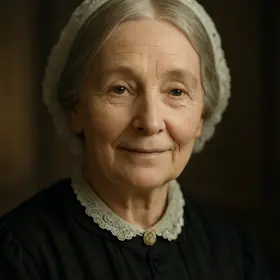 Mrs. FairfaxMinor character
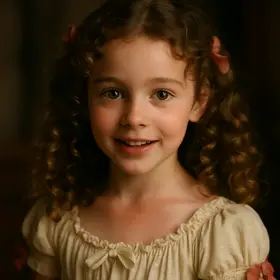 Adèle VarensMinor character
- MMr. RochesterMajor character
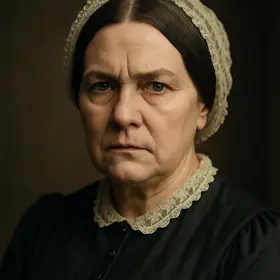 Mrs. ReedAntagonist
 St. John RiversMajor character
 Edward Fairfax RochesterMajor character
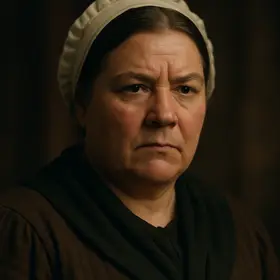 Grace PooleMinor character
All chapter summaries ›Characters ›
Read Jane Eyre illustrated
Every scene in these notes comes from the Book2Life reader, where the full public-domain text is illustrated as you read, with character portraits and narration. Free in your browser and on iPhone.
