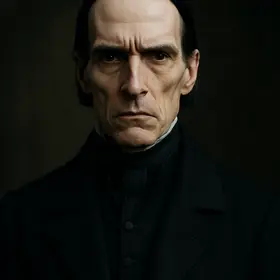
Mr. Brocklehurst in Jane Eyre
Antagonist
The stern clergyman who runs Lowood, enforcing austerity and public discipline in the name of piety.
Who is Mr. Brocklehurst?
Mr. Brocklehurst is the rigid, moralizing overseer of Lowood Institution who champions severe discipline, thrift, and outward plainness as spiritual virtues. He wants to shape the girls into humble, self-denying Christians and to maintain Lowood’s reputation as a model charity by controlling appearance and conduct. In practice he inspects the school, scolds staff for perceived indulgences, and publicly humiliates pupils he deems proud or deceitful—most notably accusing Jane of lying and ordering her to stand on a stool as spectacle. His priorities emphasize mortification of the flesh (cutting hair, plain dress, meagre food) and he privileges outward signs of humility over care for the children’s welfare. Brocklehurst’s authority structures much of Jane’s early hardship at Lowood: his inspections, pronouncements, and punitive displays create the moral and emotional tests Jane must endure. During the typhus outbreak the school’s mismanagement is exposed, reforms follow, and Brocklehurst’s control is curtailed as other overseers and Miss Temple act to protect the girls.
In the book: Mr. Brocklehurst is the stern clergyman who oversees Lowood Institution, enforcing harsh discipline and extreme austerity in the name of piety. He functions as an early antagonist to Jane, embodying religious hypocrisy and social prejudice, and his authority shapes key hardships that test her spirit and moral awareness.
Personality
- Morally self-righteous
- He lectures Miss Temple and the girls on thrift, mortification, and humility during his inspection, insisting on penal measures to enforce piety.
- Authoritarian
- He publicly singles out Jane as a liar and forces her to stand on a high stool as a spectacle to enforce discipline.
- Hypocritical
- He demands plain dress and cutting of curls while presiding over an institution whose harsh conditions and poor management cause suffering and disease.
- Public-facing
- He focuses on visible signs—mended hose, tuckers, hair—to demonstrate Lowood’s humility to subscribers and visitors during his inspections.
Character arc
From his first appearance Brocklehurst embodies rigid, punitive religious authority: he inspects Lowood, prescribes austerities, and humiliates pupils publicly (notably Jane) to enforce moral conformity. His methods create fear and suffering among the girls and shape the institutional atmosphere of Lowood. As the narrative proceeds, the school suffers a typhus epidemic that exposes the effects of neglect and mismanagement; public attention and inquiry follow, and the institution is reformed. Those events lead to the intervention of more sympathetic overseers and to improvements in food, housing, and care. Brocklehurst’s personal authority thus becomes limited: his strict prescriptions remain emblematic of the old regime, but the crisis weakens his standing and the institution moves toward more humane governance. By the time Jane leaves Lowood as pupil and teacher, the school’s outward character has changed—Brocklehurst’s harshest policies are checked and his influence is diminished, even if his attitude toward discipline is not fully repudiated within the narrative voice.
Relationships
- Jane Eyre He acts as an early antagonist whose public accusation and enforced humiliation directly test and shape Jane’s endurance and moral awareness.
- Miss Temple Miss Temple opposes his harsh judgment in private, investigates Jane’s case, and provides the sympathetic supervision Brocklehurst lacks.
- Helen Burns Helen endures the regime Brocklehurst represents with patient faith and comforts Jane after Brocklehurst’s public shaming.
- Mrs. Reed Mrs. Reed consults Brocklehurst about Jane’s future, aligning with his punitive view to send Jane to Lowood.
- Miss Scatcherd As a harsh monitor and disciplinarian among the staff, Miss Scatcherd enacts the strict culture of punishment Brocklehurst demands.
- Lowood pupils He presides over them as the controlling authority whose austerity, inspections, and rules shape their daily suffering and moral instruction.
Quotes by Mr. Brocklehurst
“Do you know where the wicked go after death?”
Chapter 4Brocklehurst interrogates Jane with a catechistic, punitive religiosity that reveals his austere moralism and sets the tone for the disciplinarian ideology behind Lowood.
“When you put bread and cheese, instead of burnt porridge, into these children’s mouths, you may indeed feed their vile bodies, but you little think how you starve their immortal souls!”
Chapter 7Brocklehurst lectures Miss Temple on avoiding pampering the pupils, using religious rhetoric to justify harshness.
“You must be on your guard against her; you must shun her example; if necessary, avoid her company, exclude her from your sports, and shut her out from your converse.”
Chapter 7Brocklehurst publicly brands Jane a moral danger, ordering teachers and pupils to ostracize her after accusing her of lying.
“Did you expect a present, Miss Eyre? Are you fond of presents?”
Chapter 13Rochester interrupts Adèle’s plea to tease Jane and uses the question to probe her character and composure.
“It is nine o’clock: what are you about, Miss Eyre, to let Adèle sit up so long? Take her to bed.”
Chapter 13Abruptly dismisses his guests, underscoring his imperious manner and control over the household routine.
Why Mr. Brocklehurst matters
Mr. Brocklehurst represents religious hypocrisy and institutional cruelty: his concern for appearance over actual care exposes how authority can mask neglect with moral rhetoric. He sharpens major themes—class and gendered power, the conflict between true Christian charity and ostentatious piety, and the formative effects of education—by creating the severe conditions Jane must resist and interpret. His role precipitates reform at Lowood, illustrating that moral posturing can be challenged by evidence and compassionate leadership (Miss Temple), and his presence helps define Jane’s developing moral independence and critical view of authority.
Chapters with Mr. Brocklehurst
More Jane Eyre characters
 Jane EyreProtagonist
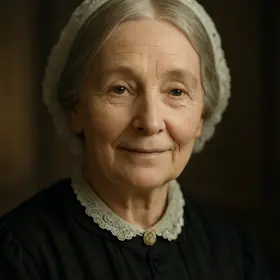 Mrs. FairfaxMinor character
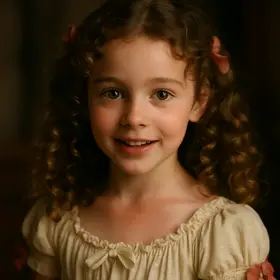 Adèle VarensMinor character
- MMr. RochesterMajor character
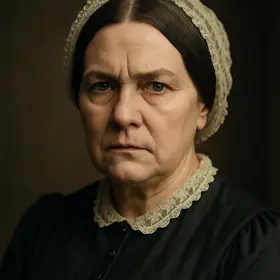 Mrs. ReedAntagonist
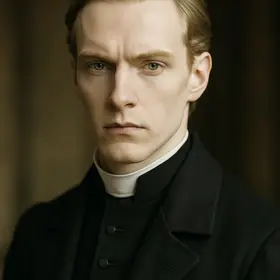 St. John RiversMajor character
 Edward Fairfax RochesterMajor character
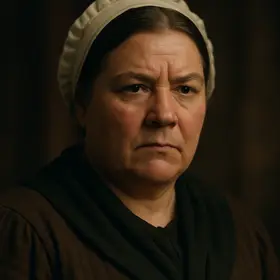 Grace PooleMinor character
All chapter summaries ›Characters ›
Read Jane Eyre illustrated
Every scene in these notes comes from the Book2Life reader, where the full public-domain text is illustrated as you read, with character portraits and narration. Free in your browser and on iPhone.
