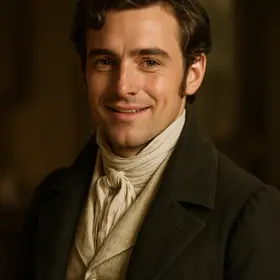
Tom Bertram in Mansfield Park
Major character
Eldest Bertram son and heir: a lively, spendthrift young man whose taste for pleasure disrupts Mansfield’s order.
Who is Tom Bertram?
Tom Bertram is the eldest son and heir of Sir Thomas Bertram who brings energy, glamour, and temptation into Mansfield Park. Privileged and sociable, he seeks diversion in races, parties, and the amateur theatricals, often pressuring others to join or yielding to impulse. His extravagance once forces family recalculation (affecting Edmund’s prospects), and his taste for company and spectacle makes him a leading force behind the acting project that disturbs the household. Tom’s behaviour causes repeated friction with his father’s sense of duty and with more restrained family members. He also figures in moments of family anxiety—his fall and illness after excess at Newmarket provokes real alarm and mobilizes attention—and by the end of the narrative his illness serves as a turning point toward steadier conduct. Tom rarely offers moral leadership; instead, his actions generate crises that expose other characters’ principles and weaknesses and help set the conditions for restoration at Mansfield.
In the book: Tom Bertram is the eldest son and heir of Sir Thomas Bertram, a lively, spendthrift companion who brings glamour, noise, and temptation into Mansfield Park. His impulsive pursuits and desire for entertainment set key events in motion, creating tensions that test the principles of his family—especially his steadier brother Edmund and the quietly observant Fanny Price—and illustrating the costs of privilege and irresponsibility without giving the central moral compass to him.
Personality
- expansive
- Sir Thomas blames Tom’s extravagance for forcing a different disposition of the future preferment (Chapter 3).
- sociable
- He readily joins plans for races, parties, and takes an eager part in arranging and pushing the amateur theatricals (Chapters 4, 13–15).
- impulsive
- Tom grows impatient in theatrical planning and volunteers parts or accepts comic roles to break deadlocks (Chapter 14).
- self-indulgent
- His fall and dangerous illness after excess drinking and a Newmarket incident alarms the household (Chapter 44).
- reformable
- By the close he is described as reformed into a steadier, more useful son following the family scandals and his illness (Chapter 48).
Character arc
Tom begins as a confident, reckless eldest son whose taste for pleasure and high living shapes local amusements and family embarrassments. Early references show his limited presence at Mansfield but a readiness to bring noise and spectacle when he is there; his spendthrift ways are blamed for family inconvenience and lost opportunities (Chapter 3). When the Crawfords arrive and social entertainments multiply, Tom is a prime instigator of the theatricals—enthusiastic, impatient, and easily swept along (Chapters 5, 13–15). His behaviour culminates in personal collapse: a fall and excess at Newmarket leave him dangerously ill and expose the costs of his indulgence (Chapter 44). That crisis precipitates genuine concern from his family and encourages a re-evaluation of priorities. In the final stages Tom shows signs of amendment, described as becoming steadier and more useful; his recovery and changed conduct contribute to the household’s moral restoration after the theatrical scandal and the sisters’ misfortunes (Chapter 48). Throughout, Tom moves from a figure of attractive vitality and ruinous habit to one whose suffering yields temperance and renewed responsibility.
Relationships
- Sir Thomas Bertram Father; Sir Thomas reproves Tom’s extravagance and later returns to restore order to the household.
- Maria Bertram Younger sister whose social prospects and anxieties about Sir Thomas’s return are entwined with household entertainments Tom enjoys.
- Edmund Bertram Brother; Edmund’s steadiness and moral scruples contrast with Tom’s frivolity and are tested by Tom’s choices and the household’s amusements.
- Fanny Price Cousin and quiet observer; Fanny is distressed by the disruptions Tom helps create and later is anxious about Tom’s illness.
- Mrs. Norris Aunt whose managerial scheming often amplifies Tom’s projects while avoiding personal expense or responsibility.
- Henry Crawford Social companion and fellow amusement-seeker in the household’s entertainments, sharing gusto for the theatricals and society.
Quotes by Tom Bertram
“If you look at them you may see they are so many couple of lovers—all but Yates and Mrs. Grant—and, between ourselves, she, poor woman, must want a lover as much as any one of them.”
Chapter 12Tom’s flippant assessment of the dancers at the ball reveals his cynical view of social amusements and his tendency to mock others.
““We must have a curtain,” said Tom Bertram;”
Chapter 13Tom's flippant practicality begins the concrete planning for converting rooms into a theatre.
“Lovers’ Vows! And why should not Lovers’ Vows do for us as well as for the Ravenshaws?”
Chapter 14Tom proposes the play that will be accepted, a turning point that launches the casting disputes and private theatrical enterprise.
“You must get a brown gown, and a white apron, and a mob cap, and we must make you a few wrinkles, and a little of the crowsfoot at the corner of your eyes, and you will be a very proper, little old woman.”
Chapter 15Tom describes the costume and makeup he plans for Fanny’s part, trivializing her objections and the seriousness of her distress.
Why Tom Bertram matters
Tom functions as a catalyst: his appetite for diversion and his fiscal carelessness expose the fragility of Mansfield’s decorum and force other characters to reveal principles or failings. His actions provoke key conflicts—the preferment reshuffle, the theatre project, and the later family crises—so that moral steadiness (in Edmund and Fanny) and parental authority (in Sir Thomas) must reassert themselves. Tom’s subsequent illness and partial reform illustrate Austen’s theme that privilege without restraint produces harm, but that suffering can prompt responsibility. Thus Tom embodies both the temptations of social ease and the possibility of corrective change within the novel’s moral economy.
Chapters with Tom Bertram
- Chapter 1
- Chapter 2
- Chapter 3
- Chapter 4
- Chapter 5
- Chapter 6
- Chapter 7
- Chapter 8
- Chapter 10
- Chapter 11
- Chapter 12
- Chapter 13
- Chapter 14
- Chapter 15
- Chapter 16
- Chapter 17
- Chapter 18
- Chapter 19
- Chapter 20
- Chapter 21
- Chapter 23
- Chapter 24
- Chapter 25
- Chapter 29
- Chapter 30
- Chapter 36
- Chapter 38
- Chapter 39
- Chapter 40
- Chapter 42
- Chapter 44
- Chapter 45
- Chapter 46
- Chapter 47
- Chapter 48
More Mansfield Park characters
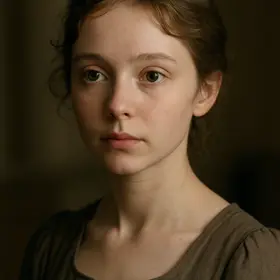 Fanny PriceProtagonist
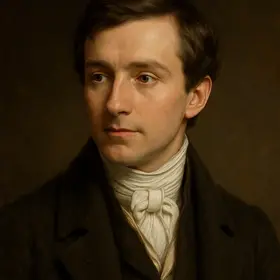 Edmund BertramMajor character
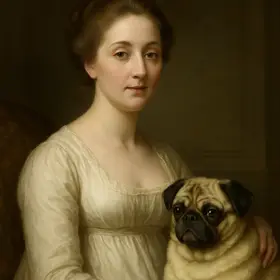 Lady BertramMinor character
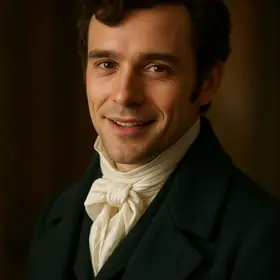 Henry CrawfordMajor character
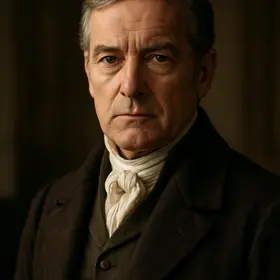 Sir Thomas BertramMajor character
 Julia BertramMinor character
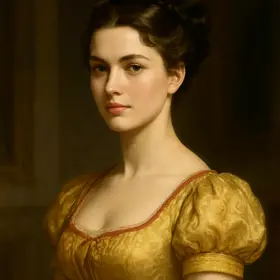 Maria BertramMajor character
 Mary CrawfordMajor character
All chapter summaries ›Characters ›
Read Mansfield Park illustrated
Every scene in these notes comes from the Book2Life reader, where the full public-domain text is illustrated as you read, with character portraits and narration. Free in your browser and on iPhone.
