The Brothers Karamazov
1879 · Philosophical novel
Free to read in your browser. Public-domain edition from Project Gutenberg, illustrated as you read.
About This Book
The Brothers Karamazov is a sprawling moral and psychological novel centered on the Karamazov family: the dissolute landowner Fyodor Pavlovitch and the tangled lives of his three legitimate sons—Dmitri, Ivan, and Alexey (Alyosha)—and the mysterious servant Smerdyakov. Set in a provincial Russian town, the book opens with family history and the conflicting claims, rivalries, and neglect that shape each brother’s character. The plot follows Alyosha’s gentle faith and ties to the monastery and the dying elder Father Zosima; Dmitri’s volcanic passions, debts and desperate pursuit of money and love (especially Grushenka and Katerina Ivanovna); and Ivan’s intellectual revolt and moral anguish. Episodes move from monastery visits and spiritual counsel to violent family quarrels, flirtations, moral debates (including the famous Grand Inquisitor parable), a brutal death that shocks the community, investigations, prison, and a sensational trial. Secondary figures—schoolboys, servants, townspeople—bring threads of pride, redemption, humiliation and everyday suffering into the central drama. Dostoyevsky unfolds a novel of love, jealousy, faith and doubt through intimate scenes, courtroom spectacle, and philosophical disputation, letting character conflicts and moral questions drive the narrative rather than a single plotline.
Characters in The Brothers Karamazov
 Fyodor Pavlovich KaramazovFyodor Pavlovich Karamazov is a dissolute provincial landowner whose greed, lechery, and neglect shape the lives of his three sons and ignite the novel’s central conflicts. As a catalyst for family strife and moral inquiry, he embodies spiritual decay and cynical buffoonery, setting in motion questions of responsibility, faith, and freedom that drive the story.
 Dmitri Fyodorovich KaramazovThe eldest Karamazov brother, Dmitri (“Mitya”) is a passionate former officer whose impulsiveness, jealousy, and sense of honor drive many of the novel’s central conflicts. He embodies the struggle between base desire and moral conscience, and his turbulent choices set in motion the book’s exploration of guilt, responsibility, and redemption.
 Ivan Fyodorovich KaramazovIvan Fyodorovich Karamazov is the cerebral middle brother, an incisive skeptic whose philosophical challenges to faith and morality help set the novel’s central ethical and spiritual conflicts in motion. A gifted writer and thinker, his ideas and complicated relationships within the Karamazov family—especially with his passionate older brother and their manipulative father—reverberate through the plot and shape the book’s most famous debates.
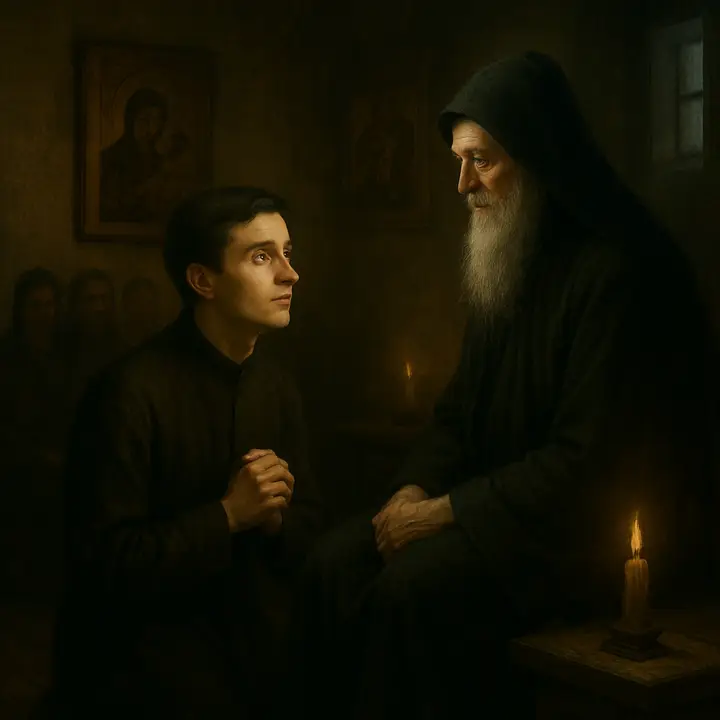
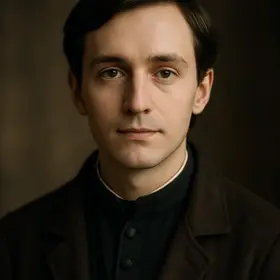 Alexei Fyodorovich KaramazovThe youngest of the Karamazov brothers, Alexei (“Alyosha”) is a novice monk whose kindness, empathy, and spiritual curiosity anchor the novel’s exploration of faith, doubt, and moral responsibility. Moving between monastery and family, he serves as a mediator in their fierce conflicts and becomes a quiet catalyst for revelations in others, embodying the book’s hope for redemptive love without dominating the action.
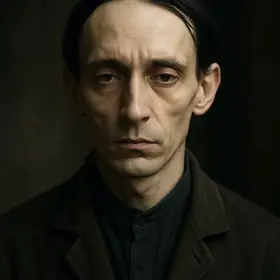 Pavel Fyodorovich SmerdyakovPavel Smerdyakov is the taciturn household servant of Fyodor Karamazov, rumored to be of dubious parentage and known for epileptic fits. Reserved, calculating, and keenly observant, he serves as a foil to the more impassioned Karamazov brothers, embodying a chillingly rational, subservient exterior that conceals deeper resentments and philosophical provocations. His interactions with the family subtly influence tensions and reveal unsettling questions about responsibility, belief, and moral agency without being at the story’s forefront.
 Agrafena Alexandrovna SvetlovaAgrafena Alexandrovna “Grushenka” Svetlova is the magnetic beauty whose charm and mercurial temperament draw several characters—especially Dmitri Karamazov—into passionate attachment and bitter rivalry. Through her coquetry, wounded past, and unexpected wells of tenderness, she becomes a catalyst for pivotal decisions and a lens on the novel’s concerns with desire, guilt, forgiveness, and the possibility of moral transformation.
 Katerina IvanovnaKaterina Ivanovna (Katya) is a highborn, principled young woman whose engagement to Dmitri Karamazov and complicated bond with his brother Ivan place her at the center of the novel’s moral and emotional tensions. Her fierce pride, generosity, and sense of duty drive pivotal choices, highlighting themes of honor, sacrifice, and the struggle between reason and passion, without requiring knowledge of later plot reveals.
 Father ZosimaFather Zosima is the revered starets (spiritual elder) whose compassion, insight, and teachings on love, humility, and responsibility shape the moral center of the novel. As Alyosha Karamazov’s mentor, he models a faith lived through empathy and self-examination, and his presence influences the choices and crises of many characters without dominating the plot through action.
 RakitinA young seminarian turned would‑be journalist and town gossip, Rakitin hovers on the edges of the Karamazov drama as a cynical opportunist. He flatters and manipulates, especially targeting Alyosha, nudging people toward choices that serve his own ambitions. Through his prying, petty schemes, and worldly materialism, he embodies the novel’s strain of skepticism and moral compromise without driving the central plot himself.
 Pyotr Alexandrovich MiusovPyotr Alexandrovich Miusov is a wealthy, Westernized landowner connected to the Karamazov family who accompanies them to the monastery, where his pride and liberal, cosmopolitan views clash with the monks and with Fyodor Pavlovich. Serving as a satirical foil to the novel’s spiritual concerns, he embodies fashionable skepticism and social vanity, adding tension and irony to early confrontations without driving the central plot.
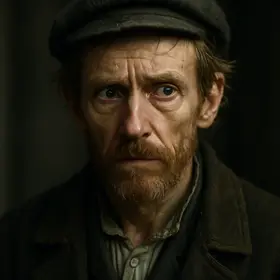 Captain SnegiryovCaptain Snegiryov is a dismissed army officer living in poverty whose pride and vulnerability draw the attention and compassion of Alyosha Karamazov. Through his struggles to protect his family—especially his son Ilyusha—he becomes a poignant lens for the novel’s concerns with humiliation, dignity, charity, and the redemptive possibilities of human kindness, intersecting the Karamazov family’s conflicts without driving the central mystery.
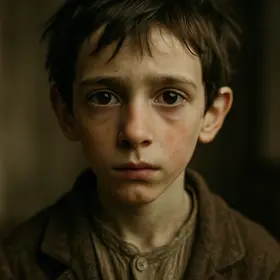 Ilyusha SnegiryovIlyusha Snegiryov is the impoverished captain’s son whose suffering draws Alyosha Karamazov into the world of local schoolboys and the Snegiryov family, becoming a focal point for themes of compassion, humiliation, and moral responsibility. Through Ilyusha’s friendships and trials, the novel explores the dignity of the poor, the power of kindness, and the possibility of reconciliation without relying on grand gestures or heroes.
 Lise KhokhlakovLise Khokhlakov is the wealthy Madame Khokhlakov’s daughter and a close friend—and tentative youthful love interest—of Alyosha Karamazov. Through her flirtations, impulsiveness, and sudden mood shifts, she embodies the novel’s exploration of innocence, freedom, and moral testing, while her interactions with Alyosha illuminate his compassion and the tensions between spiritual aspiration and human caprice.
 Madame KhokhlakovA wealthy widow and tireless hypochondriac, Madame Khokhlakov serves as a comic yet revealing social presence in the town. She seeks spiritual counsel, dispenses gossip and favors, and often draws Alyosha into her orbit, highlighting themes of vanity, charity, and the gap between genuine moral striving and self‑regard. As the mother of Lise, she also links the Karamazov family to the town’s genteel society.
 Grigory VasilievichGrigory Vasilievich is the long-serving household servant of Fyodor Pavlovich Karamazov, a devout and rigidly moral presence who tries to uphold order amid the family’s chaos. He helped raise the foundling Smerdyakov and keeps a watchful, disapproving eye on the Karamazov brothers, especially when passions flare. His loyalty and severity place him close to the household’s most turbulent moments, drawing him—unwillingly—into the events surrounding a pivotal crime without revealing its outcome.
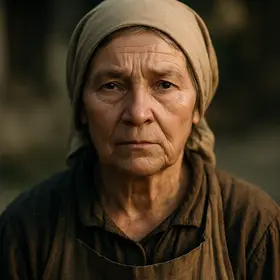 Marfa IgnatievnaMarfa Ignatievna is Grigory’s wife and a long‑serving housekeeper in Fyodor Pavlovich Karamazov’s household. As Smerdyakov’s foster mother, she helps anchor his origins and ties to the Karamazov home, provides domestic continuity, and embodies the loyal servant class that witnesses and comments on the family’s tensions without driving the central plot.
 Kolya KrasotkinKolya Krasotkin is a precocious, self-assured schoolboy whose wit, curiosity, and flair for leadership make him a small celebrity among his peers. Through his interactions with Alyosha Karamazov and the circle of local boys, he becomes a lens on youthful pride meeting conscience and compassion. Kolya’s blend of skepticism, bravado, and genuine warmth adds energy to the novel’s exploration of moral growth and the formation of belief, especially as he learns to balance intellect with empathy.
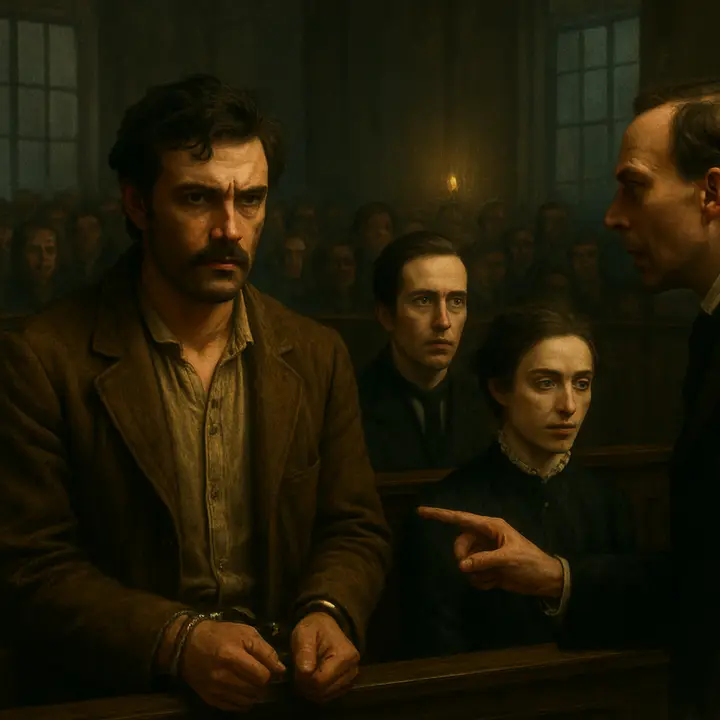
 Ippolit KirillovichIppolit Kirillovich is the zealous public prosecutor who leads the case against Dmitri Karamazov, using psychology and sweeping social arguments to frame the crime within broader moral questions. Ambitious and self-consciously eloquent, he becomes a key voice in the novel’s debate over justice, responsibility, and the direction of Russian society, shaping how the jury—and readers—interpret the Karamazov family’s turmoil.
 FetyukovichFetyukovich is the celebrated defense attorney brought from St. Petersburg to represent Dmitri Karamazov at trial; he’s a master of rhetoric and strategy, using sharp cross‑examinations and reframing of evidence to challenge the prosecution and sway the jury, embodying the clash between legal showmanship and moral inquiry in the novel.
 Kuzma SamsonovKuzma Samsonov is a wealthy local merchant connected to Grushenka and the Karamazov circle. Cautious, calculating, and somewhat spiteful, he toys with those who come to him for help—most notably Dmitri—using misdirection to protect his interests. Though a minor figure, his decisions help set key plot movements in motion and illuminate the novel’s themes of self-interest and moral ambiguity without occupying center stage.
 Father FerapontFather Ferapont is a reclusive hermit-monk whose severe asceticism and claims of seeing demons make him a counterpoint to the compassionate spirituality of Elder Zosima. His presence sharpens the novel’s exploration of faith, fanaticism, and authority within the monastery, influencing how others view sanctity and spiritual power without occupying the narrative’s central stage.
 Father PaissyFather Paissy is an austere monk of the monastery and a close follower of Elder Zosima, serving as a rigorous defender of Orthodox faith and practice. Scholarly and uncompromising, he provides spiritual guidance—especially to Alyosha—while offering sharp moral and theological commentary that frames many of the novel’s religious and philosophical concerns.
 Adelaida Ivanovna MiusovaAdelaida Ivanovna is Fyodor Pavlovich Karamazov’s first wife and the mother of Dmitri (Mitya). Their disastrous marriage, her flight from Fyodor, and her early death set in motion the neglect and disorder that shape Dmitri’s upbringing, link the Karamazovs to the Miusov family, and color the novel’s family conflicts.
 Sofya IvanovnaSofya Ivanovna is the talkative, status-conscious mother of Lise Khokhlakov and a prominent town patroness; she hosts visitors (including Alyosha), passes messages, and meddles amiably in others’ affairs, offering social context and comic texture to the narrative rather than driving the central Karamazov plot.
Study guide
Summaries and analysis of all 96 chapters, and profiles of 35 characters, illustrated with scenes from the book.
The Brothers Karamazov summary ›The Brothers Karamazov characters ›
Key Scenes & Storyboard
4 illustrated scenes. These appear beside the passage they depict as you read.


Themes
- faith vs doubt
- moral responsibility
- family conflict
- justice and law
- redemption
Why Read The Brothers Karamazov?
Read The Brothers Karamazov for its intense, human portraits and the way Dostoyevsky stages ethical crises through believable characters: a tormented intellectual, a passionate heir, a devout novice, and a resentful servant. The book combines intimate scenes (confessions, prayers, childhood memories) with public drama (a murder investigation and trial), letting you experience how private conscience and social institutions collide.
The novel still matters because it asks questions readers still wrestle with—how to live responsibly, how to answer suffering, what love requires—and does so without tidy answers. Its mix of philosophical argument, spiritual searching, dark humor and courtroom theater gives a powerful, immersive encounter with moral complexity and human contradiction.
Experience The Brothers Karamazov on Book2Life
Read with AI-generated visuals, character portraits, audio narration, smart summaries, and more — free in your browser and on iPhone.