
Hera in The Iliad
Major character
Queen of the gods who favors the Achaeans and manipulates gods and men to turn the war against Troy.
Who is Hera?
Hera, queen of the Olympians and wife of Zeus, repeatedly intervenes in the Trojan War to favor the Achaeans. From the opening books she objects when Zeus considers aiding the Trojans and argues against his decisions; she urges and enables other gods to break truces and provoke battle. On Olympus she persuades Athena to contrive Pandarus’ arrow that resumes fighting, and she later conspires to distract Zeus so Poseidon can help the Greeks. Hera uses seduction, bribery, and outright deception—borrowing Aphrodite’s girdle, promising Pasithea to Sleep—to achieve her aims. She also summons Hephaestus to assist when Achilles’ slaughter enrages the river-god Scamander. Though she never confronts mortals openly as a warrior, her scheming shapes the course of major engagements and the fates of leaders, making divine politics a driving force behind human outcomes in the poem.
In the book: Hera, queen of the gods and wife of Zeus, is a powerful Olympian whose fierce loyalty to the Achaeans shapes the divine politics behind the war. She schemes, persuades, and occasionally deceives to influence both gods and mortals, driving key turns of fate while embodying divine authority and jealousy without overshadowing the human heroes at the poem’s center.
Personality
- partisan
- In Book 4 she pressures Minerva to break the oath and urges action that restarts the battle in favor of the Achaeans.
- cunning
- In Book 14 she borrows Aphrodite’s girdle, bargains with Sleep, and seduces Zeus to lull him and free the gods to help the Greeks.
- authoritative
- In Book 20 she takes her place among the gods aligned with the Achaeans during Zeus’s council, helping determine divine involvement.
- unyielding
- In Book 1 she openly protests Zeus’ promise to honor Achilles and refuses to accept his tilt toward the Trojans without argument.
- resourceful
- In Book 21, when Scamander attacks Achilles, she summons Hephaestus to kindle a fire that forces the river to relent.
Character arc
Hera’s role remains consistent from her first appearance to the last scenes in which she acts: she is a persistent, interventionist force working to counteract Zeus’ decisions and to protect Achaean fortunes. Early she protests Zeus’ promise to honor Achilles and seeds opposition on Olympus. When the truce is endangered she urges and enables Minerva to provoke Pandarus, helping restart the fighting. As the war intensifies and the Achaeans falter, Hera shifts from persuasion to trickery—most strikingly seducing Zeus on Mount Ida to incapacitate him so Poseidon can aid the Greeks. Later, when Achilles’ slaughter draws the river-god’s wrath, she turns to industrial force, calling on Hephaestus to boil the river and preserve Achilles’ rampage. Throughout, Hera does not undergo a moral conversion or repentance; she refuses to relent in her partiality or to accept Zeus’ will quietly. Her arc is not a change of heart but a sequence of escalating tactics—argument, manipulation, seduction, and finally direct divine engineering—showing her relentless commitment to Achaean victory.
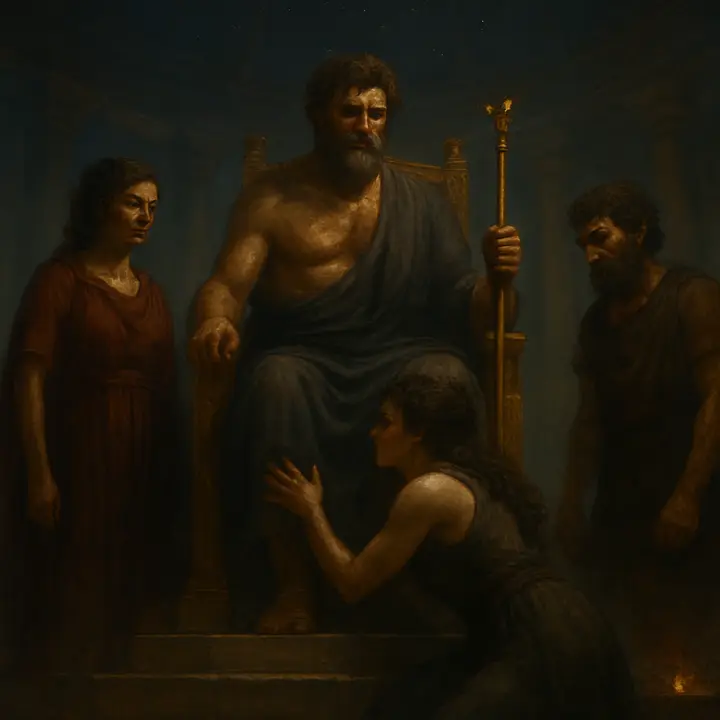
Hera in pictures
Relationships
- Zeus Her husband and the supreme god whom she argues with, deceives, and briefly seduces to influence divine policy.
- Athena Close ally and co-conspirator; Hera urges Athena/Minerva to contrive actions that restart the fighting for the Greeks.
- Poseidon An allied god whom Hera enables—by putting Zeus to sleep—to act openly on the Achaeans’ behalf in battle.
- Hephaestus She summons Hephaestus to kindle a fire that forces the river Scamander to relent and protects Achilles.
- Aphrodite She borrows Aphrodite’s girdle in Book 14, using another goddess’s attribute as a tool in her deception.
- Achilles A principal mortal beneficiary of Hera’s interventions—her schemes help preserve and advance his slaughter on the plain.
Why Hera matters
Hera embodies the poem’s theme of divine partisanship and the moral complexity of gods who shape human fate. Her interventions make clear that the war is not only about mortal honor and leadership but also a contest of divine wills, with gods pursuing quarrelsome loyalties that amplify human suffering. Hera’s cunning and refusal to yield highlight tensions between fate, authority, and personal bias: even supreme order (Zeus) is contested, and the gods’ private grudges have public consequences. By manipulating other deities and resorting to deceit, she underscores how power, jealousy, and political maneuvering operate at both cosmic and human levels in the Iliad.
Chapters with Hera
More The Iliad characters
 Hector
 Achilles
 Agamemnon
 Apollo
 Menelaus
 Zeus
Zeus Nestor
 Patroclus
All chapter summaries ›Characters ›
Read The Iliad illustrated
Every scene in these notes comes from the Book2Life reader, where the full public-domain text is illustrated as you read, with character portraits and narration. Free in your browser and on iPhone.
