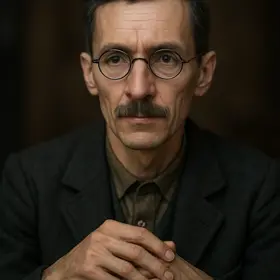
Comrade Ostrinski in The Jungle
Major character
A wizened Polish tailor and dedicated Socialist who shelters and politically mentors Jurgis after a stirring meeting.
Who is Comrade Ostrinski?
Comrade Ostrinski is an older Polish immigrant and tailor who appears as a calm, knowledgeable Socialist organizer. After the late-night meeting that convinces Jurgis he has found hope, Ostrinski finds and speaks to him in Lithuanian, explains the basics of Socialism and the party, and offers Jurgis a place to sleep on his kitchen floor. He patiently lays out how trusts and the Beef Trust produce the workers’ suffering, describes local organization, dues, and the party press, and gives Jurgis concrete directions for getting involved. Ostrinski functions as a first doorway for Jurgis into a supportive political circle: he provides warmth, clarity, and immediate shelter and helps translate the emotional conversion Jurgis feels at the meeting into practical steps—reading the Appeal to Reason, attending halls, distributing literature, and organizing neighbors.
In the book: He’s a Polish immigrant tailor and devoted socialist who speaks to Jurgis in his own language after a rousing meeting, inviting him in and calmly explaining what the movement stands for. He matters because he offers Jurgis warmth, clarity, and a first real doorway into a supportive circle.
Personality
- Patient
- He listens to Jurgis’s long, anguished story and calmly explains Socialism in his own language instead of answering with quick slogans.
- Practical
- He not only speaks about ideas but tells Jurgis about locals, dues, newspapers, and where to sleep on his kitchen floor.
- Welcoming
- After the meeting he invites Jurgis into his home and offers him immediate shelter and a place to lie down.
- Clear-spoken
- He explains how capitalism and the Beef Trust cause workers’ misery, turning the orator’s rhetoric into concrete analysis for Jurgis.
Character arc
Ostrinski’s role is steady rather than dramatically changing: when he first appears he is a committed, composed local organizer who meets Jurgis after the orator’s speech and immediately translates that emotional conversion into concrete political education and shelter. He remains a stabilizing figure: he does not undergo a personal transformation in the chapters where he appears, but his consistent presence facilitates Jurgis’s transformation from despairing laborer to active Socialist recruit. Ostrinski’s significance grows through effect rather than development—he is the mediator who channels the fervor of the meeting into organizational pathways, connecting Jurgis to party literature, locals, and meeting spaces. By the end of the sequence he has accomplished his purpose: he has provided the human, explanatory bridge that helps Jurgis find steady work in a Socialist environment and begin participating in meetings, distribution of literature, and local agitation. Ostrinski thus functions as a durable, quietly effective catalyst in Jurgis’s political rebirth.
Relationships
- Jurgis Rudkus He mentors Jurgis, speaks to him in Lithuanian, offers him shelter, and introduces him to Socialist organization and literature.
- Teta Elzbieta Through his influence on Jurgis, Ostrinski indirectly affects Elzbieta’s household life by enabling Jurgis’s new political activities that she cautiously tolerates.
- Marija Berczynskas Ostrinski’s organizing creates the broader Socialist circle Jurgis visits, where Marija’s personal struggles are encountered and discussed.
- Nicholas Schliemann He is part of the same intellectual-political network whose meetings and debates provide Jurgis with the detailed ideas Ostrinski first outlines.
Quotes by Comrade Ostrinski
“You have been through the mill, comrade!”
Chapter 29Ostrinski recognizes Jurgis’s long suffering and declares him fit to become a fighter for the Socialist cause.
Why Comrade Ostrinski matters
Comrade Ostrinski embodies the book’s hope for collective response to industrial exploitation: he shows how personal kindness and political education combine to transform private misery into public action. As a rooted immigrant organizer, he makes Socialism intelligible and practical for a traumatized worker, demonstrating Sinclair’s argument that solidarity and organization—not individual grit—offer a remedy to the systemic abuses of Packingtown. Ostrinski’s calm pedagogy contrasts with the brutal chaos of the stockyards and highlights the novel’s theme that political consciousness and community are necessary counters to capitalist dehumanization.
Chapters with Comrade Ostrinski
More The Jungle characters
 Jurgis RudkusProtagonist
 Teta ElzbietaMajor character
 Marija BerczynskasMajor character
 Ona LukoszaiteMajor character
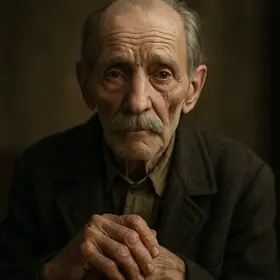 Antanas RudkusMinor character
 JonasMajor character
 StanislovasMinor character
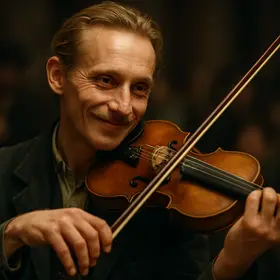 Tamoszius KuszleikaMinor character
All chapter summaries ›Characters ›
Read The Jungle illustrated
Every scene in these notes comes from the Book2Life reader, where the full public-domain text is illustrated as you read, with character portraits and narration. Free in your browser and on iPhone.
