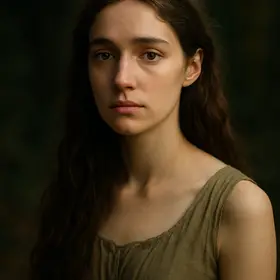
Helena in A Midsummer Night's Dream
Major character
One of four Athenian lovers; loyal, insecure woman who pursues Demetrius and becomes central to the forest’s enchanted confusions.
Who is Helena?
Helena is an Athenian woman who loves Demetrius despite his scorn and unrequited treatment. In the court she laments that Demetrius prefers Hermia and, when Hermia and Lysander plan to flee Athens, Helena resolves to tell Demetrius of their flight in hopes of winning his gratitude. Her persistent pursuit brings her into the enchanted wood with Demetrius, where Oberon plans to rectify the lovers’ affairs. When Puck mistakenly anoints Lysander’s eyes, Lysander awakes and professes sudden love for Helena; Demetrius later receives the same enchantment and also falls passionately for her. Helena interprets these declarations as cruel mockery and believes her friends have conspired against her, provoking anguished exchanges among the four lovers. By dawn, after Oberon and Puck correct the errors and the lovers are found sleeping, Demetrius’s final declaration of love for Helena remains: Theseus accepts the reconciled pairs, and Helena’s devotion is rewarded with an acknowledged match and a place in the triple wedding celebrations.
In the book: Helena is one of the four young lovers of Athens whose tangled affections drive much of the play’s comedy and misadventure. Loyal yet insecure, she pursues Demetrius with unwavering devotion, setting off a chain of misunderstandings that carry the lovers into the enchanted forest, where magic complicates and ultimately clarifies their relationships. Her role embodies themes of unrequited love, friendship, and the folly and resilience of the heart.
Personality
- Loyal
- She resolves to tell Demetrius of Hermia’s flight explicitly to gain his favor, following him breathlessly into the wood (Act 1, Scene 1; Act 2, Scene 1).
- Insecure
- She repeatedly laments that Demetrius loves Hermia and not her, interpreting the lovers’ enchanted professions as mockery (Act 1, Scene 1; Act 2, Scene 2; Act 3, Scene 2).
- Persistent
- She follows Demetrius and pleads with him in the wood despite his harsh rejections, insisting on winning him back (Act 2, Scene 1).
- Jealous
- After Lysander and Demetrius declare love for her, she believes they are mocking Hermia and herself, erupting into accusations and hurt (Act 3, Scene 2).
- Resilient
- Despite humiliation and apparent betrayal, she endures the night’s confusions and is present at the reconciled dawn when Demetrius finally declares faithful love (Act 4, Scene 1).
Character arc
Helena begins as an anxious, unreciprocated lover who seeks to secure Demetrius’s affection by betraying Hermia’s escape plan; this choice propels her into the woodland and into the centre of magical interference. Initially she is scorned and humiliated — following Demetrius and being dismissed — yet she persists, and the forest’s enchantments suddenly transform the romantic balance: Lysander and then Demetrius profess passionate love for her. Rather than feeling triumphant, Helena interprets these declarations as ridicule and becomes distraught, believing Hermia and the two men mock her, which intensifies the quarrel among the four lovers. After Oberon and Puck correct Puck’s mistake and the group is discovered by Theseus and company, Helena ends the play having moved from unrequited desperation to being the acknowledged object of Demetrius’s genuine love. Her experience shifts her from pleading outsider to accepted bride-to-be, but the movement is complicated by her wounded pride and the play’s oscillation between genuine feeling and enchanted artifice.
Relationships
- Demetrius The man she ardently pursues; he scorns her at first but ultimately (after enchantment) declares faithful love for her.
- Hermia Her close friend and rival: Helena admires Hermia’s beauty but later believes Hermia has conspired to mock her, causing a painful breach.
- Lysander Hermia’s lover who, through Puck’s mistake, briefly becomes infatuated with Helena and furthers the lovers’ confusion.
- Oberon A controlling supernatural presence whose decision to use the love flower sets in motion the events that alter Helena’s romantic fate.
- Puck The mischievous sprite whose error in anointing the wrong Athenian’s eyes directly causes Lysander to love Helena and deepens her crisis.
Quotes by Helena
“Love looks not with the eyes, but with the mind; And therefore is wing'd Cupid painted blind.”
Act 1, Scene 1Helena philosophizes about love’s irrationality as she laments that Demetrius loves Hermia while she loves him, highlighting love’s blindness.
“I am your spaniel; and, Demetrius, The more you beat me, I will fawn on you.”
Act 2, Scene 1Helena's self-abasing speech reveals the depth of her unrequited devotion and sets up the emotional stakes that Oberon intends to alter.
“Wherefore was I to this keen mockery born? When at your hands did I deserve this scorn?”
Act 2, Scene 2Helena reacts in despair and self-reproach to what she believes is Lysander’s mockery and inconstancy.
Why Helena matters
Helena embodies themes of unrequited love, vulnerability, and the absurd lengths desire drives people to. Her pursuit of Demetrius and subsequent humiliation underscore love’s power to distort judgment and friendship. The enchanted reversals that make others love her explore the play’s question of whether love is authentic or imposed; Helena’s conflicting joy and hurt after the lovers’ confessions highlight Shakespeare’s interest in love as both folly and fate. Ultimately she represents resilience: despite rejection and mockery she endures and is integrated into the social order the play restores at its close.
Chapters with Helena
More A Midsummer Night's Dream characters
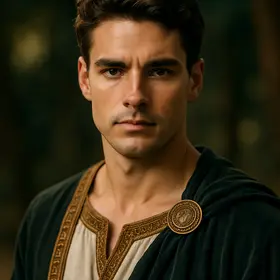 DemetriusMajor character
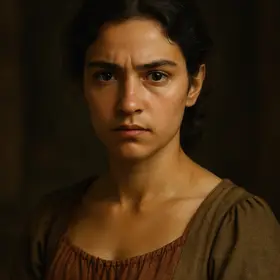 HermiaMajor character
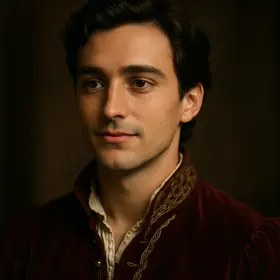 LysanderMajor character
 PuckMajor character
 OberonMajor character
 Peter QuinceMajor character
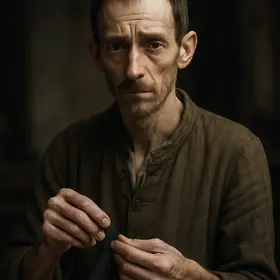 Robin StarvelingMinor character
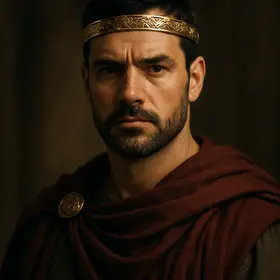 TheseusMajor character
All chapter summaries ›Characters ›
Read A Midsummer Night's Dream illustrated
Every scene in these notes comes from the Book2Life reader, where the full public-domain text is illustrated as you read, with character portraits and narration. Free in your browser and on iPhone.
Read A Midsummer Night's Dream free
