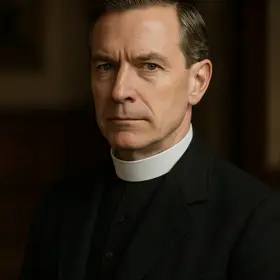
Mr. Eager in A Room with a View
Minor character
An Anglican chaplain in Florence who enforces propriety and gossips about the Emersons, acting as a social authority for English visitors.
Who is Mr. Eager?
Mr. Eager is an English Anglican chaplain resident in Florence who appears chiefly as a guide and social arbiter for visiting English tourists. He proposes and leads polite excursions, offers local knowledge, and asserts the moral standards of his countrymen abroad. In Chapter 5 he invites Lucy and Charlotte on a drive in the hills, participating in the small-talk and shopping that structure their morning; his conversation turns censorious when he gossips about the Emersons and even repeats an accusation that Mr. Emerson “murdered his wife,” which shocks Lucy. Mr. Eager’s interventions help define the conservative social environment Lucy navigates: he polices reputation, reinforces Miss Bartlett’s prudence, and provides a contrast to the frankness of the Emersons. He does not drive major plot events himself but his presence helps shape Lucy’s impressions of respectability and the social pressures that complicate her feelings.
In the book: Mr. Eager is an Anglican chaplain in Florence who serves as a guide and social authority for English visitors abroad. He embodies conventional propriety and moral fastidiousness, often steering conversations and outings to uphold decorum while subtly policing others’ behavior. His attitudes and interventions provide a foil to freer, more open characters, shaping Lucy’s early impressions of society and travel without determining her ultimate choices.
Personality
- Conventional
- He takes on the role of guardian of English propriety while guiding Lucy and Charlotte on their morning outing in Chapter 5.
- Sanctimonious
- He speaks sharply about the Emersons’ morality and repeats a grave slander that Mr. Emerson had ‘murdered his wife,’ showing moral fastidiousness.
- Well-connected
- He presents himself as a knowledgeable resident of Florence who can invite and escort English visitors on drives and excursions.
- Gossipy
- During the drive with Lucy and Charlotte he engages in gossip about the Emersons’ background and reputation.
Character arc
Mr. Eager remains essentially unchanged from his first appearance to his later mentions. He is introduced as a local English chaplain who offers companionship and direction to tourists; in the one substantial scene where he appears he acts consistently with that first impression—organizing an outing, providing local authority and social judgment. His chief dramatic function is static: he represents the established, censorious English view in Florence and thereby heightens the contrast with freer characters such as Mr. Emerson and George. He does not undergo personal development or reveal hidden layers; instead, his unvarying propriety and readiness to gossip expose the social pressures and moral hypocrisies that shape Lucy’s early decisions. By remaining a stable embodiment of conventional opinion, Mr. Eager helps to map the social landscape Lucy must navigate without altering course himself.
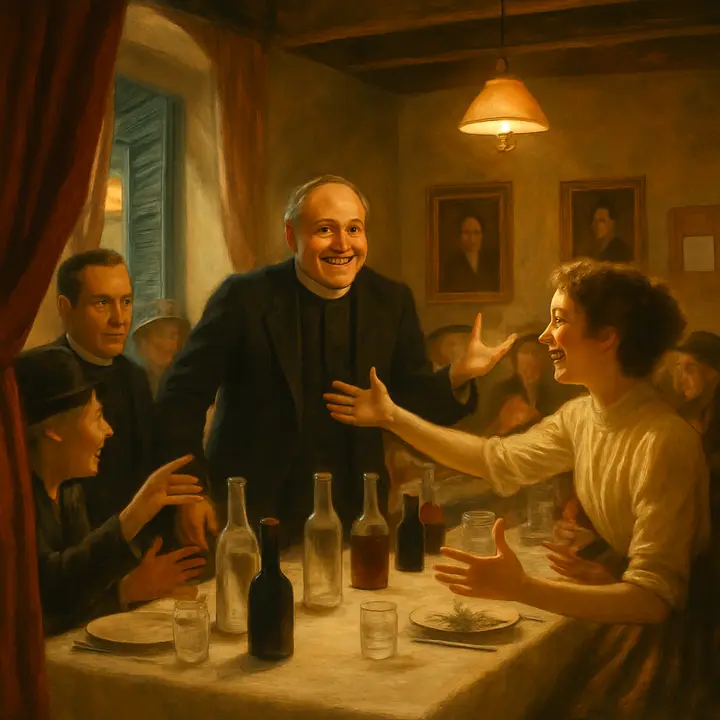
Mr. Eager in pictures
Relationships
- Lucy Honeychurch He guides and lectures Lucy during a morning drive, influencing her impressions of propriety and the Emersons.
- Charlotte Bartlett He reinforces Charlotte’s prudential outlook by participating in gossip and shared judgments about other guests.
- Mr. Emerson He speaks ill of Mr. Emerson and repeats a serious slander, marking him as a moral opponent of the Emersons’ frankness.
- Miss Lavish He shares the social scene with Miss Lavish on the outing, providing a conventional counterpoint to her sensationalism.
- The Miss Alans As a resident guide, he interacts in the same English social circle abroad that includes the Miss Alans and other visitors.
Quotes by Mr. Eager
“Pull out from the depths those thoughts that you do not understand, and spread them out in the sunlight and know the meaning of them.”
Chapter 2Mr. Emerson urges Lucy to help his son by exploring and expressing inner feelings—an appeal to personal growth and sympathy.
“If Miss Honeychurch ever takes to live as she plays, it will be very exciting both for us and for her.”
Chapter 3Mr. Beebe’s remark highlights Lucy’s potential to live boldly and frames his interest in her future conduct.
“For that man has murdered his wife in the sight of God.”
Chapter 5Mr. Eager’s shocking public accusation about Mr. Emerson escalates gossip into moral condemnation and embarrasses Lucy.
“Courage, Miss Honeychurch, courage and faith. If I might say so, there is something almost blasphemous in this horror of the elements.”
Chapter 7Mr. Eager’s officious attempt to comfort Lucy during the storm, revealing his moralizing manner and Charlotte’s reliance on other protectors.
“‘Life’ wrote a friend of mine, ‘is a public performance on the violin, in which you must learn the instrument as you go along.’”
Chapter 19Mr. Emerson uses this aphorism to warn Lucy that life must be learned by practice and that muddle—her present evasion—is dangerous.
““You love George!””
Chapter 19A sudden, blunt declaration that breaks through Lucy’s evasions and forces her to confront the depth of her feeling.
Why Mr. Eager matters
Mr. Eager functions as a moral and social foil: his strict adherence to decorum and readiness to slander mark the conservative, reputational forces that constrain characters like Lucy. By voicing gossip and judgment he dramatizes themes of social policing, hypocrisy, and the clash between outward respectability and inward truth. His presence clarifies the pressures to conform that Lucy must resist if she is to follow her own feelings, and he helps define the Emersons’ role as disruptive moral truth-tellers by contrast.
Chapters with Mr. Eager
More A Room with a View characters
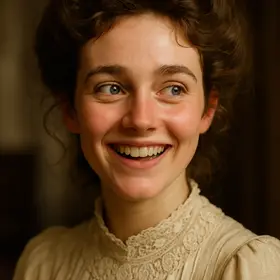 Lucy HoneychurchProtagonist
 Freddy HoneychurchMinor character
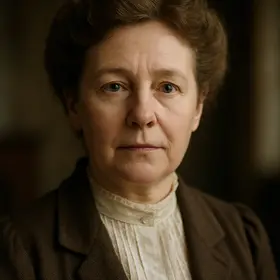 Mrs. HoneychurchMajor character
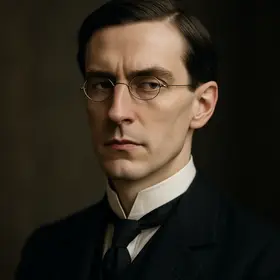 Cecil VyseAntagonist
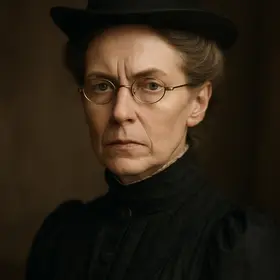 Charlotte BartlettMajor character
 George EmersonMajor character
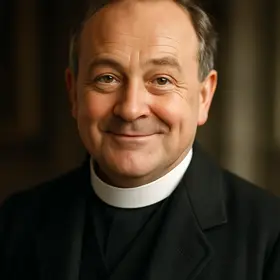 Mr. BeebeMajor character
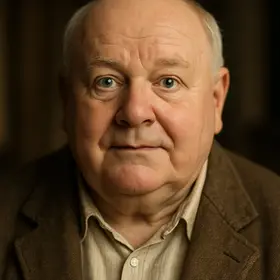 Mr. EmersonMajor character
All chapter summaries ›Characters ›
Read A Room with a View illustrated
Every scene in these notes comes from the Book2Life reader, where the full public-domain text is illustrated as you read, with character portraits and narration. Free in your browser and on iPhone.
