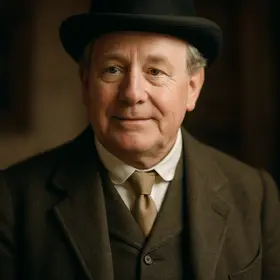
Sir Harry Otway in A Room with a View
Minor character
A local baronet and landlord who fusses about tenants and upholds Edwardian respectability in Windy Corner.
Who is Sir Harry Otway?
Sir Harry Otway is a minor but telling local baronet and landlord in the Windy Corner neighbourhood. He spends his time worrying over who should be allowed to occupy the new villas on Summer Street and fretting about the social consequences of shabby tenants; in Chapter 9 he voices anxiety about the appearance of the new houses and their occupants. He consults neighbours and appears attentive to the opinions of clergy and established families, embodying provincial conventions of class and respectability. Though he is not central to the plot, his mannered interventions—polite, slightly muddled, and quick to judge—help create the social pressure and gossip that shape other characters’ choices. In Chapter 11 he meets Mr. Emerson when the newcomers arrive, registering the encounter with the same civic awkwardness that defines him. Sir Harry’s visible concern about tenants and social order indirectly contributes to the living arrangements and neighbourhood tensions that influence Lucy, Cecil, and the Emersons, even though he never drives the main action himself.
In the book: A minor but telling figure, Sir Harry Otway is a local baronet and landlord near the Honeychurches who fusses over whom to let his houses to, consulting neighbors and clergy. His polite, slightly muddled interventions reflect Edwardian social conventions about class and respectability, and he inadvertently helps set in motion living arrangements that influence the story’s relationships without being central to the plot.
Personality
- fastidious
- In Chapter 9 he frets aloud about the two vulgar new villas on Summer Street and worries who will be rented into them.
- conventional
- He reflects Edwardian ideas of respectability by consulting neighbours and clergy about proper tenants and social standards.
- polite
- In Chapter 11 he meets Mr. Emerson with civil restraint, showing the courteous manners expected of a baronet.
- muddled
- His interventions are characterized as slightly confused and anxious, more concerned with appearances than decisive action (Chapter 9).
- inadvertent influencer
- Though he only comments on tenants, his attitudes contribute to the neighbourhood atmosphere that allows the Emersons’ arrival to matter (Chapters 9–11).
Character arc
Sir Harry Otway’s role is static rather than developmental: he appears as a steady embodiment of local propriety and remains so to the end of his appearances. From his first visible moment in Chapter 9—worrying about the new villas and their likely tenants—he consistently represents conservative anxieties about social decline and the maintenance of status. He continues in Chapter 11 to play the part of the courteous, slightly flustered gentleman who meets newcomers and registers their presence with a mix of civility and unease. He neither experiences a private crisis nor undergoes a radical change of heart; instead his constant fussing and consultations help set the social scene and provoke reactions from more dynamic characters. The result is that Sir Harry’s small, repetitive interventions—his complaints about taste, his deference to neighbors and clergy, his polite reception of Mr. Emerson—function as part of the community machinery that constrains and propels others rather than as the focus of an individual arc.
Relationships
- Mrs. Honeychurch Neighbour and fellow local concerned with maintaining Windy Corner’s social tone.
- Mr. Emerson Polite acquaintance who meets Mr. Emerson when the Emersons move into the neighbourhood (Chapter 11).
- Cecil Vyse Fellow member of local society whose disdain for provincial snobbery contrasts with Sir Harry’s conservatism (Chapter 9 context).
- Miss Alans Figures in his tenant worries; their displacement and reactions become part of the local talk he participates in.
- Mr. Beebe Local clergyman whose opinions and social mediation Sir Harry respects as part of community consultation.
Why Sir Harry Otway matters
Sir Harry Otway embodies the novel’s portrait of Edwardian social conventions: deference, class-consciousness, and a preoccupation with appearances. He represents the conservative forces that measure people by houses, manners and neighborhood respectability. Though he does not drive the plot, his fussing and polite judgments help create the social pressure-cooker in which Lucy’s choices, gossip, and embarrassments acquire weight. By existing mostly as a gentle upholder of propriety, Sir Harry highlights the novel’s themes of social constraint versus personal authenticity and shows how ordinary, well-meaning figures can shape — often inadvertently — the lives and relationships of others.
Chapters with Sir Harry Otway
More A Room with a View characters
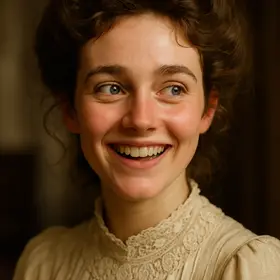 Lucy HoneychurchProtagonist
 Freddy HoneychurchMinor character
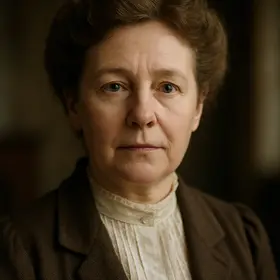 Mrs. HoneychurchMajor character
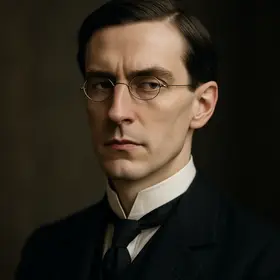 Cecil VyseAntagonist
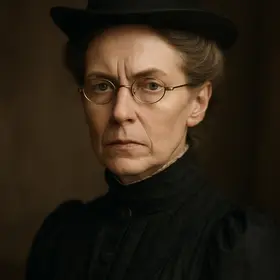 Charlotte BartlettMajor character
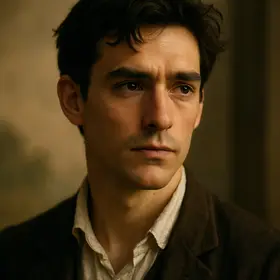 George EmersonMajor character
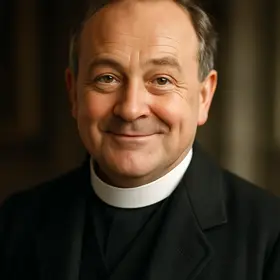 Mr. BeebeMajor character
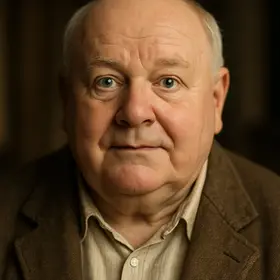 Mr. EmersonMajor character
All chapter summaries ›Characters ›
Read A Room with a View illustrated
Every scene in these notes comes from the Book2Life reader, where the full public-domain text is illustrated as you read, with character portraits and narration. Free in your browser and on iPhone.
