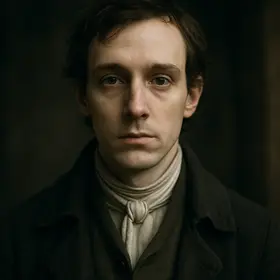
Roger Cly in A Tale of Two Cities
Minor character
An English spy and paid informer whose dubious testimony and staged “death” reveal the murky world of informers.
Who is Roger Cly?
Roger Cly is a minor but consequential English spy and servant-informer who appears as a witness at Charles Darnay’s treason trial and later becomes part of a scandalous public funeral in London. At the trial he delivers testimony supporting the prosecution’s claim that the prisoner carried secret papers and met suspicious French contacts. His credibility is shaky but his presence bolsters the Attorney-General’s case. Later, popular contempt transforms the news of his death into a carnival in Fleet Street, where his mock-funeral and burial are enacted by a jeering mob; yet Jerry Cruncher’s later revelation that Cly was not truly buried exposes the deceptions surrounding informers. Cly functions as a hinge between London legal intrigues and the darker network of spies tied to events in France, and his disappearance and reported “death” feed into the maneuvers used by other characters to exert pressure or extract advantage.
In the book: Roger Cly is a minor yet pivotal English spy and informer, closely linked with John Barsad. He appears at Charles Darnay’s trial to offer dubious testimony and later becomes a thread connecting the novel’s London intrigues with events in revolutionary France. His secretive movements and questionable “death” help expose the murky world of informers that shadows the main characters.
Personality
- Deceptive
- At Darnay’s trial he gives partisan testimony about lists and meetings that supports the prosecution despite contradictions in the case.
- Ambiguous loyalty
- He appears as a patriotic witness in court yet later is denounced in the streets as an 'Old Bailey spy,' suggesting shifting public opinion about his motives.
- Instrumental
- His reported death and burial become tools and talking points—Jerry Cruncher’s discovery that he was not really buried is used to unsettle others.
- Shadowy
- He is linked with John Barsad and the network of informers that Carton and others manipulate from the wings.
Character arc
Roger Cly’s presence in the chapters moves from active, if questionable, witness to a symbolic casualty of popular contempt. He first appears in court as a servant-witness whose testimony supports the Attorney-General’s charge against Charles Darnay, helping build the prosecution’s narrative of secret communications with France. That public role casts him as part of the mechanisms of state accusation. Later, word of his death sparks a grotesque public pageant in Fleet Street: a mock-funeral and burial staged by an irreverent mob that turns the informer into a figure of ridicule. The chestnut of his ‘death’ does not end his usefulness, however; Jerry Cruncher’s nighttime activities and later revelation that Cly was not truly buried expose deception and keep Cly’s name alive as leverage. He never returns to defend himself in these notes; instead his supposed fate and the half-truths about it underline the perilous and expendable position of informers, while providing material other characters use in private maneuvers. Thus Cly moves from active accuser to a controversial relic whose ambiguous end fuels scandal and strategy.
Relationships
- John Barsad Close associate in the informer/spy network; their careers and reputations are linked and mutually compromising.
- Charles Darnay Adversarial: Cly testifies at Darnay’s treason trial in support of the prosecution’s case.
- The Attorney-General Professional ally whose energetic prosecution relies on Cly’s testimony to paint Darnay as a traitor.
- Jerry Cruncher Indirectly opposed: Jerry participates in the mobish burial of Cly and later exposes that Cly was not truly buried.
- Sydney Carton Instrumental connection: Carton uses the atmosphere around informers like Cly and Barsad in his calculated dealings with Barsad.
Why Roger Cly matters
Roger Cly embodies the novel’s critiques of false witness, the corrupt machinery of accusation, and the slipperiness of truth in both legal and popular arenas. His doubtful testimony at a capital trial and the grotesque public treatment of his death expose how systems of power and public opinion can manufacture guilt and then discard the instruments of that manufacture. Cly’s ambiguous fate links London’s petty, corrupt intrigues with the larger, violent reckonings unfolding in France, reinforcing themes of betrayal, expendability, and the moral murk surrounding justice.
Chapters with Roger Cly
More A Tale of Two Cities characters
 Dr. ManetteMajor character
 Lucie ManetteMajor character
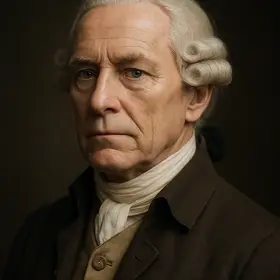 Jarvis LorryMajor character
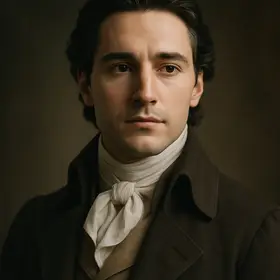 Charles DarnayProtagonist
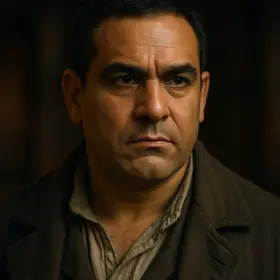 Ernest DefargeMajor character
 Madame DefargeAntagonist
 Miss ProssMajor character
 Sydney CartonProtagonist
All chapter summaries ›Characters ›
Read A Tale of Two Cities illustrated
Every scene in these notes comes from the Book2Life reader, where the full public-domain text is illustrated as you read, with character portraits and narration. Free in your browser and on iPhone.
Read A Tale of Two Cities free
