Don Quixote Chapter 16 Summary
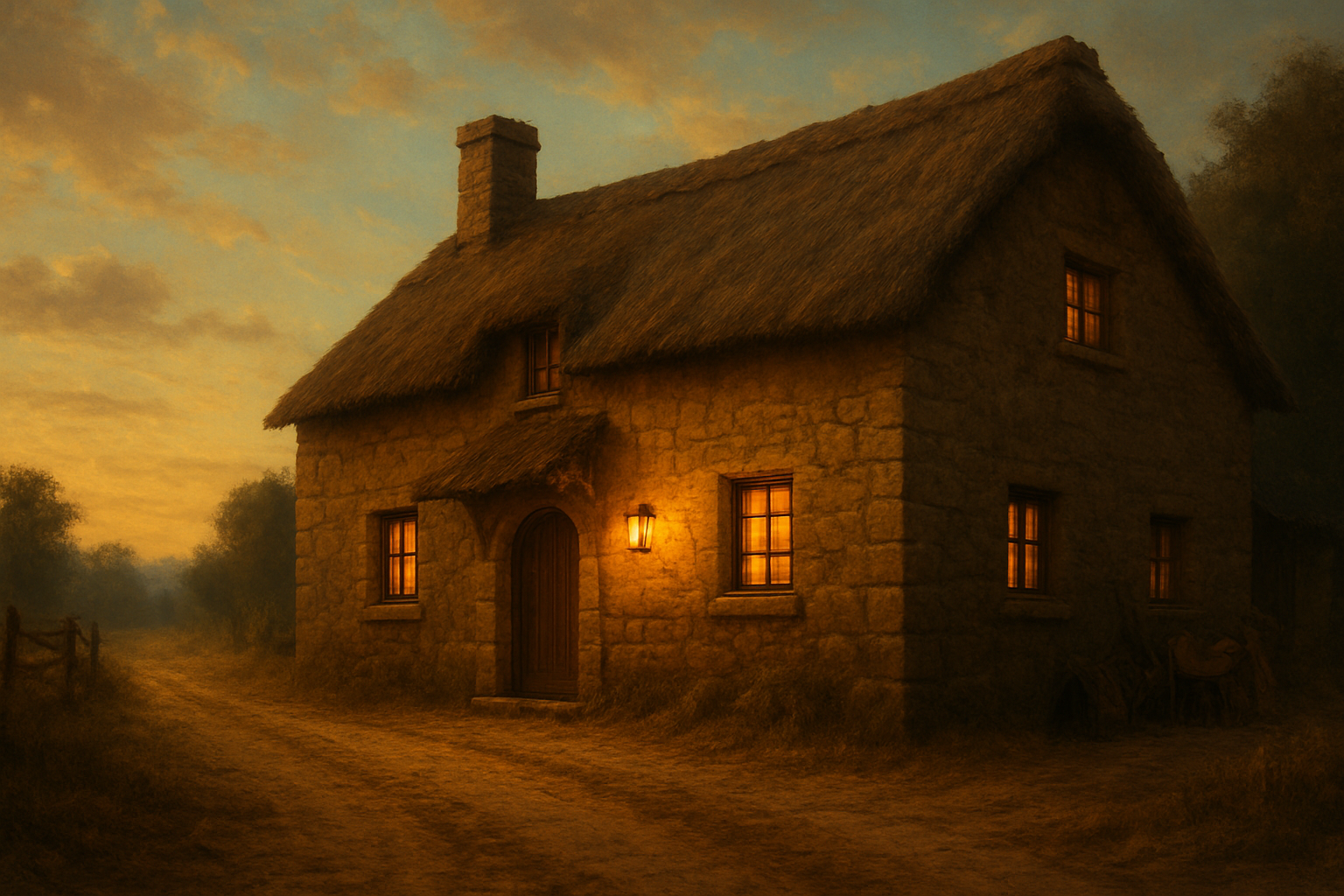
The Inn Mistaken for a Castle
Don Quixote is tended at an inn he imagines a castle; he mistakes Maritornes for a noble lady, a brawl breaks out, and a cuadrillero arrives.
Summary
Don Quixote and Sancho are lodged at an inn after their brutal beating; the innkeeper's kind wife, her daughter, and an Asturian servant named Maritornes dress Don Quixote's and Sancho's wounds and prepare beds in a garret that used to be a straw-loft. Sancho explains to the women who his master is and jokes about the fortunes of a knight-errant, while Don Quixote, half-conscious and full of chivalric fantasies, thanks his host and offers gallant praise to the hostess and her daughter.
As night deepens, the customary silence and Don Quixote's wounded, fevered imagination transform the common inn into a noble castle: he persuades himself that Maritornes is a highborn lady secretly coming to his bed out of love. He restrains himself out of fidelity to Dulcinea, but when Maritornes enters seeking the carrier with whom she has an assignation, Don Quixote seizes her in affectionate, deluded embrace. The carrier, jealous and awake, strikes Don Quixote and tramples him; the bed collapses, waking the innkeeper and precipitating a chaotic meleé—Sancho, Maritornes, the carrier, and the innkeeper trade blows in the dark until the inn's lantern is extinguished. A caudrillero of the Holy Brotherhood hears the commotion, bursts in, mistakes the senseless Don Quixote for a murdered man, and cries to secure the inn, then goes for light to examine and arrest the supposed culprits.
Key events
- Innkeeper's family and Maritornes tend Don Quixote and Sancho's wounds.
- Don Quixote delivers chivalric compliments and pledges gratitude to the hostess.
- Night's silence prompts Don Quixote to imagine the inn a castle and Maritornes a noble lady.
- Don Quixote seizes Maritornes; the jealous carrier attacks and tramples him.
- A chaotic fight erupts among Sancho, Maritornes, the carrier, and the innkeeper in the dark.
- A cuadrillero of the Holy Brotherhood bursts in, believing Don Quixote is dead, and secures the inn.
Chapter 16 in pictures


Analysis
This chapter reinforces two recurring elements of the novel: Don Quixote's persistent conflation of literary romance and gritty reality, and the comic consequences that follow. The inn-as-castle delusion stages, in miniature, his habit of reimagining ordinary people as figures from chivalric tales; Maritornes' transformation in his mind—sackcloth to silk, beads to pearls—exposes how perception is governed by desire and cultural script, not by sensory fact. The episode also sharpens the novel's social contrast: the romantic language of noble ideals collides with the coarse material world of servants, carriers, and an embittered innkeeper, producing farce and physical humiliation rather than heroic success.
Structurally, the chapter provides a comic set piece that interrupts and humanizes the larger quest narrative, showing how local incidents expose Don Quixote's vulnerabilities (his injured body, his moral anxieties about Dulcinea) and Sancho's earthbound practicality and loyalty. The narrator's aside praising historians and naming Cide Hamete Benengeli toys with authorial voice and irony, reminding readers of the framed, mediated nature of the tale. The arrival of the cuadrillero introduces official authority and anticipates legal or social consequences, while the confusion and darkness literalize the theme of misperception: characters cannot see clearly—physically or morally—and the result is violence and misunderstanding rather than chivalric recognition.
Important quotes
“Don Quixote of La Mancha," answered Sancho Panza, "and he is a knight-adventurer, and one of the best and stoutest that have been seen in the world this long time past.”
Sancho PanzaSancho introduces his master to the inn's servants, framing Don Quixote's identity in comic, boastful terms.
“This strange stillness, and the thoughts, always present to our knight’s mind, of the incidents described at every turn in the books that were the cause of his misfortune, conjured up to his imagination as extraordinary a delusion as can well be conceived, which was that he fancied himself to have reached a famous castle”
NarratorNarrator explains how the quiet night and Don Quixote's reading habit generate the central delusion of the chapter.
“Would that I found myself, lovely and exalted lady, in a position to repay such a favour as that which you, by the sight of your great beauty, have granted me;”
Don QuixoteDon Quixote addresses Maritornes in the language of courtly love, revealing how his imagination transmutes the servant into an exalted mistress.
Characters in Chapter 16
- Don Quixote
- Sancho Panza
- Maritornes
- The Innkeeper
- The Innkeeper's wife
- The Innkeeper's daughter
- The Carrier
- Caudrillero (Old Holy Brotherhood)
- Dulcinea del Toboso
- Cide Hamete Benengeli
All chapter summaries ›Characters ›
Read Don Quixote illustrated
Every scene in these notes comes from the Book2Life reader, where the full public-domain text is illustrated as you read, with character portraits and narration. Free in your browser and on iPhone.
