Don Quixote Chapter 3 Summary
A Talk about the Book
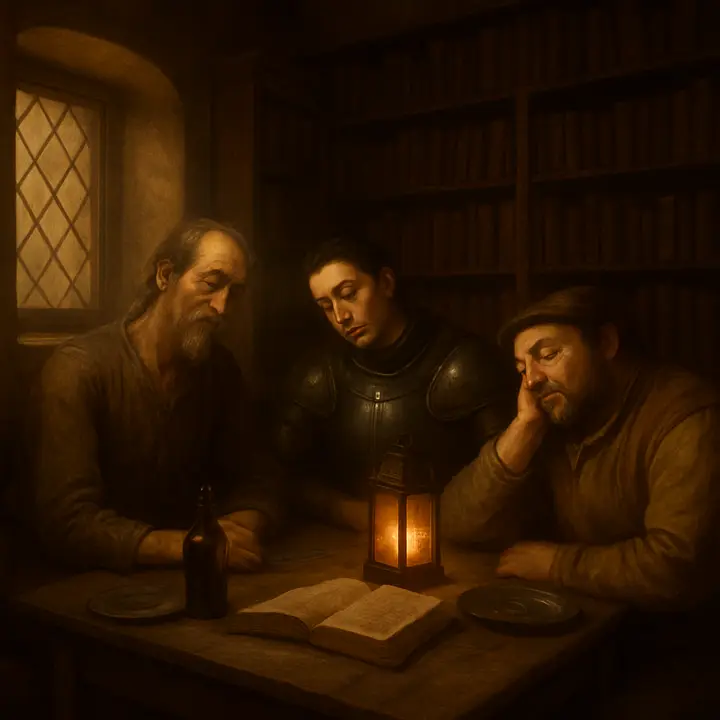
Don Quixote, Sancho, and the bachelor Samson Carrasco discuss a printed history of Don Quixote and argue about truth, fame, and books.
Summary
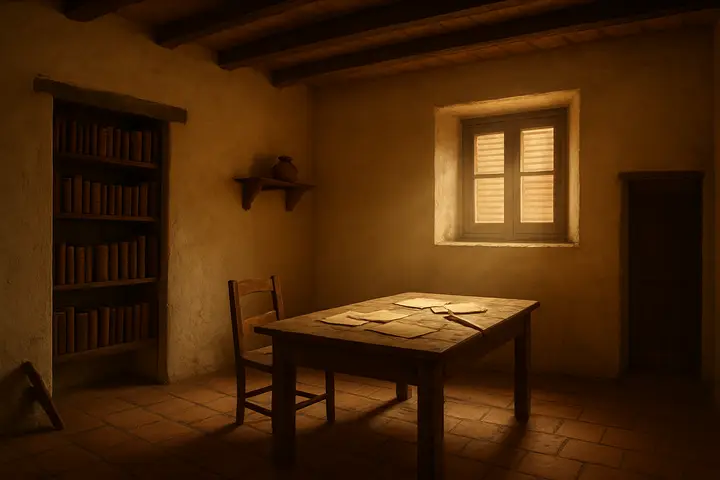
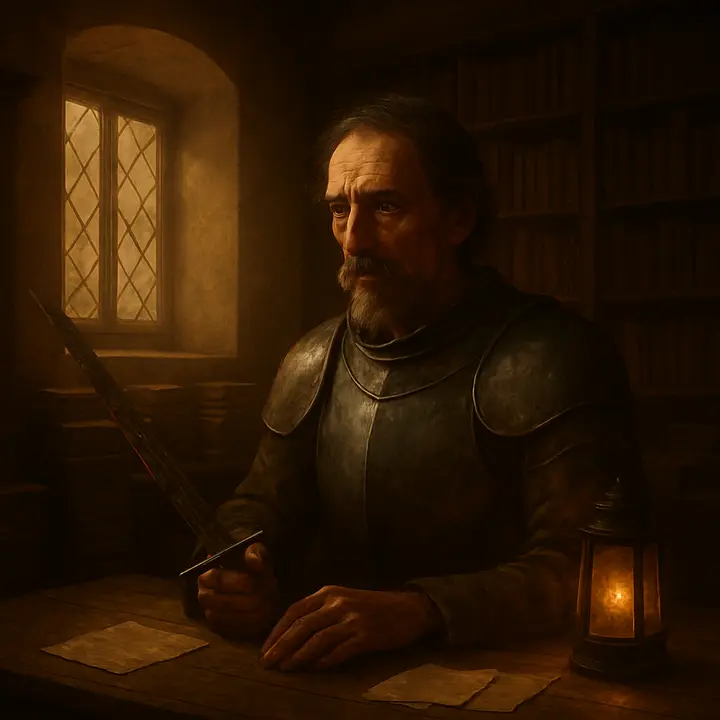
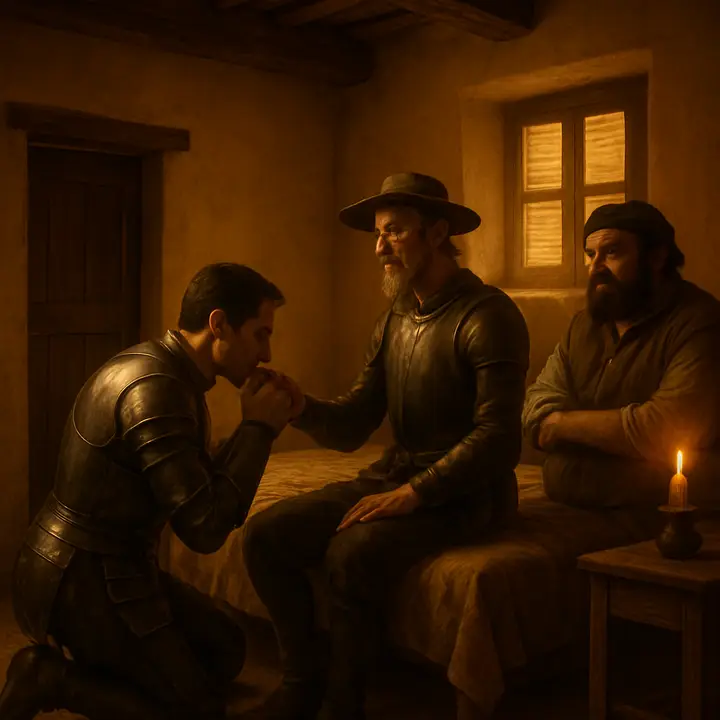
Don Quixote sits lost in thought, fretting that a written history of his recent exploits might already be in circulation; he cannot reconcile his fresh deeds with the idea of them already set in print. Worried the author may be a Moor (a "Cide") and that his lady Dulcinea del Toboso may be misrepresented, he imagines the historian might either magnify or debase his actions. Sancho and the bachelor Samson Carrasco arrive; Carrasco greets Don Quixote with mock homage and asserts that the Moorish author Cide Hamete Benengeli has indeed recorded the knight’s deeds and that the book is widely read and admired.
The men debate which of Don Quixote’s adventures are best known (windmills, fulling mills, galley slaves, the Yanguesan exploit, etc.). They argue over fidelity to truth in history versus poetic license: poets may embellish while historians must report events as they occurred. Sancho frets that his own misfortunes and comic episodes are surely in the book; Carrasco and Don Quixote trade jests about wording and style. They also criticize the author for inserting an irrelevant novel and for alleged omissions (the stolen ass, the hundred crowns). Sancho departs for home ill at stomach, promising to return after dinner; Don Quixote and Carrasco dine together, continue their talk on chivalry, and nap, with the conversation resuming when Sancho returns.
Key events
- Don Quixote worries a history of his exploits exists and frets about its author and portrayal of Dulcinea.
- Samson Carrasco arrives and mockingly praises Don Quixote and the alleged Moorish author, Cide Hamete Benengeli.
- They debate which adventures are most famous and whether the book is truthful or embellished.
- Discussion about historian vs. poet: fidelity to facts versus idealizing characters.
- Sancho worries his own blows and the island-governorship are recorded; complains about omissions like the stolen ass and the hundred crowns.
- Sancho leaves ill; Don Quixote and Carrasco dine, sleep, and resume conversation after Sancho returns.
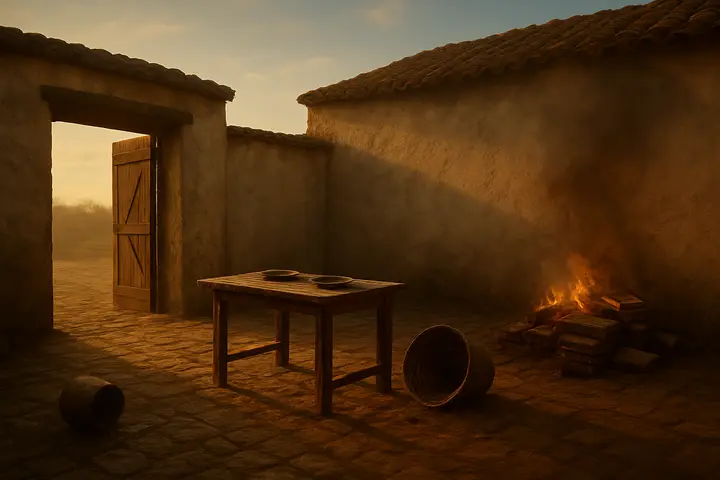
Chapter 3 in pictures
Analysis
This chapter foregrounds one of Don Quixote’s central concerns: how his identity and deeds will be represented and judged by readers. By staging a self-referential conversation about a book that records the protagonists’ actions, Cervantes introduces metafictional play early in the narrative—characters discuss the very text the reader holds. The exchange between Don Quixote and Samson Carrasco balances mockery with genuine argument: Carrasco’s waggish praise and cataloguing of famous episodes (windmills, galley slaves, etc.) both flatten and magnify Quixote’s heroic self-image. The debate about poet versus historian establishes a recurring theme—truth versus appearance—and frames Don Quixote’s insistence on moral and historical legitimacy.
Sancho’s earthy interventions provide comic grounding and a counterpoint to lofty theory: his concern for practical details (his ass, the hundred crowns, island government) highlights the social and material costs of Quixote’s adventures. The chapter also begins to sketch Carrasco’s role as a witty foil who can partake in chivalric talk while undermining it. Symbolically, the imagined printed book represents fame, public reputation, and the anxiety of being read. Structurally, the scene develops character through dialogue rather than action and sets up the novel’s sustained interest in storytelling, authorship, and audience reception.
Important quotes
“So, then, it is true that there is a history of me, and that it was a Moor and a sage who wrote it?”
Don QuixoteQuixote reacts with disbelief and anxiety on learning a book claims to record his deeds and suspects a Moorish author.
“Let me kiss your mightiness’s hand, Señor Don Quixote of La Mancha, for, by the habit of St. Peter that I wear, though I have no more than the first four orders, your worship is one of the most famous knights-errant that have ever been, or will be, all the world over.”
Samson CarrascoSamson adopts mock-solemn flattery on arrival, both praising and gently ridiculing Don Quixote to set a jocular tone.
“There is no book so bad but it has something good in it,”
Samson CarrascoCarrasco defends the merits of printed works and moderates the criticism of authors and their faults.
Characters in Chapter 3
- Don Quixote
- Sancho Panza
- Samson Carrasco
- Cide Hamete Benengeli
- Dulcinea del Toboso
- Orbaneja
- El Tostado
- Æneas
- Ulysses
- Virgil
- Homer
All chapter summaries ›Characters ›
Read Don Quixote illustrated
Every scene in these notes comes from the Book2Life reader, where the full public-domain text is illustrated as you read, with character portraits and narration. Free in your browser and on iPhone.
