Don Quixote Chapter 4 Summary
Sancho Replies and Plans
Sancho explains the loss of his ass, defends his spending, debates prospects of a second part, and Don Quixote readies a new sally.
Summary
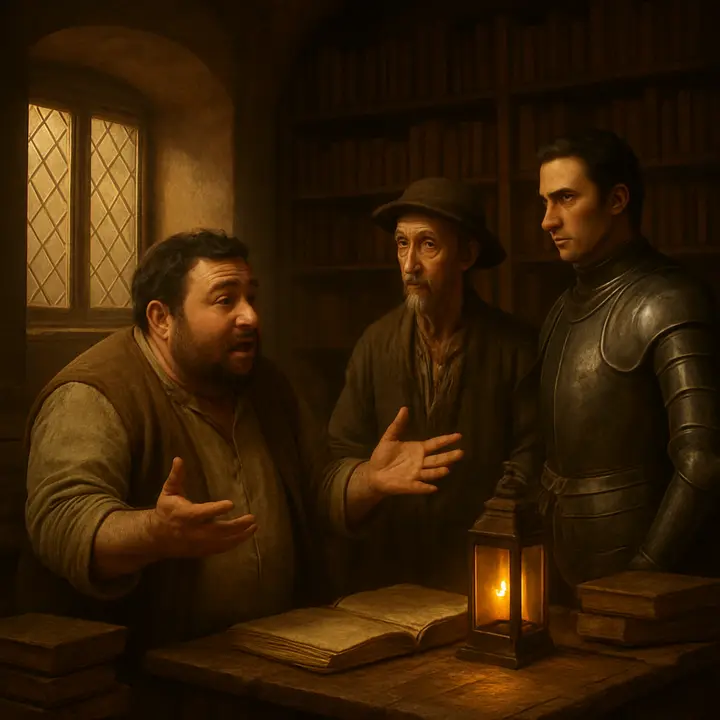
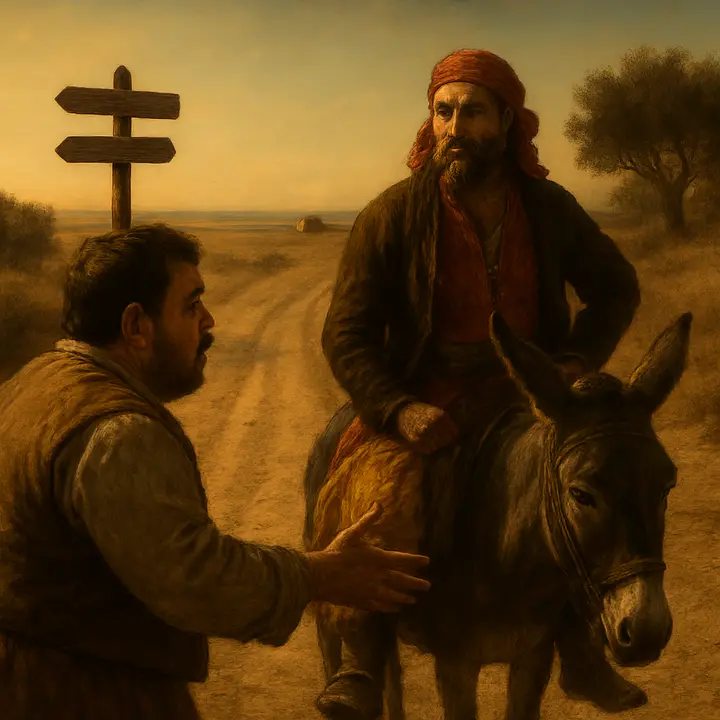
Sancho Panza returns to Don Quixote’s house and answers Samson Carrasco’s questions about how and when his ass was stolen, recounting that he slept so soundly in the Sierra Morena that someone removed the animal from beneath him. He identifies Ginés de Pasamonte later as the rider he saw in gypsy dress, and debates whether the historian who records these events made an error in saying Sancho rode the ass before it was recovered. Sancho also explains what became of the hundred crowns: he spent them on himself and his family, arguing that the bruises and hardships he endured justify the expense.
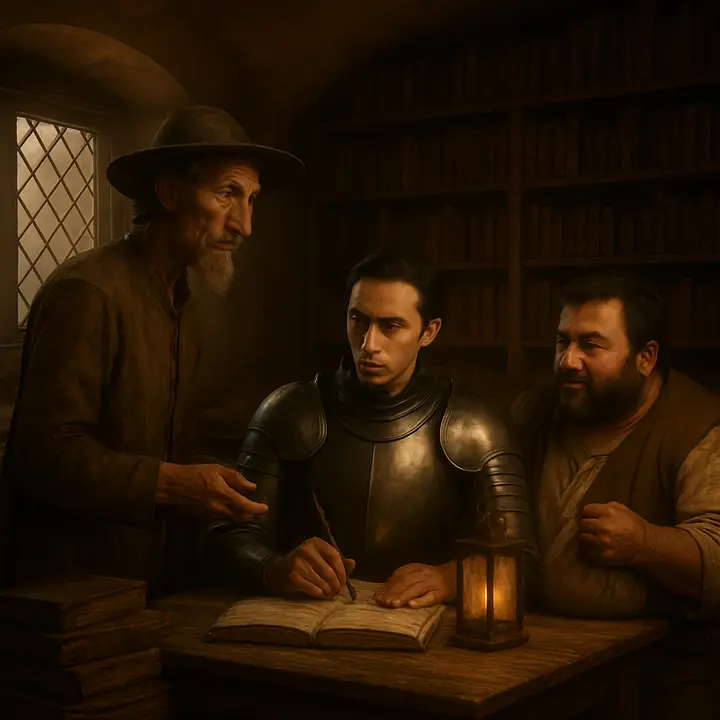
The bachelor and Don Quixote discuss the existence and possible publication of a second part of the history; Samson reports the author promises one but has not found the manuscript and may be motivated by profit. Sancho chimes in with blunt common sense about hasty authors and offers to supply as many adventures as needed. The neighing of Rocinante prompts Don Quixote to announce a new expedition in three or four days. Samson advises he go to Saragossa for the jousts of St. George but urges prudence, reminding Don Quixote his life serves others. Sancho declares he will not fight, only attend to comforts and hopes for the island or governorship his master promises; he insists he would remain true to himself even if raised to office. Don Quixote requests an acrostic poem spelling “Dulcinea del Toboso” and insists the departure be secret from the curate, Master Nicholas, his niece and housekeeper. Samson promises discretion and departs, and Sancho readies preparations for the forthcoming sally.
Key events
- Sancho explains how his ass was taken while he slept in the Sierra Morena.
- He identifies Ginés de Pasamonte as the rider he later saw on the ass.
- Sancho admits spending the hundred crowns and defends his expenditures.
- Samson and Don Quixote debate the existence and motives behind a second part of the history.
- Rocinante neighs; Don Quixote plans a new expedition and asks Samson’s counsel.
- Sancho states he will not fight but hopes for a governorship; Don Quixote requests an acrostic poem for Dulcinea.
- They agree to depart in three days and keep the plan secret from certain household members.
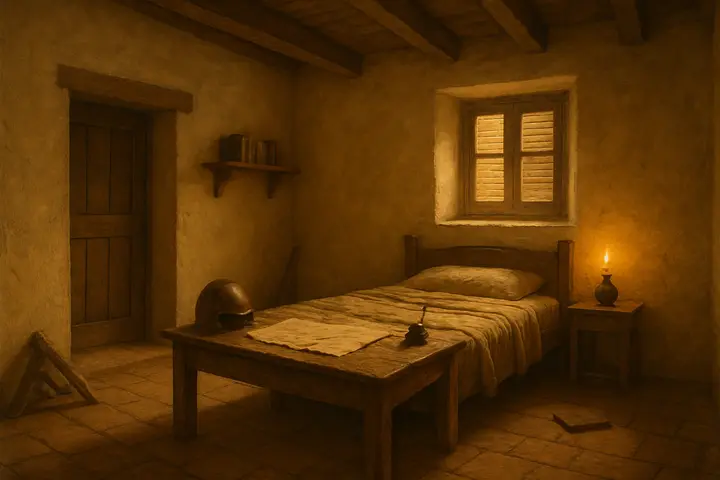
Chapter 4 in pictures
Analysis
This chapter blends comic exposition with character development and metafictional commentary. Sancho's pragmatic, earthy narration undercuts any romanticized account: his comic insistence on having spent the hundred crowns and on bodily bruises reframes the knight-errant’s adventures as materially costly, grounding the novel in everyday concerns. The exchange with Samson foregrounds skepticism toward authorship and textual authority—questions about chronological errors, missing manuscripts, and an author driven by profit introduce a self-aware, paratextual strain that recurs throughout the novel. Don Quixote’s desire for an acrostic for Dulcinea and his planning of a new sally reinforce his romantic idealism and ritualistic approach to knighthood, while Samson’s cautious counsel functions as counterpoint, urging prudence and social responsibility. Sancho’s comic politics about governorship—simultaneously eager and suspicious—reveals social mobility aspirations and distrust of honours changing a man’s character. Structurally, the chapter prepares the next expedition, setting temporal markers (three days) and maintaining narrative momentum. Symbols include Rocinante’s neigh as an omen and the missing ass as a reminder of disorder and deception in the world they traverse. The narrator’s and characters’ debate about the “author” also invites readers to question narrative reliability and to enjoy the interplay between story and commentary.
Important quotes
“I spent them for my own good, and my wife’s, and my children’s, and it is they that have made my wife bear so patiently all my wanderings on highways and byways, in the service of my master, Don Quixote;”
Sancho PanzaSancho defends having spent the hundred crowns on family needs and justifies the cost of his service to Don Quixote.
“All I say is, that if my master would take my advice, we would be now afield, redressing outrages and righting wrongs, as is the use and custom of good knights-errant.”
Sancho PanzaSancho urges action and offers to supply adventures, mixing loyalty with practical impatience for a new sally.
“Announcing his intention to the bachelor, he asked his advice as to the quarter in which he ought to commence his expedition, and the bachelor replied that in his opinion he ought to go to the kingdom of Aragon, and the city of Saragossa, where there were to be certain solemn joustings at the festival of St. George,”
NarratorNarrator reports Samson’s counsel that Don Quixote seek renown at the Saragossa joust, setting a specific goal for the next venture.
Characters in Chapter 4
All chapter summaries ›Characters ›
Read Don Quixote illustrated
Every scene in these notes comes from the Book2Life reader, where the full public-domain text is illustrated as you read, with character portraits and narration. Free in your browser and on iPhone.
