Don Quixote Chapter 62 Summary
The Enchanted Head
Don Antonio entertains Don Quixote and Sancho with a supposedly enchanted answering head and other diversions in his house and city.
Summary
Don Quixote is staying with Don Antonio Moreno, a rich, witty host who seeks harmless amusement by encouraging the knight’s delusions. Don Antonio parades Don Quixote through the city—stripping him of his armor, dressing him in a tawny surcoat, and even attaching a placard reading “This is Don Quixote of La Mancha” to his back—so townspeople and boys may admire and mock him. Sancho amuses the company with stories of his ten-day governorship of Barataria. At a supper and dance hosted by Don Antonio’s wife, Don Quixote makes a ludicrous figure yet insists on the primacy of his lady, Dulcinea, when flirted with; Sancho provides comic commentary and puts his master to bed.
Don Antonio then reveals an elaborate mechanical contrivance: a bronze-like bust on a jasper table that supposedly answers questions. He locks Don Quixote, Sancho, two ladies, and two friends in the chamber and has each in turn query the head. The head gives curt, often enigmatic replies—refusing to judge thoughts, identifying present company, advising modesty, indicating domestic realities about husbands and sons, and pronouncing cautiously on Don Quixote’s own concerns (the Montesinos vision, Sancho’s whipping, and Dulcinea’s disenchantment). Sancho asks whether he will govern again and be allowed home; the head replies that he will govern his house and, if he returns, see his wife and children. Cide Hamete Benengeli interrupts to explain the trick: the “enchanted” head is hollow and connected by a concealed tube to a room below where Don Antonio’s clever nephew speaks into the pipe; once suspected by inquisitors, the device is ordered destroyed. The chapter closes with Don Quixote’s curiosity about a printing office and Don Antonio’s plan to show him the galleys, lead-ins to the next episode.
Key events
- Don Antonio parades Don Quixote through the city in a tawny surcoat with a placard.
- Sancho amuses guests recounting his governorship of Barataria.
- Ladies tire Don Quixote dancing; he retreats, invoking Dulcinea.
- Don Antonio reveals a bronze-like head that answers questions.
- Guests ask the head questions; it gives enigmatic but telling replies.
- Cide Hamete explains the head is a mechanical trick worked via a tube and a hidden answerer.
- Don Quixote visits a printing office and learns of a spurious Second Part.
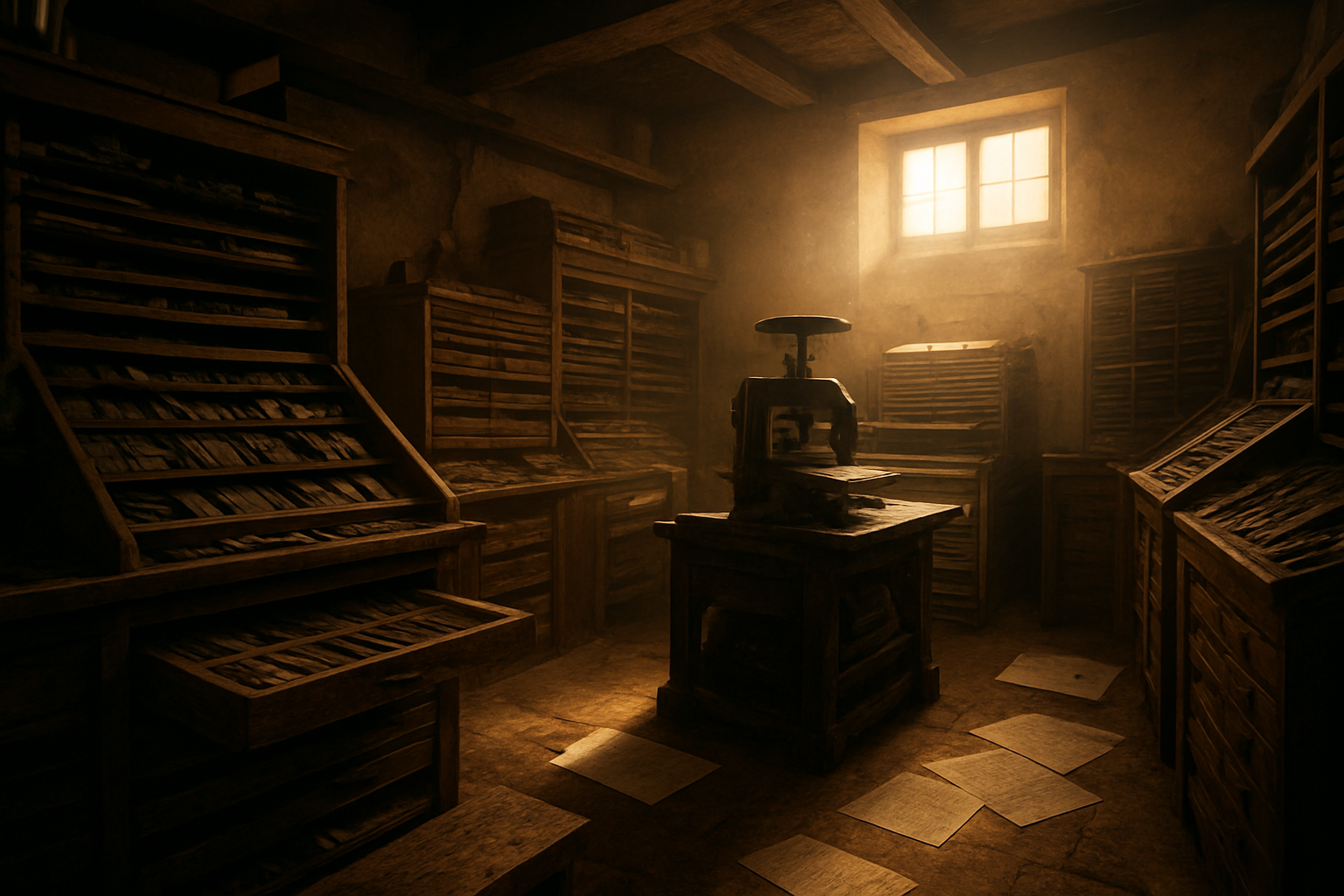
Chapter 62 in pictures


Analysis
This chapter balances comedy with a probe into authorship, illusion, and social performance. It stages Don Quixote as both spectacle and believer: he savors public recognition yet remains vulnerable to mockery. The enchanted head episode foregrounds themes of appearance versus reality—what seems magical is a human artifice—while preserving the characters’ differing credulities: Don Quixote and Sancho choose to interpret the device as supernatural, whereas the narrator (Cide Hamete) supplies rational explanation. The mechanical head functions as a literalized device of mediated voice and authority; its hollow tube and hidden speaker anticipate later narrative self-reflexivity about who controls the telling of events. Social satire appears in the head’s terse answers (modesty, behavioral evidence of love, filial hostility) that expose private truths under the guise of marvels. The episode also develops character: Sancho’s pragmatic concerns (home, governance) contrast with Don Quixote’s transcendent desires (Dulcinea’s disenchantment), highlighting their complementary motivations. Structurally, the chapter transitions from private jesting to public display, then to a staged demonstration that collapses the supernatural into theatrical craft—Cervantes uses staged amusement to question authenticity and the appetite for wonder in his audience. Finally, Don Quixote’s visit to the printing office introduces metatextual commentary (a spurious Second Part), signaling the novel’s interest in texts, translations, and reputations, and setting up future narrative complications.
Important quotes
“This is Don Quixote of La Mancha.”
NarratorInscription sewn to Don Quixote’s surcoat that draws public attention and provokes both admiration and insult.
“I cannot judge of thoughts.”
HeadThe first, astonishment-producing answer of the answering head that both amazes the company and introduces its enigmatic tone.
“Thou shalt govern in thy house; and if thou returnest to it thou shalt see thy wife and children; and on ceasing to serve thou shalt cease to be a squire.”
HeadThe head’s reply to Sancho’s question, addressing his domestic hopes and ambition with a practical, modestly consoling prophecy.
Characters in Chapter 62
All chapter summaries ›Characters ›
Read Don Quixote illustrated
Every scene in these notes comes from the Book2Life reader, where the full public-domain text is illustrated as you read, with character portraits and narration. Free in your browser and on iPhone.
