Miss Ingram in Jane Eyre
Major character
A fashionable, proud guest at Thornfield who participates in the social theatre surrounding Mr. Rochester.
Who is Miss Ingram?
Miss Ingram arrives at Thornfield as part of a polished, aristocratic party invited by Mr. Rochester. She presents herself with commanding, refined manners and joins in the drawing-room entertainments and charades, performing a public role of polished confidence. Her presence and behaviour—poised, observant, often rallying attention—help to crystallize the house’s season of gaiety and to stage a possible matrimonial match for Rochester. Jane watches Miss Ingram closely, noting how Rochester and the company give her deference and how she carries herself like a prospective mistress of Thornfield. Though Miss Ingram never confides interior feeling to Jane, her polished pride, social ease, and willingness to occupy the centre of the entertainment mark her as a figure who embodies the social advantages Rochester might gain and the sort of match that would satisfy rank and appearance more than intimate passion.
Personality
- Proud
- Chapter 17: Jane notices the visitors are an impressive, proud circle led by Miss Blanche Ingram and her family, and Miss Ingram’s commanding appearance draws attention.
- Polished
- Chapter 18: During the charades Miss Ingram performs and converses in manners described as polished, taking part in the drawing-room spectacle.
- Attention-seeking
- Chapter 17: Jane perceives Mr. Rochester’s particular attention to Blanche and observes the social dances of glance and whisper between Rochester and Miss Ingram.
- Socially strategic
- Chapter 24: The party’s presence and Miss Ingram’s comportment help frame Rochester’s ostensible intent to make a match suitable by rank, which unsettles Jane.
Character arc
Miss Ingram’s role is comparatively static across her appearances: she arrives as an emblem of aristocratic composure and remains so through the entertainments, the gypsy masque, and the marriage talk. She first appears as part of a fashionable party whose manners and presence fill Thornfield with social pageantry; Jane scrutinizes her manner and perceives Miss Ingram as a candidate for Rochester’s hand. During the charades she sustains the performance expected of her class, participating in staged tableaux that reinforce her public persona. The gypsy episode and Rochester’s staged disguise expose the performative dimension of Thornfield’s social life, but Miss Ingram herself is not revealed to change inwardly—she continues to occupy the role of proud, elegant woman fit for a conventional match. By the time Rochester proposes to Jane and the implications of rank and fashion are laid bare, Miss Ingram remains a foil rather than a transformative force: she represents the kind of social alliance Rochester could pursue, a constant reminder against which Jane measures authenticity and passion.
Relationships
- Edward Fairfax Rochester Rochester gives Miss Ingram marked attention at Thornfield and she stands as the ostensible heiress or prospective match in the social circle he gathers.
- Jane Eyre Jane observes Miss Ingram closely as a contrast to herself—polished and socially assured—while feeling the sting of Rochester’s apparent preference.
- Blanche Ingram Listed together among the visitors, Miss Ingram is part of the same family group centered on Blanche’s commanding presence and social leadership.
- Mrs. Fairfax Mrs. Fairfax receives and manages the party at Thornfield and regards the Ingrams with the household’s customary deference and attention.
- Adèle Varens Adèle delights in the bustle of the guests and shares in the household’s response to Miss Ingram’s fashions and performances.
- Mr. Mason Mr. Mason’s arrival during the entertainments unsettles the evening’s atmosphere in which Miss Ingram has been performing her social role.
Why Miss Ingram matters
Miss Ingram functions as a thematic foil to Jane and as an embodiment of social rank, appearance, and performative femininity. Her polished composure and public ease highlight the novel’s contrasts between surface respectability and inward truth: where Miss Ingram represents marriage as social advancement and display, Jane represents authenticity, moral steadiness, and inner feeling. Miss Ingram’s presence helps stage Rochester’s testing of women and amplifies questions about what qualities should determine marriage—passion or position—thereby sharpening the novel’s exploration of identity, class, and the costs of conformity.
Chapters with Miss Ingram
More Jane Eyre characters
 Jane EyreProtagonist
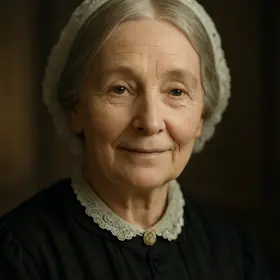 Mrs. FairfaxMinor character
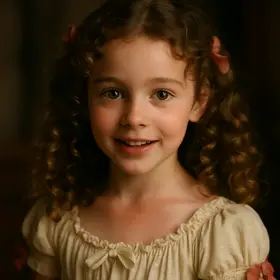 Adèle VarensMinor character
- MMr. RochesterMajor character
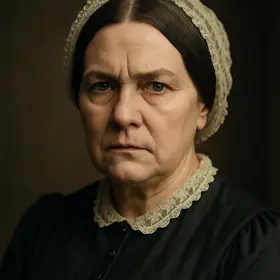 Mrs. ReedAntagonist
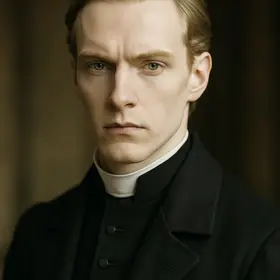 St. John RiversMajor character
 Edward Fairfax RochesterMajor character
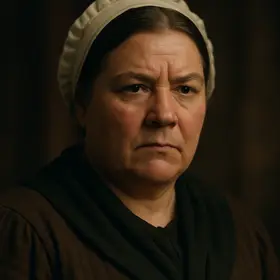 Grace PooleMinor character
All chapter summaries ›Characters ›
Read Jane Eyre illustrated
Every scene in these notes comes from the Book2Life reader, where the full public-domain text is illustrated as you read, with character portraits and narration. Free in your browser and on iPhone.
