Mr. Oliver in Jane Eyre
Minor character
Rosamond Oliver’s father, a well-to-do local gentleman who commends Jane’s school and invites her to Vale Hall.
Who is Mr. Oliver?
Mr. Oliver appears as a local gentleman accompanying his daughter Rosamond to visit Moor House and Jane’s village school. He observes and praises Jane’s work with the children, speaks well of the Rivers family, and courteously invites Jane to Vale Hall. His approval of the Rivers and lack of opposition to a match between his daughter and St. John signals his position in the community as a polite, influential neighbor. He performs a small but concrete social function in the narrative: recognizing Jane’s competence, offering social connection, and embodying the stable, affluent world that surrounds and sometimes contrasts with Jane’s more austere, moral choices. Mr. Oliver’s presence emphasizes local respectability and the practical social networks that shape opportunities for marriage and patronage.
Personality
- Courteous
- He praises Jane’s schoolwork politely when he visits Vale and speaks well of the Rivers family.
- Affluent
- He appears as Rosamond’s father and hosts at Vale Hall, marking him as a man of means and social standing.
- Supportive
- He invites Jane to Vale Hall and does not object to a possible match between his daughter and St. John.
- Conventional
- His easy approval of social ties and marriage prospects reflects the established expectations of his class.
Character arc
Mr. Oliver’s role is static and functional: he appears first as the father who brings Rosamond to call on the Rivers and inspect the school, and he remains a steady, approving presence. He does not undergo personal development or dramatic change; instead, his actions quietly affect others’ circumstances. By praising Jane’s teaching and inviting her to Vale Hall, he helps to legitimize Jane’s social standing in the neighborhood and to link her to local gentry. He also demonstrates a social openness to the Rivers family and to the idea of Rosamond’s marriage to St. John, which contrasts with St. John’s own inward struggle and Jane’s independent choices. Mr. Oliver’s final narrative function is to mark a possible conventional alternative in the social world—an established, comfortable station that remains largely unchanged throughout his appearances.
Relationships
- Rosamond Oliver Her father; he accompanies and endorses her visits to Moor House and Vale Hall.
- Jane Eyre A visitor and observer of her school; he praises her work and invites her to Vale Hall.
- St. John Rivers An acquaintance whose possible match with Rosamond he does not oppose, signaling social approval.
- Diana Rivers A respected neighbor by implication, since he speaks well of the Rivers family when visiting.
- Mary Rivers Another member of the Rivers household whose family standing he acknowledges positively.
Why Mr. Oliver matters
Mr. Oliver represents the local gentry’s approving, stabilizing presence: he validates Jane’s work and links the Rivers household to the social world of Vale Hall. His civility and lack of objection to Rosamond’s potential match with St. John foreground conventional social options—marriage, patronage, and respectability—that stand in contrast to Jane’s moral independence and St. John’s missionary austerity. As a minor but concrete connector, he helps show how social approval and class networks shape characters’ opportunities and decisions.
Chapters with Mr. Oliver
More Jane Eyre characters
 Jane EyreProtagonist
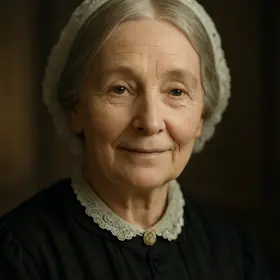 Mrs. FairfaxMinor character
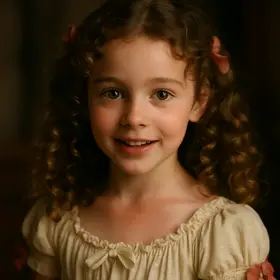 Adèle VarensMinor character
- MMr. RochesterMajor character
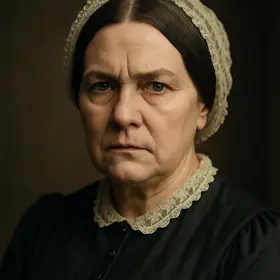 Mrs. ReedAntagonist
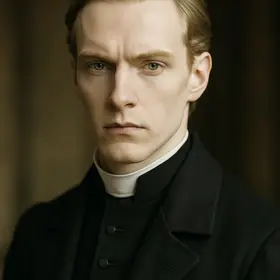 St. John RiversMajor character
 Edward Fairfax RochesterMajor character
 Grace PooleMinor character
All chapter summaries ›Characters ›
Read Jane Eyre illustrated
Every scene in these notes comes from the Book2Life reader, where the full public-domain text is illustrated as you read, with character portraits and narration. Free in your browser and on iPhone.
