Angus in Macbeth
Minor character
A Scottish noble and soldier who accompanies the king and later joins Malcolm’s invading force against Macbeth.
Who is Angus?
Angus is a Scottish thane and attendant who appears as part of the king’s retinue early in the play and later as one of the nobles preparing to depose Macbeth. In the first act he arrives with Ross to bring Duncan news of Macbeth’s battlefield victories and of the treachery of the former Thane of Cawdor, helping set up Macbeth’s reward and rise. He is present when the king visits Macbeth’s castle, participating in the courteous welcome. Later, in the closing acts, Angus is among the small group of Scottish lords—alongside Menteith and Lennox—who gather troops and march toward Dunsinane with Malcolm, reporting on the English-supported invasion and describing Macbeth’s loss of loyalty. He takes part in the Birnam Wood operation, carrying out Malcolm’s orders as the army disguises its numbers with branches. Angus functions as a practical, loyal-thanatic presence: a messenger and military supporter who shifts from court attendant to active participant in the movement to restore rightful rule.
Personality
- Loyal
- He travels with Ross and others to bring Duncan news and later joins Malcolm’s army to depose Macbeth.
- Practical
- He participates in planning and marching, noting battlefield details and carrying out Malcolm’s order to use boughs as disguise.
- Observant
- He helps report Macbeth’s conduct to others, commenting that Macbeth’s title now hangs ill on him like a strange garment.
- Steady
- He appears reliably at court and on campaign, moving from the king’s retinue to the ranks of the invading nobles without dramatic flourish.
Character arc
Angus begins as a supporting courtier and messenger in Duncan’s service, arriving early to deliver and receive news of battle and reward. In Act 1 he functions within the king’s circle: bringing and hearing reports that help secure Macbeth’s promotion and participating in the welcoming of the monarch at Macbeth’s home. He remains a background figure through the courtly scenes, representing the established order. As the play shifts toward open conflict in the final acts, Angus changes roles from attendant to active military participant: he marshals with other Scottish nobles, exchanges assessments of Macbeth’s failing rule, and commits to marching on Dunsinane. By the Birnam Wood sequence he is a captain among Malcolm’s forces executing the tactical plan to disguise their numbers. Angus’s movement is not emotional transformation but a practical realignment—from royal retinue to restorative insurgent—showing a steady loyalty to legitimate authority and to the country rather than to a single ruler. He ends as part of the army seeking to replace tyranny with rightful governance.
Relationships
- Ross Fellow noble and messenger who arrives with Angus to report battlefield news and the new title for Macbeth.
- Duncan Serves in the king’s retinue, present when Duncan praises and rewards his thanes.
- Macbeth Initially brings news that helps secure Macbeth’s promotion; later opposes Macbeth as part of the invading force.
- Malcolm Joins Malcolm’s army and follows his tactical orders during the advance on Dunsinane and Birnam Wood.
- Lennox Co-noble and companion at court and on campaign, sharing reports and marching together against Macbeth.
- Menteith Comrades-in-arms during the final gathering of Scottish nobles preparing to march on Dunsinane.
Quotes by Angus
“Now does he feel His secret murders sticking on his hands; Now minutely revolts upbraid his faith-breach;”
Act 5, Scene 2Describes Macbeth’s guilty conscience and the loss of true loyalty among his followers.
“Now does he feel his title Hang loose about him, like a giant’s robe Upon a dwarfish thief.”
Act 5, Scene 2A vivid simile suggesting Macbeth’s ill-fitting claim to kingship and his shrinking moral stature.
Why Angus matters
Angus embodies the perspective of the concerned, duty-bound Scottish nobility: he helps connect battlefield reality to the court and then helps translate political discontent into action. Through his steady presence the play shows how legitimate authority is upheld or restored by collective, practical efforts rather than lone ambition. Angus’s shift from court attendant to marching commander underscores themes of loyalty, the responsibilities of leadership, and the necessity of communal intervention to correct tyranny.
Chapters with Angus
More Macbeth characters
 Macbeth
 Banquo
 Macduff
 Malcolm
 Ross
Ross Lady Macbeth
 Lennox
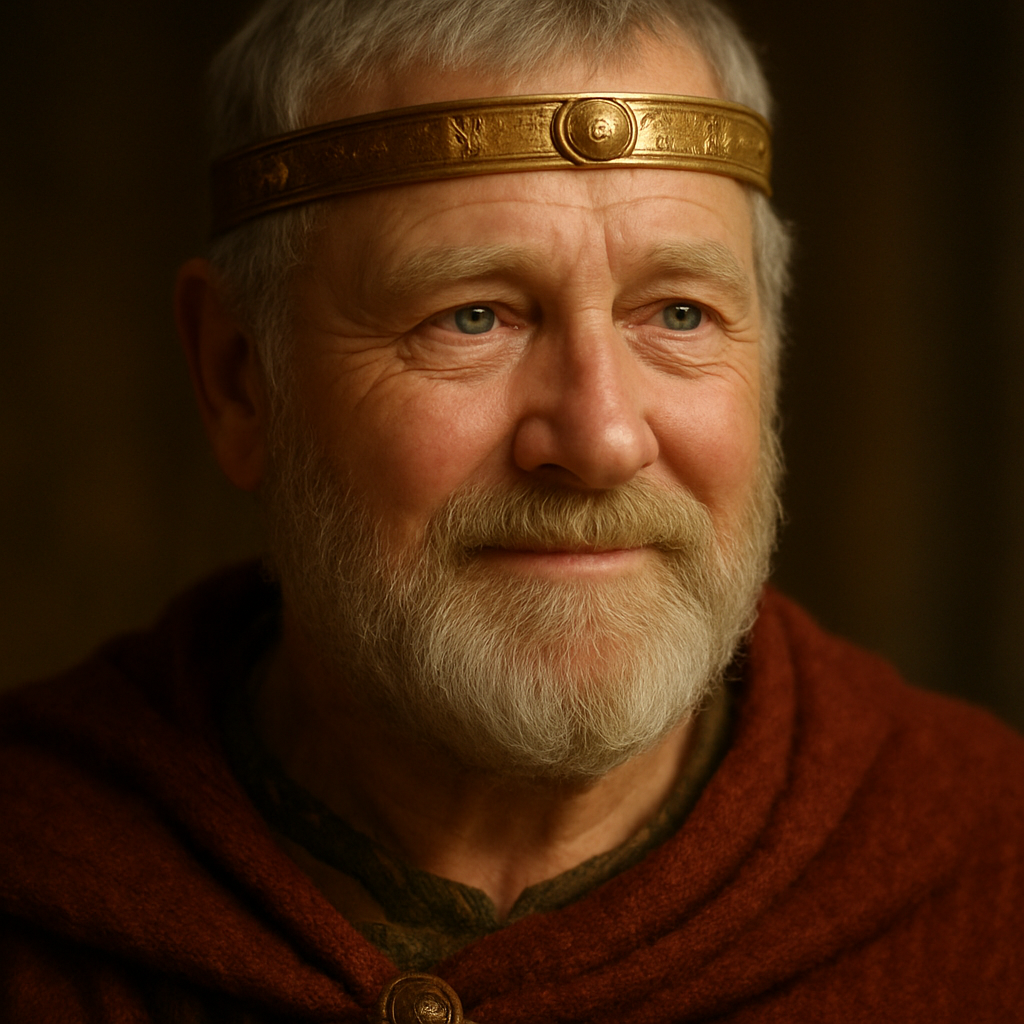 Duncan
All chapter summaries ›Characters ›
Read Macbeth illustrated
Every scene in these notes comes from the Book2Life reader, where the full public-domain text is illustrated as you read, with character portraits and narration. Free in your browser and on iPhone.
