
Ross in Macbeth
Major character
A Scottish thane and royal messenger who brings news between battlefield, court, and noble households.
Who is Ross?
Ross is a Scottish noble who functions primarily as a reliable messenger and intermediary throughout the play. He arrives with battlefield reports and official communications: he tells Duncan of Macbeth’s battlefield valor and announces Macbeth’s promotion to Thane of Cawdor, escorts news of the former thane’s confession and execution, and later carries tidings of Duncan’s murder and the supernatural disorder that follows. Ross also appears as a concerned intermediary in private households, visiting Macduff’s castle where he tries to reassure Lady Macduff about her husband’s flight. As the kingdom fractures, Ross moves between centers of power—Duncan’s court, Macbeth’s banquets, Macduff’s domestic sphere, and Malcolm’s camp in England—reporting developments large and small. He is practical and observant, acting as a conduit for information that propels political decisions and personal reactions across the play.
In the book: When we first meet Ross, he’s a Scottish thane hustling between battlefield and court, bringing the king sharp, timely reports about the fighting. He’s the guy who shows up with solid news and official messages—including the big promotion that changes Macbeth’s life—so people listen when he speaks.
Personality
- dutiful
- He promptly reports battlefield outcomes to Duncan and later conveys the king’s orders that Macbeth be rewarded with Cawdor’s title.
- practical
- Outside Macbeth’s castle he calmly exchanges news of strange omens with an Old Man and explains where Duncan’s body will be taken.
- cautious
- When Lady Macduff denounces her husband, Ross answers carefully, insisting Macduff’s flight was prudence in dangerous times.
- sympathetic
- He delivers the devastating news to Macduff in England that Macduff’s wife and children have been murdered, which overwhelms Macduff with grief.
Character arc
Ross begins the play as an authoritative communicator of royal decisions and battlefield facts—bringing news of Macbeth’s bravery and Duncan’s grants. Early on he helps translate military success into political reward by announcing Macbeth’s new title, which sets Macbeth’s trajectory in motion. As turmoil unfolds he continues to relay both formal and informal news: the execution of the traitorous Thane of Cawdor, the discovery of Duncan’s murder, and reports of unnatural signs that unsettle the realm. Ross also moves into more personal terrain, attempting to reassure Lady Macduff about her husband’s safety and later bearing the most intimate and painful report to Macduff in England. By the end, Ross stands among Malcolm’s forces as part of the returning loyal faction, helping marshal the evidence of Macbeth’s collapse and the practical steps toward restoration. Throughout, Ross does not undergo dramatic moral transformation; rather, his role shifts from court reporter to witness of the human cost of tyranny, consistently serving as the kingdom’s messenger and observer of changing loyalties.
Relationships
- Duncan Ross brings Duncan official battlefield reports and informs him of the Thane of Cawdor’s treason and Macbeth’s promotion.
- Macbeth He announces to Macbeth and others that Duncan has rewarded Macbeth with the title Thane of Cawdor and later attends Macbeth’s court.
- Macduff Ross speaks with Macduff after Duncan’s murder and later brings the fatal news about Macduff’s murdered family to him in England.
- Lady Macduff Ross visits her at her castle and tries to calm her accusations that her husband’s flight is madness, then departs promising to return.
- Malcolm Ross appears with Malcolm’s forces at Birnam Wood as part of the army advancing to overthrow Macbeth and restore the rightful line.
- Angus Ross frequently travels and reports alongside Angus, sharing news at court and on the battlefield.
Why Ross matters
Ross functions as the play’s connective tissue for information and perspective: his reports turn private actions into public consequences and reveal how news shapes political legitimacy. By moving between battlefield, court, and domestic settings, he highlights themes of appearance versus reality (formal honors versus true loyalty), the instability of titles, and the human cost of political violence. Ross’s measured reactions and delivery of tragic news also emphasize the play’s moral geography: the state unravels not only through Macbeth’s ambition but through a cascade of notifications, betrayals, and the personal suffering these announcements cause.
Chapters with Ross
More Macbeth characters
 Macbeth
 Banquo
 Macduff
 Malcolm
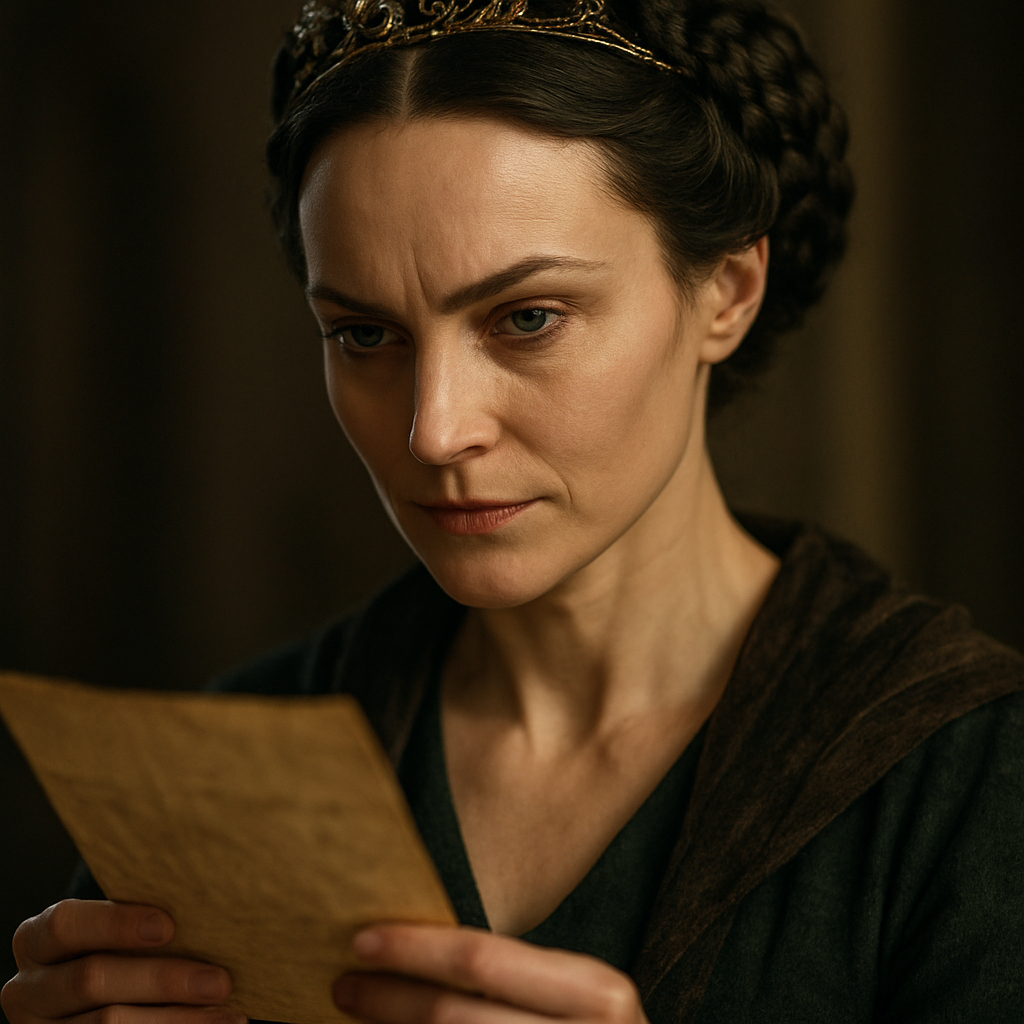 Lady Macbeth
 Lennox
 Duncan
 Donalbain
All chapter summaries ›Characters ›
Read Macbeth illustrated
Every scene in these notes comes from the Book2Life reader, where the full public-domain text is illustrated as you read, with character portraits and narration. Free in your browser and on iPhone.
