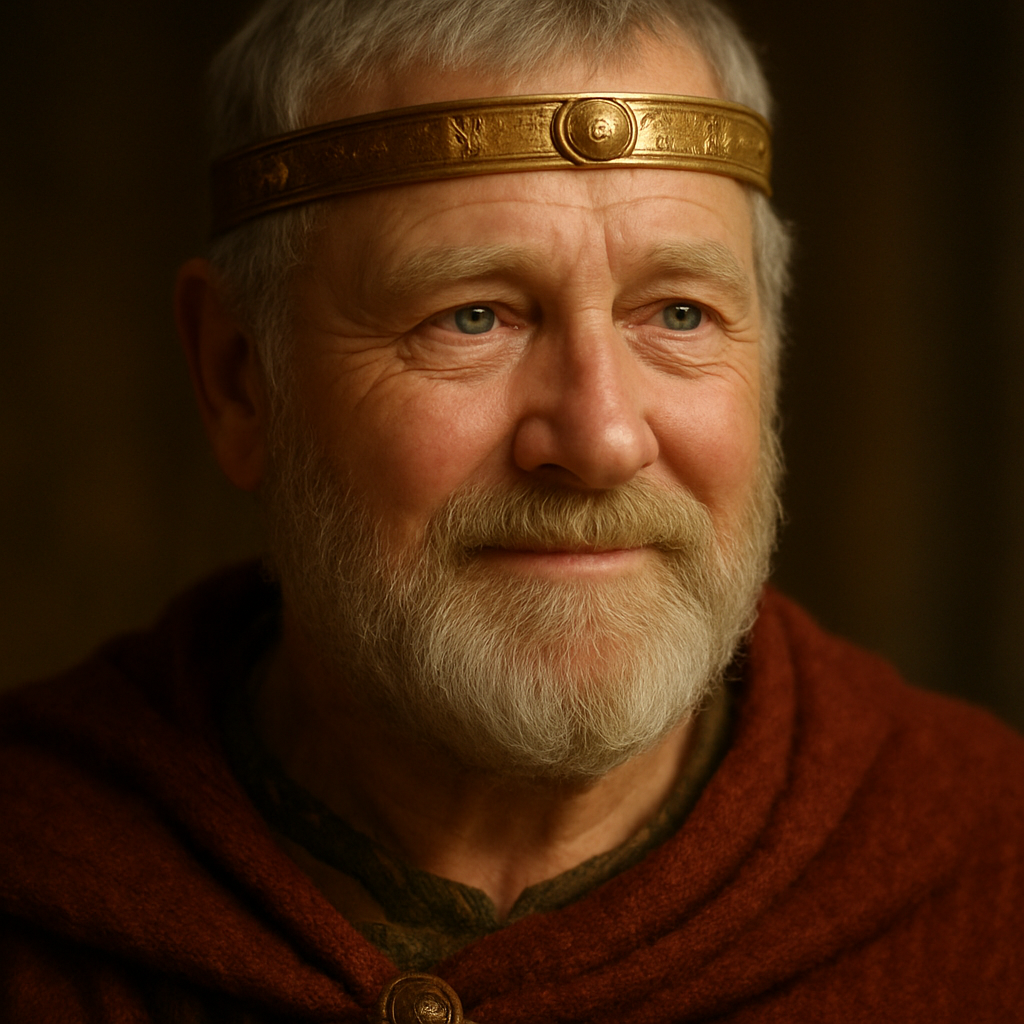
Duncan in Macbeth
Major character
The generous, steady King of Scotland whose trust and goodness set the court's tone before his murder upends the realm.
Who is Duncan?
Duncan is the ruling King of Scotland at the start of the play. He appears as a benevolent sovereign who rewards loyalty and bravery—publicly praising Macbeth and immediately naming him Thane of Cawdor after battlefield reports. He trusts his nobles, listens to reports from captains and thanes, and shows warm regard for his family and guests, publicly naming Malcolm Prince of Cumberland to secure succession. Duncan accepts hospitality at Macbeth’s castle with gratitude and praises Lady Macbeth as an honour’d hostess. His clear faith in appearances blinds him to danger; he cannot see the threat posed by Macbeth and Lady Macbeth even as Macbeth contemplates regicide. Duncan’s presence organizes the court’s rituals and reassures the realm; his sudden murder produces shock, suspicion, and the fragmentation of loyalty that sends nobles and sons fleeing and opens the way for Macbeth’s ascent and the kingdom’s descent into disorder.
In the book: When we first meet Duncan, he’s the generous and steady King of Scotland, listening to reports from the battlefield and praising bravery where it’s due. He rewards loyalty on the spot—naming Macbeth the new Thane of Cawdor—and speaks with warmth to his nobles and sons. He matters because his trust and goodwill set the tone for the Scottish court and shape how others act around him.
Personality
- Generous
- He publicly rewards Macbeth with the title Thane of Cawdor immediately after hearing the captain’s report of Macbeth’s battlefield valor.
- Trusting
- He praises and embraces Macbeth and Banquo at court and later takes Lady Macbeth’s hospitality at Inverness as sincere, failing to suspect danger.
- Decisive (in governance)
- He orders the execution of the treacherous Thane of Cawdor and names Macbeth his successor, acting swiftly to restore order.
- Affectionate
- He shows warm fatherly regard when he publicly names Malcolm Prince of Cumberland to secure the succession.
Character arc
Duncan enters the story as a stabilizing figure: the established monarch who rewards merit, enforces justice, and comforts his subjects. His early scenes emphasize lawful authority and the rituals of kingship—listening to battlefield reports, executing a treasonous thane, and confirming Malcolm as heir. These acts establish a peaceful, functioning order and set expectations for loyalty and reciprocity among nobles. This equilibrium collapses rapidly: Duncan’s trusting nature and acceptance of hospitality lead him into Macbeth’s castle, where he is murdered in his sleep. He never changes personally—he remains the benevolent, trusting king throughout—but his death radically transforms the political and moral landscape. The assassination removes the moral center of the court, precipitates fear and fragmentation (Malcolm and Donalbain’s flight), and creates a power vacuum that enables Macbeth’s usurpation and the ensuing descent into tyranny and suspicion. Duncan’s arc is thus less about personal transformation and more about the shift his absence forces upon the realm.
Relationships
- Macbeth A grateful monarch who rewards Macbeth for military service but is betrayed by him; Macbeth receives Cawdor's title from Duncan.
- Malcolm Eldest son and chosen heir; Duncan publicly names Malcolm Prince of Cumberland to secure the succession.
- Donalbain Younger son whose flight after Duncan’s murder contributes to suspicion and the fracturing of the court.
- Banquo A noble at court whom Duncan praises and embraces, representing loyal service under the king.
- Lady Macbeth A hostess praised by Duncan for her courtesy; Duncan trusts her hospitality unaware of the threat she conceals.
- Macduff A thane present at court whose discovery of Duncan’s body catalyzes alarm and sets Macduff on a path away from Macbeth’s circle.
Quotes by Duncan
“What bloody man is that?”
Act 1, Scene 2Duncan demands an explanation when a wounded soldier arrives, opening the scene and directing attention to the crisis.
“No more that Thane of Cawdor shall deceive Our bosom interest.”
Act 1, Scene 2Duncan orders execution of the treacherous Thane of Cawdor and signals that Cawdor’s title will be reassigned to Macbeth.
“There’s no art To find the mind’s construction in the face: He was a gentleman on whom I built An absolute trust.”
Act 1, Scene 4Duncan reflects on his inability to judge inner character after Cawdor’s betrayal, underscoring appearance vs. reality.
“This castle hath a pleasant seat. The air Nimbly and sweetly recommends itself Unto our gentle senses.”
Act 1, Scene 6Duncan opens with praise for the castle's agreeable situation, establishing a peaceful, welcoming atmosphere.
Why Duncan matters
Duncan embodies legitimate kingship, order, and the reciprocal bonds between ruler and subject; his virtues highlight what the realm loses after his murder. His trusting goodness exposes the limits of judging character by appearance and sets up the central moral and political crisis: when a rightful, benevolent king is slain from within, the social hierarchy and justice system collapse. Duncan’s death therefore underlines themes of legitimacy, the consequences of misplaced trust, and the fragility of political order when personal ambition overrides duty.
Chapters with Duncan
More Macbeth characters
 Macbeth
 Banquo
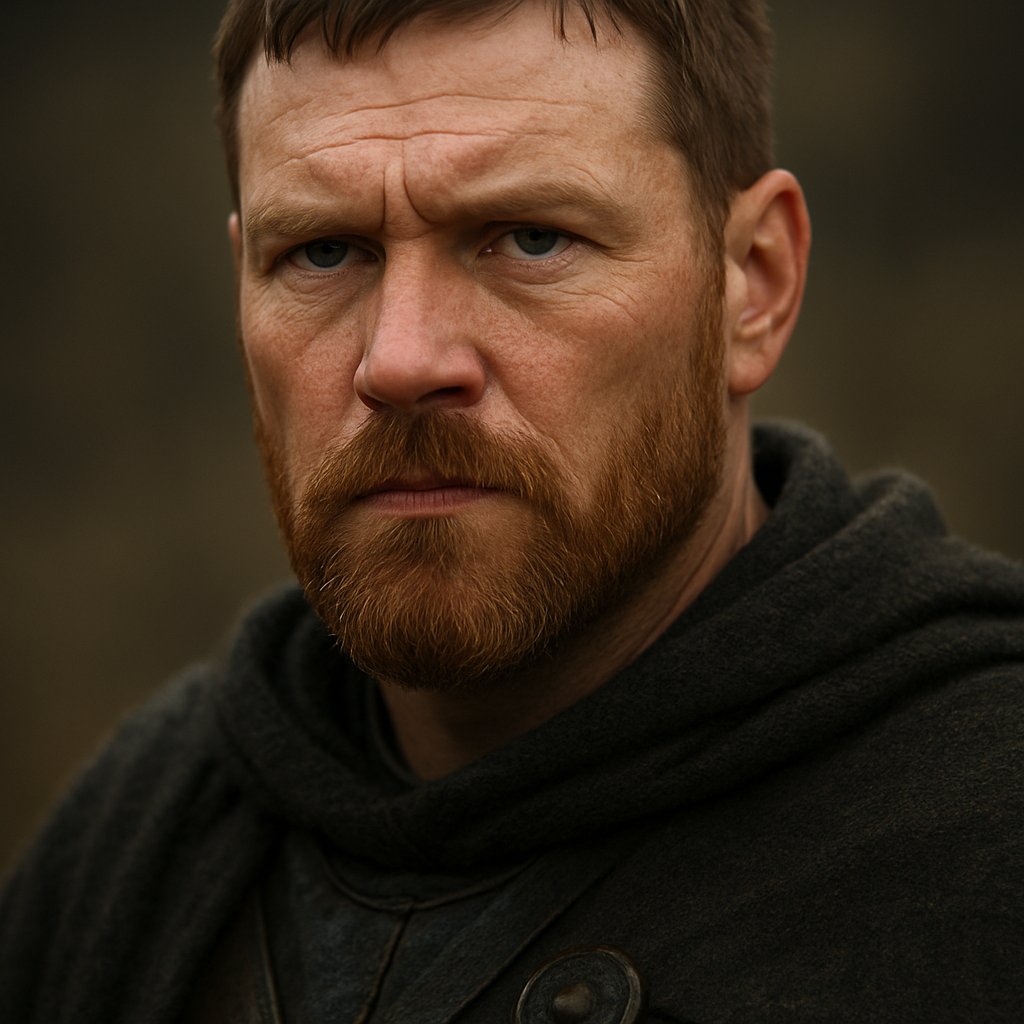 Macduff
 Malcolm
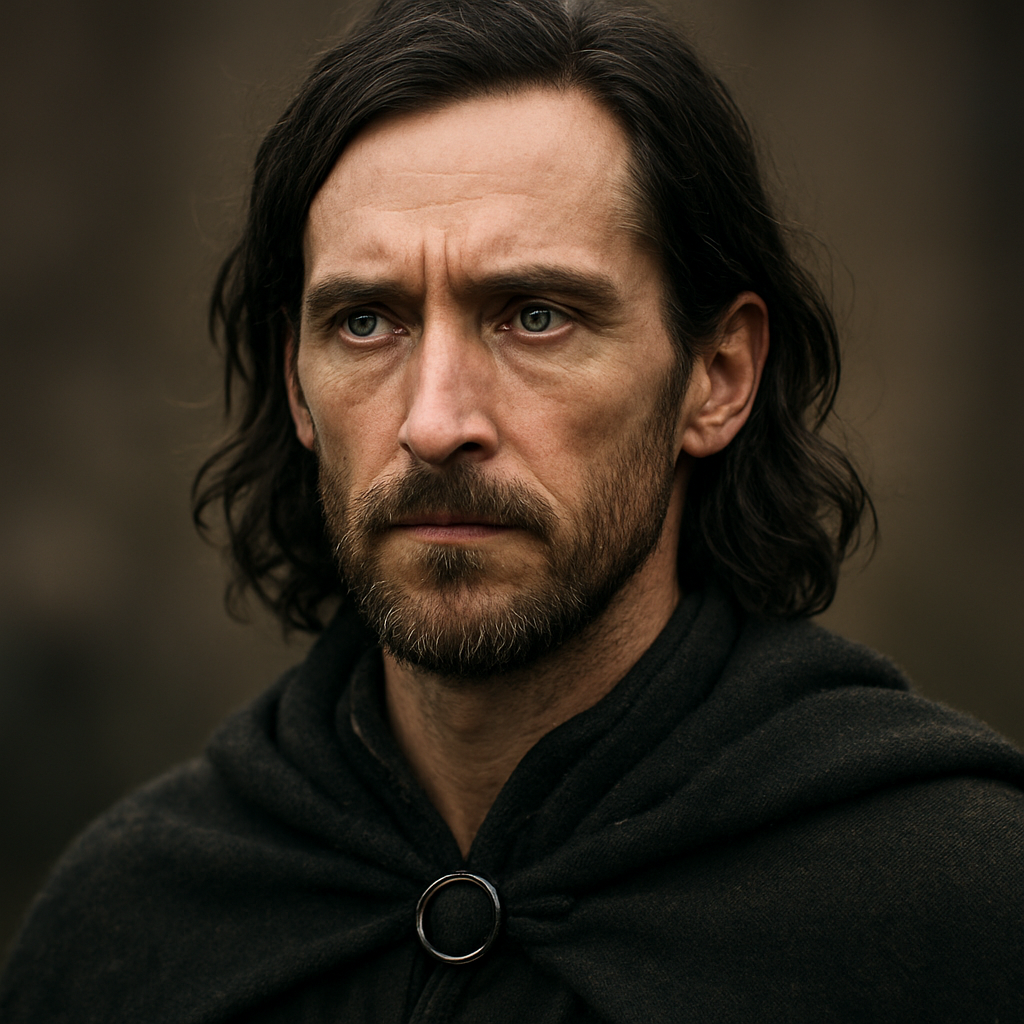 Ross
Ross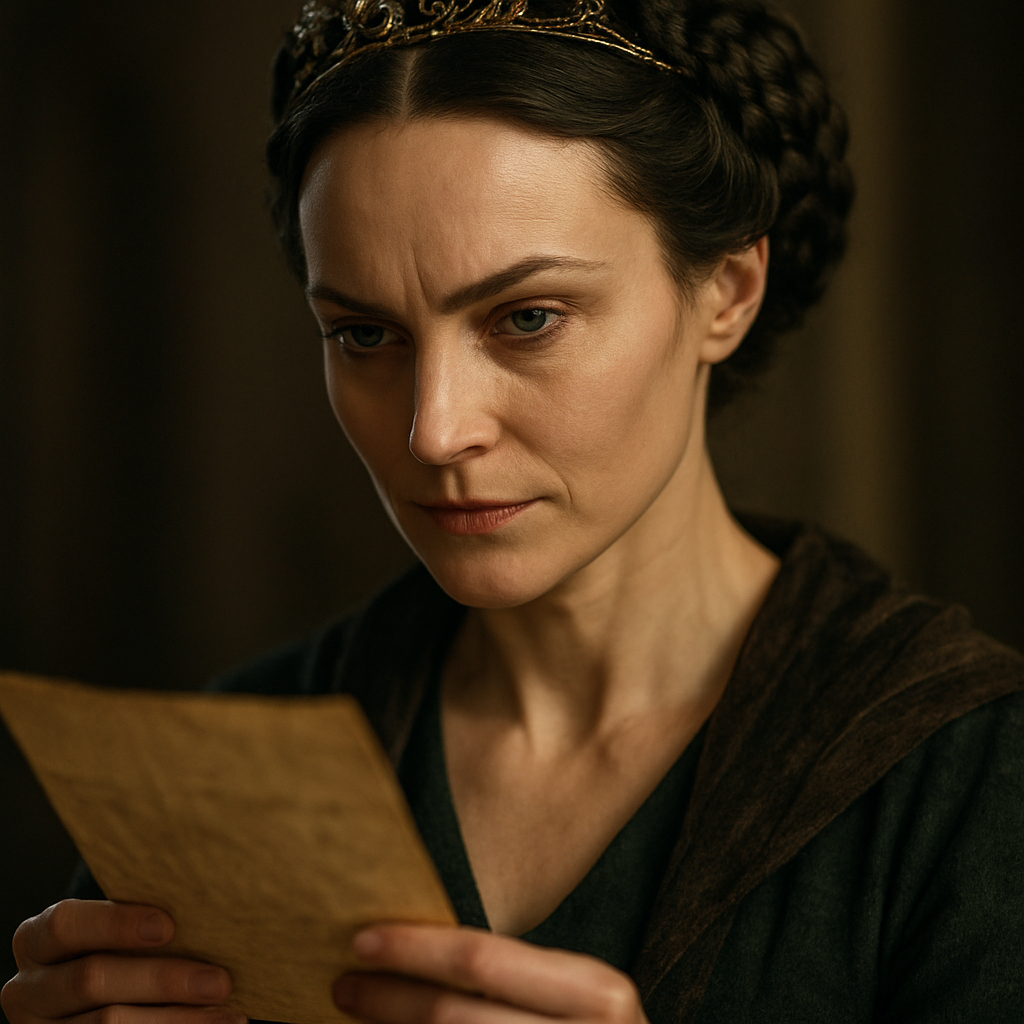 Lady Macbeth
 Lennox
 Donalbain
All chapter summaries ›Characters ›
Read Macbeth illustrated
Every scene in these notes comes from the Book2Life reader, where the full public-domain text is illustrated as you read, with character portraits and narration. Free in your browser and on iPhone.
