
Malcolm in Macbeth
Major character
Eldest son of King Duncan who leads the effort to unseat Macbeth and restore rightful rule in Scotland.
Who is Malcolm?
Malcolm is Duncan’s eldest son and the declared Prince of Cumberland, presented early as cautious, observant, and groomed for leadership. After Duncan’s murder, he flees to England for safety and prudence, which casts suspicion but ultimately allows him to gather allies. In England he tests Macduff’s loyalty, reveals himself honest and capable, and secures support from King Edward and Siward. Malcolm organizes and leads the invasion force that advances on Dunsinane, uses Birnam Wood in a tactical disguise, and returns to Scotland with the army. At the play’s end he is proclaimed king, promising rewards and restoration as the realm moves from tyranny back toward order.
In the book: When we first meet Malcolm, he’s King Duncan’s eldest son—polite, steady, and quick to gather and share news from the battlefield. He speaks carefully, watches people closely, and you can tell he’s being groomed for responsibility even as the war swirls around him.
Personality
- Prudent
- After Duncan’s murder, Malcolm flees to England rather than remain in a dangerous court (Act 2, Scene 3).
- Cautious
- He tests Macduff with a staged confession to ensure Macduff’s honesty before joining forces (Act 4, Scene 3).
- Strategic
- He orders soldiers to cut boughs from Birnam Wood to mask their numbers as they advance on Dunsinane (Act 5, Scene 4).
- Resolute
- He leads the invasion with Siward and Macduff and moves forward to reclaim the throne (Act 5, Scene 4 and Act 5, Scene 2).
Character arc
Malcolm begins as a polished, careful prince who is immediately identified as Duncan’s heir and as an obstacle to Macbeth’s ambition. The murder of his father forces him into exile, where he chooses prudence and coalition-building over immediate confrontation: he travels to England, secures King Edward’s support, and tests potential allies to ensure they are trustworthy. This period sharpens his political instincts and confirms his suitability to lead. Returning with an allied army, Malcolm shifts from cautious refugee to active commander, issuing tactical orders (using Birnam Wood) and coordinating the final assault. By the final scene he transforms into the restored sovereign who can promise political reorganization and rewards; his final public role is to receive acclaim and begin the work of rebuilding the kingdom after Macbeth’s tyranny.
Relationships
- Duncan His father; Malcolm is Duncan’s eldest son and designated successor (Act 1, Scene 4).
- Donalbain His brother; they flee separately after Duncan’s murder—Malcolm to England and Donalbain to Ireland (Act 2, Scene 3).
- Macduff Ally and co-conspirator who seeks Malcolm in England and later joins him to overthrow Macbeth (Act 4, Scene 3; Act 5, Scenes 4–8).
- Siward Military ally from England who brings troops and fights alongside Malcolm against Macbeth (Act 4, Scene 3; Act 5, Scenes 2–4, 8).
- Ross Noble who reports news and supports the movement against Macbeth; he brings tidings like Macduff’s loss and later accompanies the advancing forces (Act 3, Scene 6; Act 4, Scene 3; Act 5, Scenes 2–4).
- Young Siward A young soldier in the invading force whose death is noted amid the final conflict that Malcolm helps prosecute (Act 5, Scene 7; Act 5, Scene 8).
Quotes by Malcolm
“Give sorrow words. The grief that does not speak Whispers the o'er-fraught heart, and bids it break.”
Act 4, Scene 3After Ross reveals Macduff's family has been killed, Malcolm urges Macduff to voice his grief rather than suppress it.
“Let every soldier hew him down a bough, And bear’t before him.”
Act 5, Scene 4Malcolm gives the tactical order to use branches from Birnam Wood to disguise the army's numbers.
Why Malcolm matters
Malcolm embodies legitimate, cautious leadership and the moral restoration the play seeks after regicide and tyranny. His prudence and tests of loyalty counter Macbeth’s rash ambition and secrecy, demonstrating the virtues required for stable rule. Militarily and politically, Malcolm is the instrument of revenge and recovery—he gathers foreign support, orchestrates the advance that fulfills the witches’ ambiguous signs, and finally receives acclaim as king, signaling a return to lawful order and the play’s resolution of chaos through rightful succession.
Chapters with Malcolm
More Macbeth characters
 Macbeth
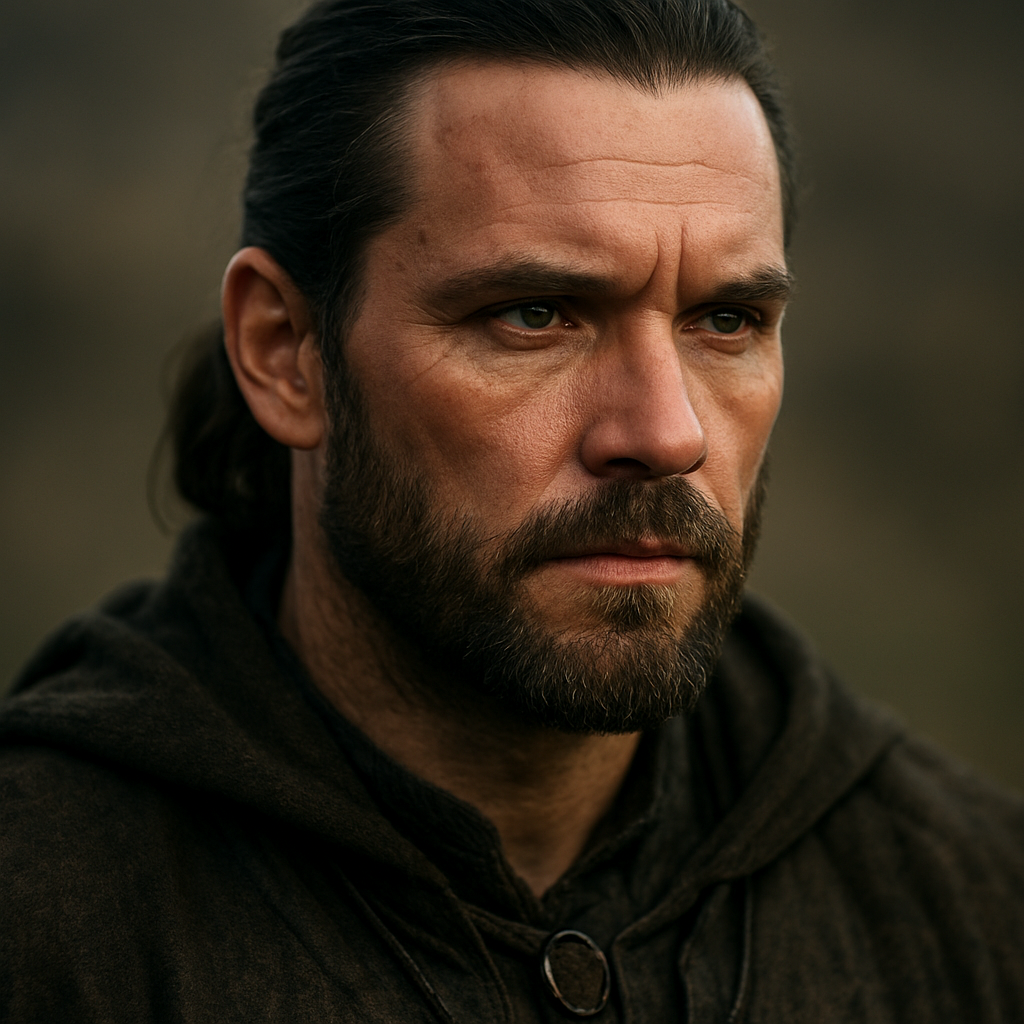 Banquo
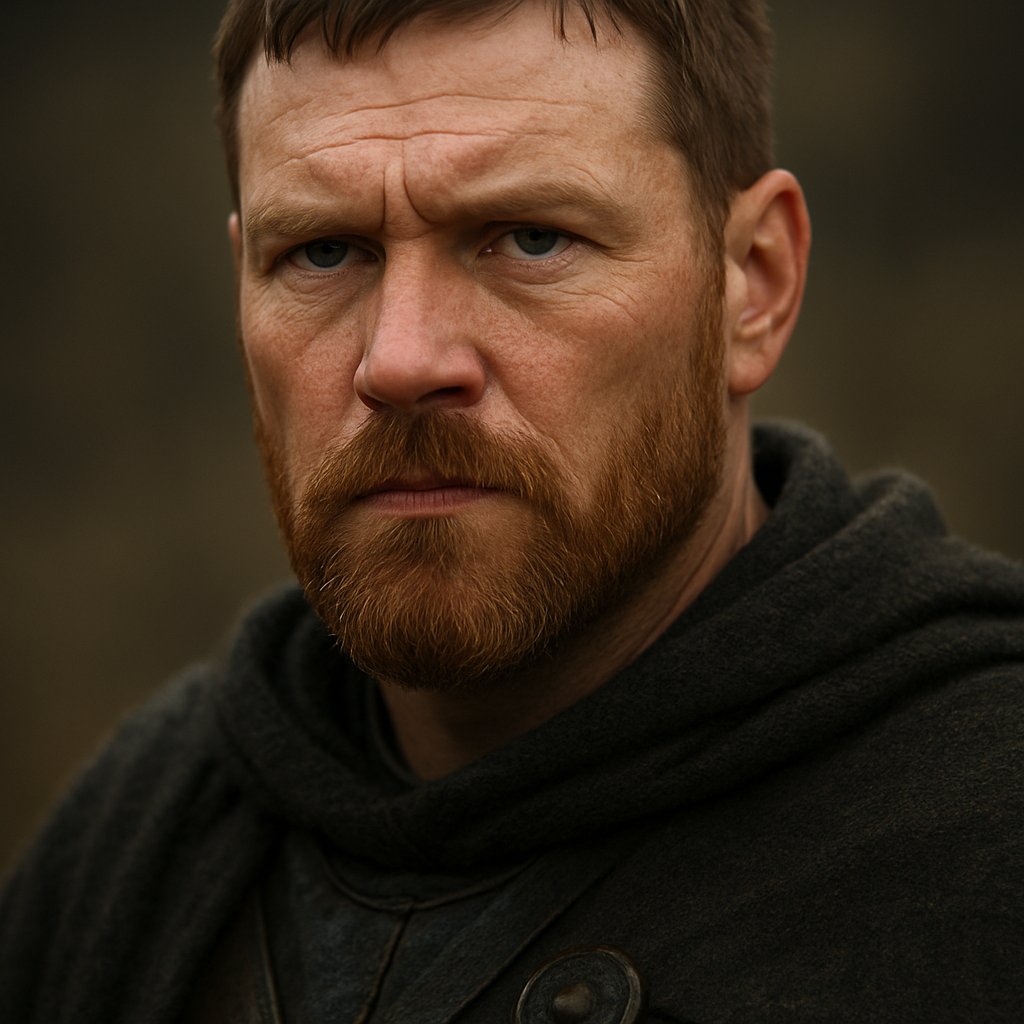 Macduff
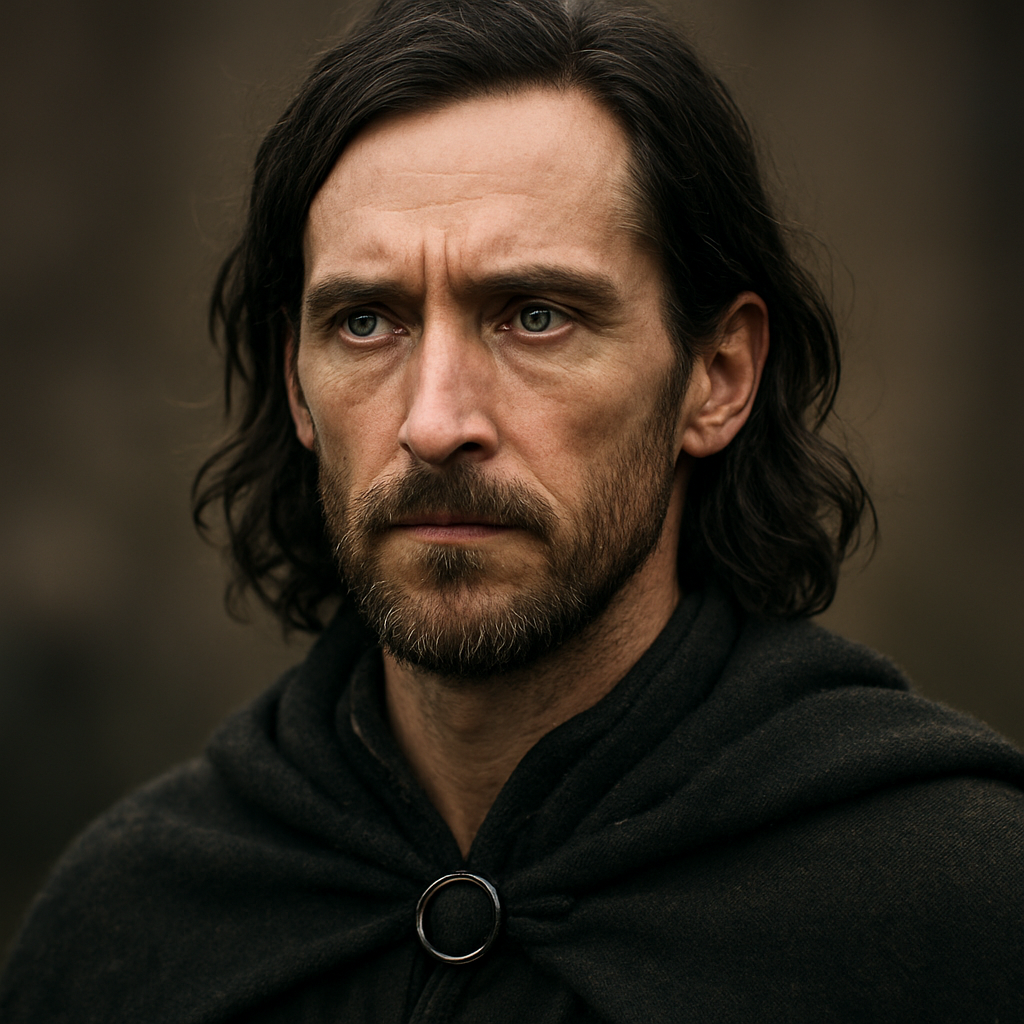 Ross
Ross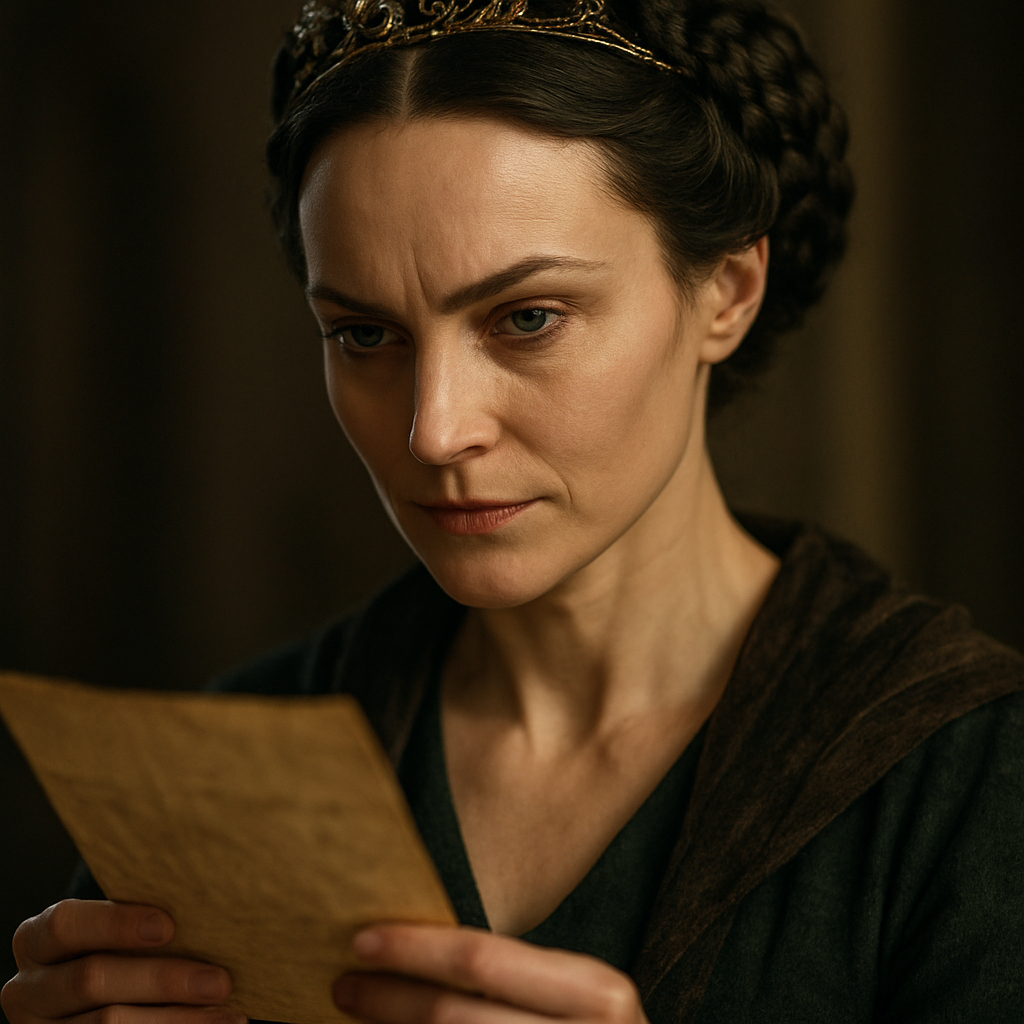 Lady Macbeth
 Lennox
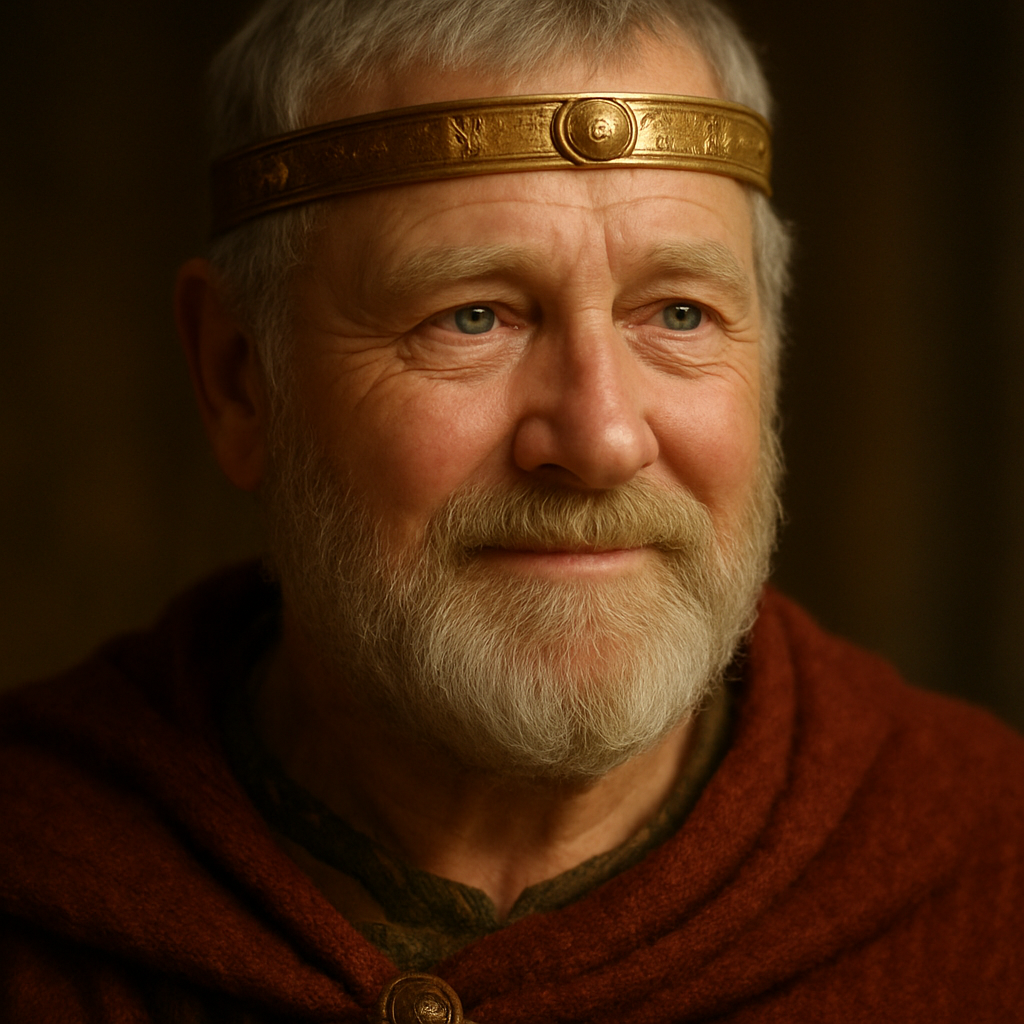 Duncan
 Donalbain
All chapter summaries ›Characters ›
Read Macbeth illustrated
Every scene in these notes comes from the Book2Life reader, where the full public-domain text is illustrated as you read, with character portraits and narration. Free in your browser and on iPhone.
