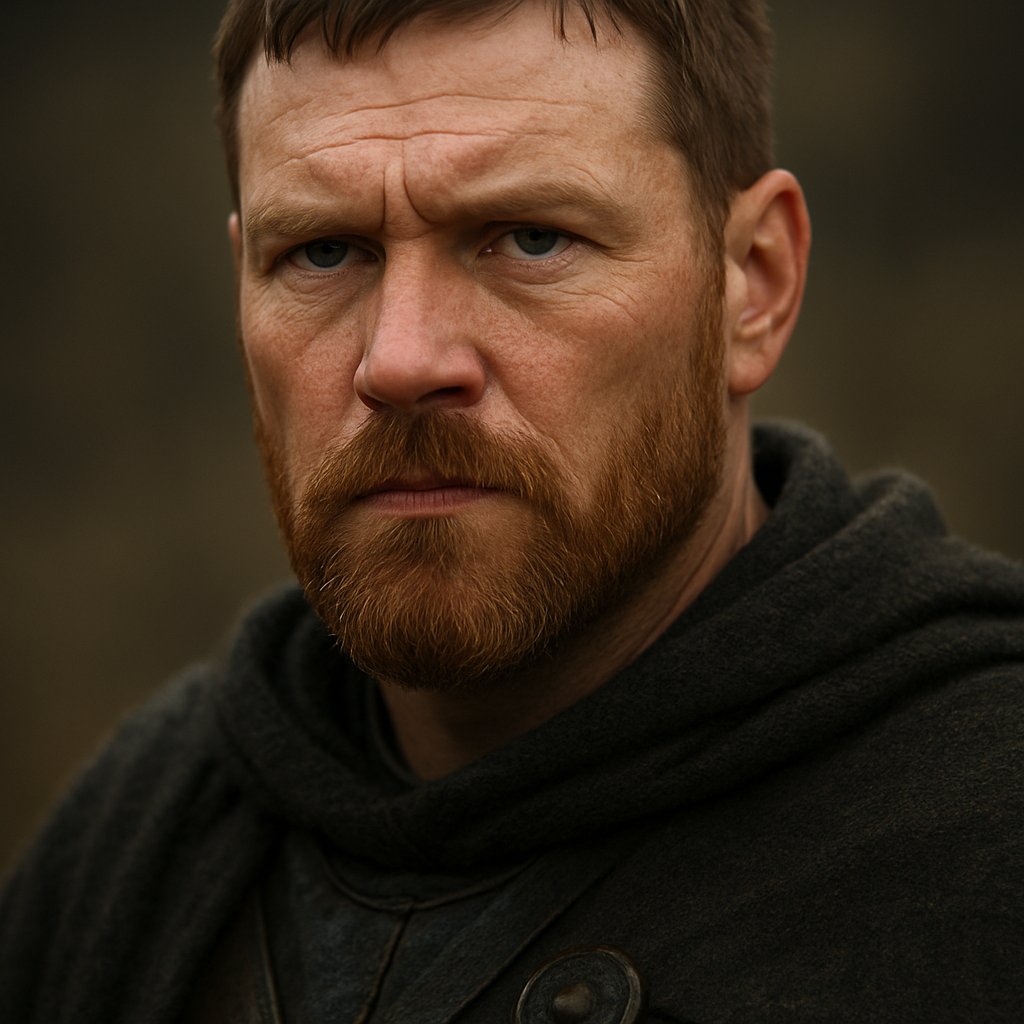
Macduff in Macbeth
Major character
Thane of Fife, a plain-spoken, duty-bound noble who seeks Scotland’s good and ultimately confronts Macbeth.
Who is Macduff?
Macduff appears as a steady, pragmatic Scottish noble deeply concerned with the kingdom’s welfare. From the start he prioritizes truth and country over courtly flattery, speaking bluntly and asking hard questions. He discovers King Duncan’s murdered body and helps expose the immediate horror and confusion of that crime. Suspicious of the unfolding events and Macbeth’s rise, Macduff refuses to accept the new king’s legitimacy and flees to England to seek Malcolm and military aid. The play makes Macduff the emotional center of Macbeth’s brutality when Macbeth orders the slaughter of his wife and children; Macduff’s grief and outrage drive him into direct action. He joins Malcolm and the English forces, helps lead the advance on Dunsinane, and ultimately confronts Macbeth in single combat, revealing the crucial fact of his extraordinary birth and delivering Macbeth’s defeat. Across the play he repeatedly puts Scotland’s restoration above personal safety, turning private loss into a political and moral crusade to end tyranny.
In the book: When we first meet Macduff, he’s the plain-spoken Thane of Fife—dutiful, steady, and more concerned with Scotland’s well-being than courtly flattery. He asks direct questions, sizes people up quickly, and gives the sense of a man who trusts his conscience over convenience.
Personality
- dutiful
- At Duncan’s arrival (Act 1.6) and again when he discovers the corpse (Act 2.3), Macduff acts as a responsible noble concerned first with the king and kingdom.
- plain-spoken
- He openly discusses the strange omens and expresses blunt suspicion about the new order outside Macbeth’s castle (Act 2.4).
- resolute
- He refuses Macbeth’s rule, flees to England to seek aid (Act 3.6 and Act 4.1 reports), and joins Malcolm’s invading force (Act 5.4).
- grieving
- On learning of the massacre of his wife and children, Macduff collapses with grief and then steels himself for vengeance (Act 4.3).
- righteous avenger
- He confronts Macbeth in single combat and, after learning his own birth circumstance, kills Macbeth and presents his head (Act 5.8).
Character arc
Macduff begins as a conscientious, plain-speaking thane who values the health of the realm over personal ambition or courtly ties. Early scenes show him attentive to the king and quick to register the kingdom’s unnatural distress after Duncan’s murder. Disturbed by Macbeth’s rise, Macduff refuses to align with the new ruler and ultimately goes to England seeking Malcolm and military support. The play turns his political concern into personal tragedy when Macbeth orders the slaughter of his family; this violence transforms Macduff’s sorrow into a focused drive for justice. He moves from loyal noble and critic of Macbeth to an active leader in the opposition, joining Malcolm and England’s forces and participating in the strategic advance on Dunsinane. In the final confrontation he shifts from speaking for Scotland’s good to enacting it personally by facing Macbeth in combat and killing him, thereby restoring rightful rule. Throughout, he remains motivated by conscience; his choices tighten from civic duty to personal vengeance aligned with the nation’s restoration.
Relationships
- Macbeth Rival and tyrant; Macduff refuses Macbeth’s rule and ultimately kills him in single combat.
- Malcolm Ally and leader in exile; Macduff seeks Malcolm in England, tests and then joins him to reclaim Scotland.
- Lady Macduff Wife; their separation when he flees precipitates her murder, which becomes the catalyst for his revenge.
- Ross Noble and messenger who reports news to Macduff’s household and later brings Macduff the fatal news of his family’s murder.
- Siward Military ally from England whose forces join Malcolm and Macduff against Macbeth at Dunsinane.
- Young Siward Fellow combatant on the English-Scottish side; his death in battle precedes Macduff’s final duel with Macbeth.
Quotes by Macduff
“O horror, horror, horror! Tongue nor heart cannot conceive nor name thee!”
Act 2, Scene 3Macduff’s anguished cry upon discovering Duncan’s body frames the murder as an unspeakable sacrilege.
“Malcolm and Donalbain, the King’s two sons, Are stol’n away and fled; which puts upon them Suspicion of the deed.”
Act 2, Scene 4Macduff explains that the princes’ flight makes them appear guilty, advancing the political consequences of the murder.
“Bleed, bleed, poor country! Great tyranny, lay thou thy basis sure, For goodness dare not check thee! wear thou thy wrongs; The title is affeer’d.—Fare thee well, lord:”
Act 4, Scene 3Macduff laments Scotland’s suffering under Macbeth and bids Malcolm farewell, expressing despair at the nation’s condition.
“All my pretty ones? Did you say all?—O hell-kite!—All? What, all my pretty chickens and their dam At one fell swoop?”
Act 4, Scene 3Macduff reacts with stunned, agonized disbelief when Ross tells him his wife, children, and servants have been slaughtered.
“If thou be’st slain and with no stroke of mine, My wife and children’s ghosts will haunt me still.”
Act 5, Scene 7Macduff declares his personal need to kill Macbeth himself, motivated by his murdered family and moral obligation.
“Despair thy charm; And let the angel whom thou still hast serv’d Tell thee, Macduff was from his mother’s womb Untimely ripp’d.”
Act 5, Scene 8Macduff reveals his Caesarean birth, overturning Macbeth’s confidence in the witches' prophecy.
Why Macduff matters
Macduff embodies the moral and political resistance to tyranny. His plain speech and devotion to Scotland contrast with Macbeth’s ambition and deceit, and his private loss personalizes the cost of the tyrant’s crimes. By turning grief into action, Macduff links personal justice to public restoration: his slaying of Macbeth symbolizes the reclaiming of rightful order. The character highlights themes of conscience, legitimate rule, and the human toll of political violence, showing that restoring the common good may demand both moral courage and decisive, personal sacrifice.
Chapters with Macduff
More Macbeth characters
 Macbeth
 Banquo
 Malcolm
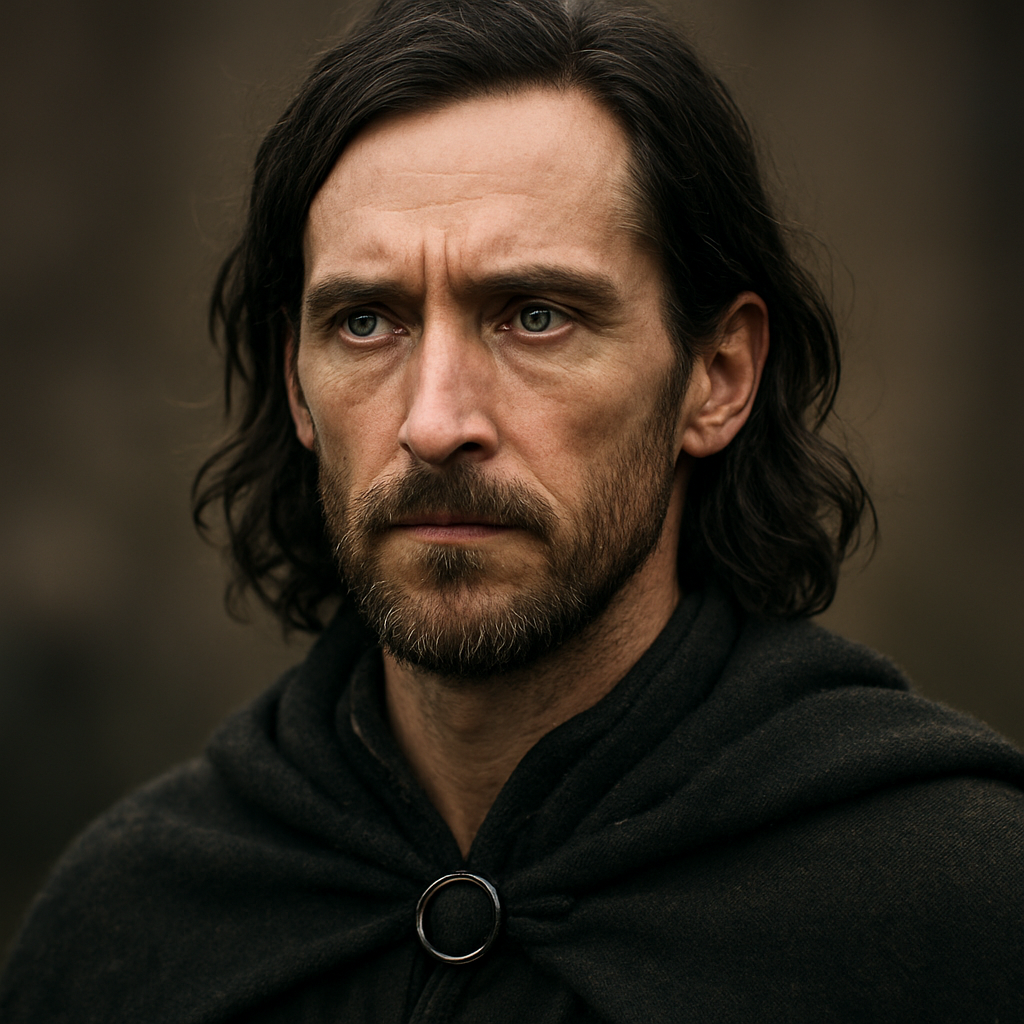 Ross
Ross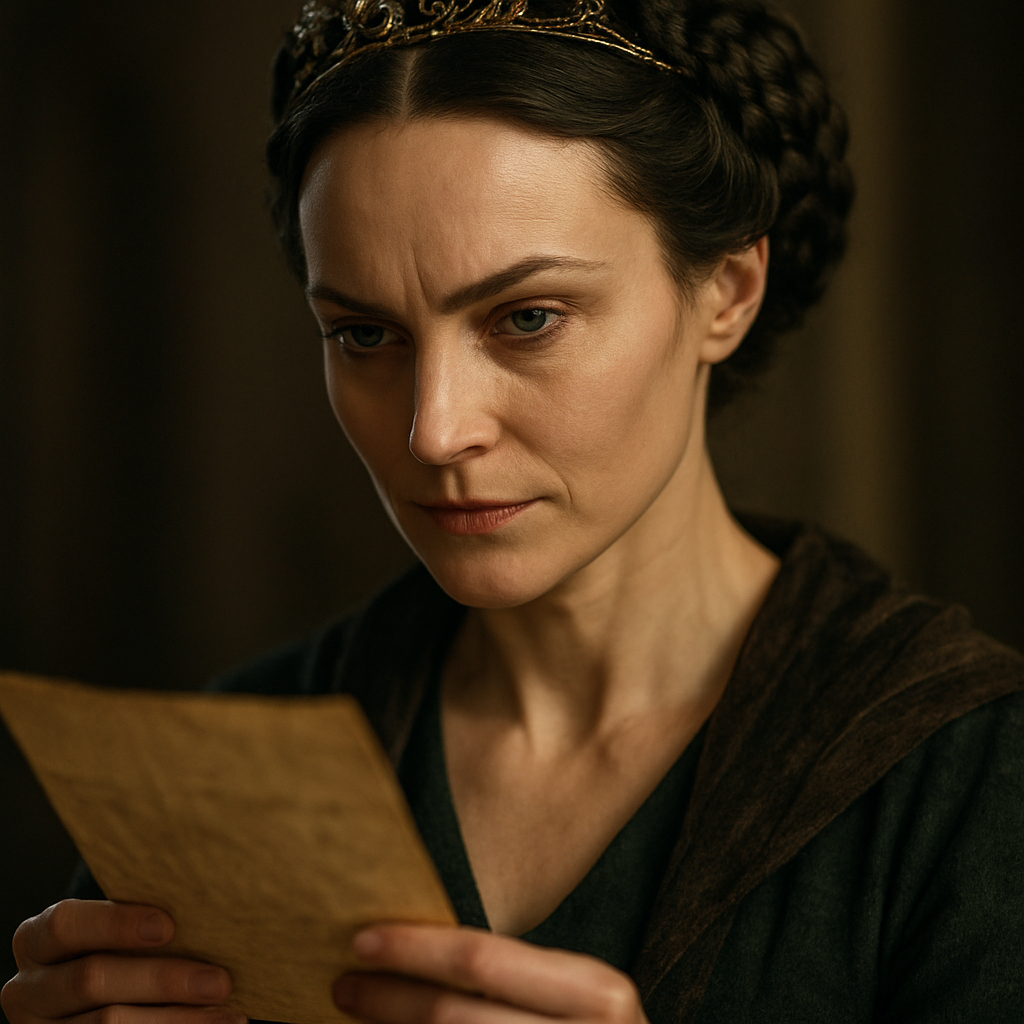 Lady Macbeth
 Lennox
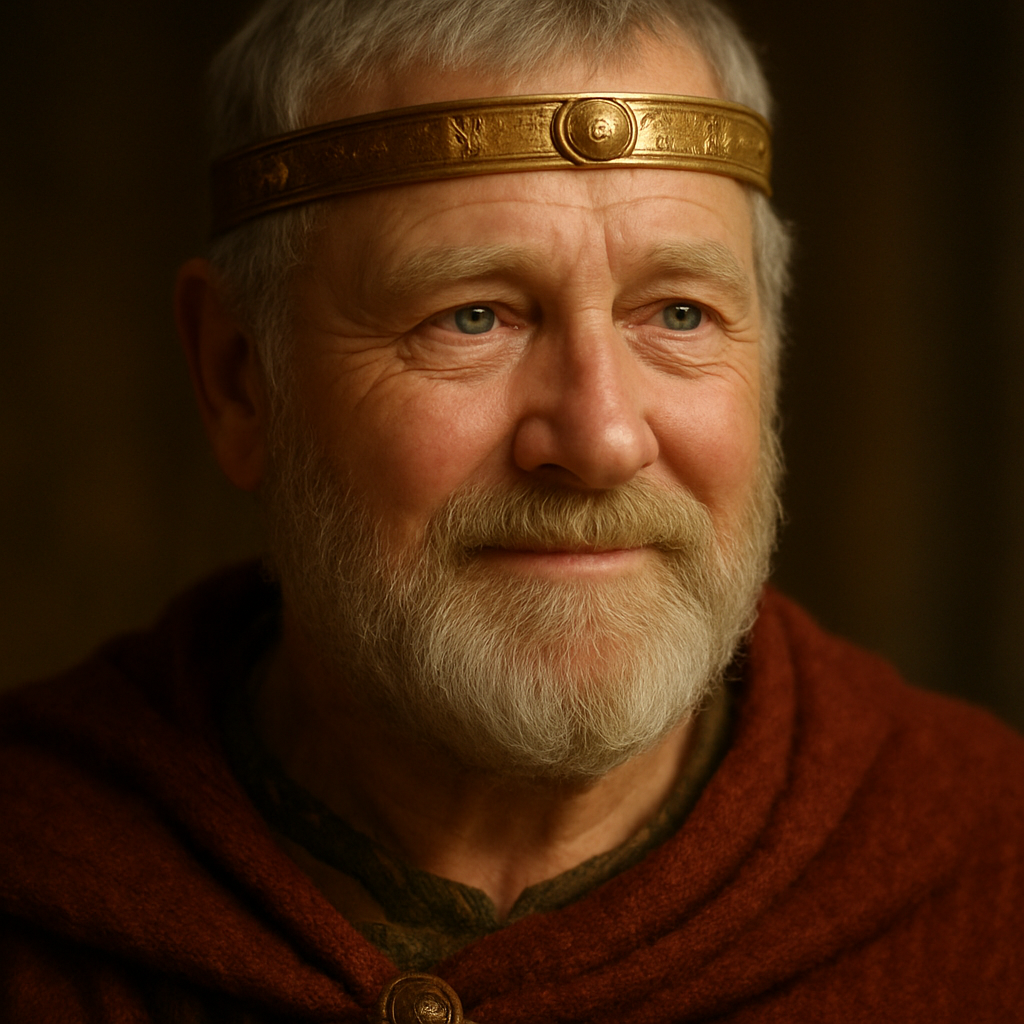 Duncan
 Donalbain
All chapter summaries ›Characters ›
Read Macbeth illustrated
Every scene in these notes comes from the Book2Life reader, where the full public-domain text is illustrated as you read, with character portraits and narration. Free in your browser and on iPhone.
