Doctor in Macbeth
Minor character
a court physician who observes, diagnoses, and ultimately admits his limits in treating Macbeth’s household illnesses
Who is Doctor?
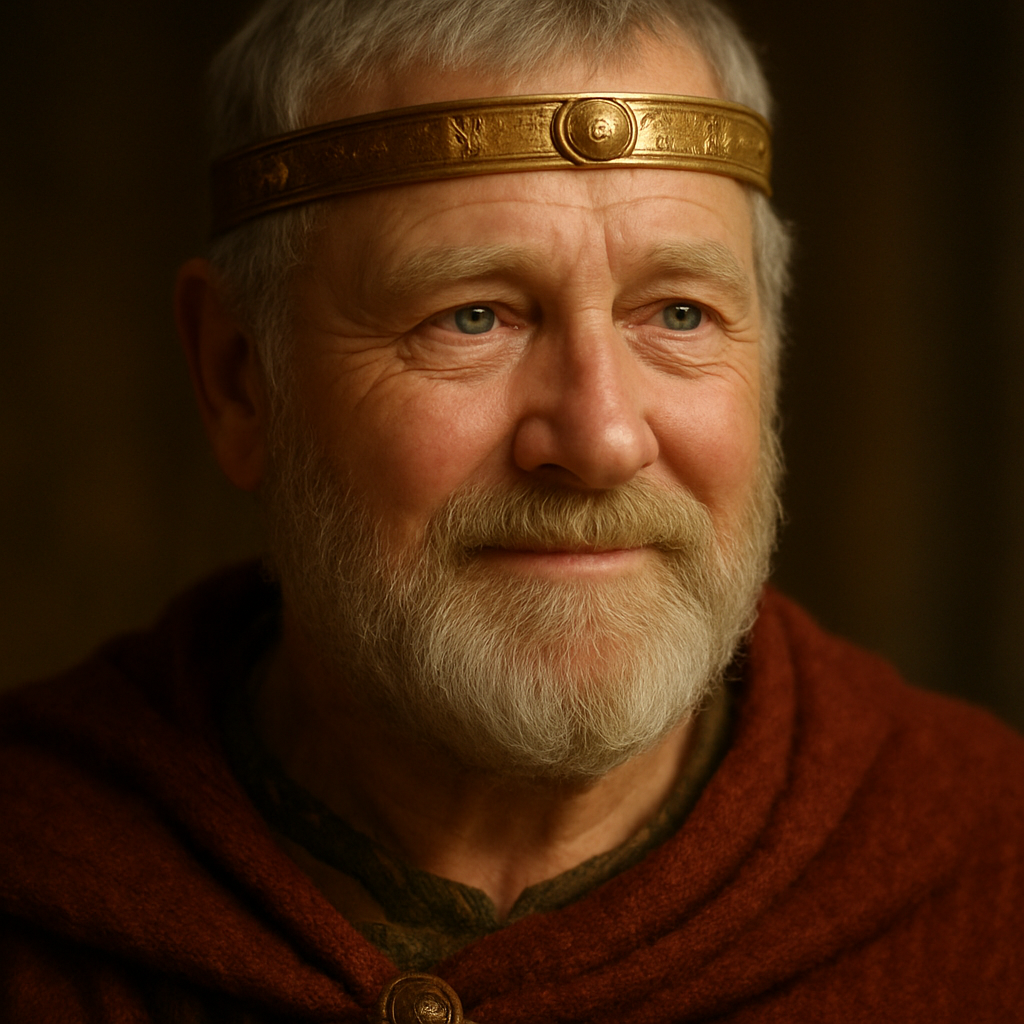
The Doctor is a medically trained observer called into the royal and domestic spaces of Macbeth’s world. He first appears in England to confirm the English king’s reputed healing virtues for Malcolm’s benefit, lending a clinical voice to the political scene. Back in Scotland, he is summoned to Dunsinane to evaluate Lady Macbeth’s nocturnal, trance-like behaviour and to witness Macbeth’s frantic questions about curing a troubled mind. The Doctor records what he sees and hears, offers medical explanations where he can, and repeatedly emphasizes the boundary between physical remedies and moral or spiritual disorders. He advises restraint, guarding, and removal of irritants rather than a curative treatment, and in the face of Macbeth’s dismissal of medical solutions and the household’s collapse, he expresses fear and a desire to leave. Throughout, he functions as a sober witness who articulates the limits of medicine when confronted with guilt, trauma, and political violence.
Personality
- clinical
- In Act 4, Scene 3 he confirms the English king’s healing powers in measured, factual terms for Malcolm.
- observant
- In Act 5, Scene 1 he carefully records Lady Macbeth’s sleepwalking actions and her speech about a damned spot.
- cautious
- He refuses to overstep his expertise in Act 5, Scene 1, diagnosing a moral or spiritual disorder rather than a treatable physical illness.
- fearful
- In Act 5, Scene 3 he admits he would leave Dunsinane if he could after witnessing the household’s breakdown.
Character arc
The Doctor’s role is steady and observational rather than dramatically transformative. He opens as a legitimizing medical presence in England, corroborating the miraculous-sounding healing properties attributed to the English king and thereby supporting Malcolm’s preparation for reclaiming Scotland. When he later appears at Dunsinane, his focus narrows to the private sphere: he documents Lady Macbeth’s night terrors and rituals, queries the nature of her ailment, and confronts the inadequacy of physical medicine for problems rooted in conscience and guilt. He consistently resists making moral or spiritual judgments he cannot medically substantiate, and by Act 5, Scene 3 his professional composure gives way to alarm and personal withdrawal. Rather than curing or changing key characters, he clarifies limits — moving from competent court physician to a witness who recognizes that some wounds are beyond his art and who ultimately seeks to distance himself from the collapsing order.
Relationships
- Macbeth He interacts clinically with Macbeth at Dunsinane, answering questions about curing a troubled mind and witnessing Macbeth’s insistence on military preparations.
- Lady Macbeth He examines and documents her sleepwalking and obsessive hand-washing, concluding her condition is beyond medical cure.
- Malcolm He affirms the English king’s healing powers in Malcolm’s presence, lending medical credibility to Malcolm’s preparations.
- Waiting-Gentlewoman He listens to the gentlewoman’s account of Lady Macbeth’s behaviour and questions her to understand the symptoms.
- Attendants He speaks with attendants in Macbeth’s household, sharing his clinical opinions and expressing his unease at the situation.
Quotes by Doctor
“More needs she the divine than the physician.— God, God, forgive us all!”
Act 5, Scene 1The physician concludes Lady Macbeth’s ailment is moral/spiritual rather than medical and calls for divine mercy.
“Therein the patient Must minister to himself.”
Act 5, Scene 3The doctor refuses to promise a cure for Lady Macbeth's mental troubles, saying healing requires the patient's own help.
Why Doctor matters
The Doctor underscores a central thematic contrast between medicine and morality: he can name symptoms, perform observation, and offer prudential care, but he cannot heal conscience, guilt, or the spiritual damage inflicted by violence. His professional limitation highlights the play’s recurring idea that political corruption and private guilt are not amenable to technical fixes. By diagnosing the problem as moral or spiritual, urging vigilance rather than cure, and ultimately wanting to leave, he emphasizes how Macbeth’s reign has created harms that exceed institutional remedies and require moral or divine reckoning rather than purely medical intervention.
Chapters with Doctor
More Macbeth characters
 Macbeth
 Banquo
 Macduff
 Malcolm
 Ross
Ross Lady Macbeth
 Lennox
 Duncan
All chapter summaries ›Characters ›
Read Macbeth illustrated
Every scene in these notes comes from the Book2Life reader, where the full public-domain text is illustrated as you read, with character portraits and narration. Free in your browser and on iPhone.
