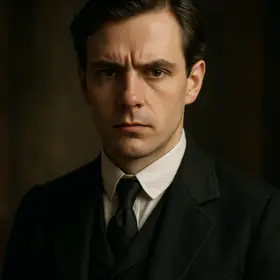
Alan Campbell in The Picture of Dorian Gray
Minor character
A brilliant young chemist and former friend whom Dorian coerces to dispose of Basil Hallward’s body.
Who is Alan Campbell?
Alan Campbell is a gifted chemist and an acquaintance from Dorian Gray’s past who is pulled back into Dorian’s life at a moment of crisis. When Dorian needs scientific expertise to remove the evidence of a violent crime, he seeks out Campbell, whose analytic skill and laboratory knowledge make him uniquely useful. Campbell initially refuses, showing contempt and moral alarm, but succumbs after Dorian delivers a written threat. He carries out the chemical work in his laboratory, later returning pale and composed to announce the job is done and to insist he never see Dorian again. News of Campbell’s subsequent suicide surfaces in society gossip and fuels speculation about Basil Hallward’s disappearance, linking Campbell’s fate to Dorian’s secret. Throughout his brief appearance, Campbell’s actions reveal both the reach of Dorian’s coercion and the personal cost of complicity.
In the book: A brilliant young chemist and former friend of Dorian Gray, Alan is drawn back into Dorian’s life when his scientific expertise becomes crucial to resolving a dire predicament. His interaction with Dorian reveals the extent of Dorian’s influence and moral decay, while Alan’s own conflict underscores the novel’s themes of corruption, coercion, and the costs of secrecy—without dominating the main plot.
Personality
- Brilliant
- In Chapter 14 he fetches chemical apparatus and performs the complex destructive work required to dispose of the corpse.
- Principled
- On arrival he is 'cold and contemptuous' and at first refuses absolutely to be involved, showing moral repugnance (Chapter 14).
- Victimized
- He agrees to comply only after Dorian slides him a written threat, indicating he is coerced into the crime (Chapter 14).
- Broken
- After completing the task he appears 'pale and calm' and begs never to see Dorian again, implying he is emotionally shattered (Chapter 14).
Character arc
Alan Campbell appears as an able, independent scientist who initially resists involvement in immoral acts. When Dorian contacts him in Chapter 14, Campbell arrives with contempt and refuses to assist; this demonstrates his early moral firmness. Dorian’s blackmail, however, forces a reversal: Campbell capitulates under threat, uses his chemical skill to destroy Basil’s remains, and then withdraws from Dorian’s life, asking never to see him again. The aftermath of his compliance is grim. By Chapter 19 society reports Campbell’s suicide, which is mentioned in conversation as part of the scandals surrounding Basil’s disappearance. Campbell’s arc therefore moves from professional competence and moral refusal to coerced complicity and ultimate self-destruction—his decline serving as an indirect but telling consequence of Dorian’s influence and the novel’s corrupting social currents.
Relationships
- Dorian Gray Former friend who blackmails and coerces Campbell into disposing of Basil’s body; Campbell begs never to see him again after the deed.
- Basil Hallward Victim whose corpse Campbell chemically destroys at Dorian’s command, making Campbell an accessory after the fact.
- Francis Dorian’s valet who runs errands and helps maintain appearances while Campbell does the laboratory work (Campbell interacts indirectly through Dorian’s arrangements).
- Lord Henry Wotton A social observer who later mentions Campbell’s suicide in conversation, linking Campbell’s fate to the scandal around Basil’s disappearance.
Why Alan Campbell matters
Alan Campbell functions as a moral counterpoint and a casualty of Dorian’s moral decay: he is talented and initially resistant but crushed by coercion. His forced participation and subsequent suicide illustrate the corrosive effects of Dorian’s secrecy and power, showing how Dorian’s corruption extends beyond himself to destroy others. Campbell’s fate amplifies themes of responsibility, complicity, and the hidden costs of maintaining appearances, and it heightens the novel’s sense that private vice brings public tragedy.
Chapters with Alan Campbell
More The Picture of Dorian Gray characters
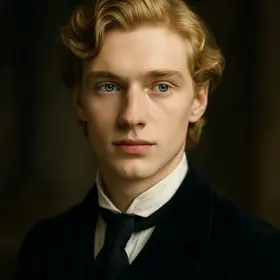 Dorian GrayProtagonist
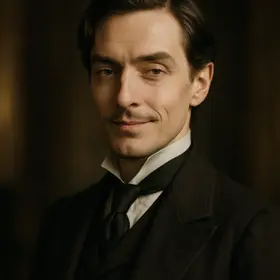 Lord Henry WottonMajor character
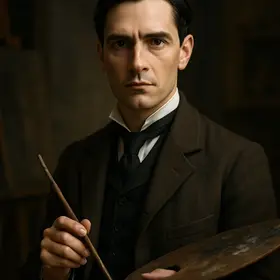 Basil HallwardMajor character
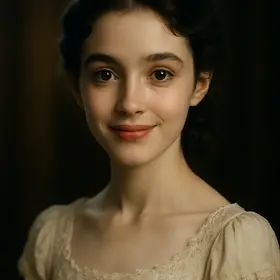 Sibyl VaneMajor character
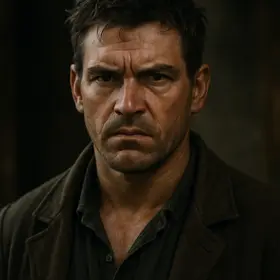 James VaneMinor character
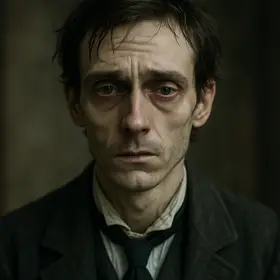 Adrian SingletonMinor character
- FFrancisMinor character
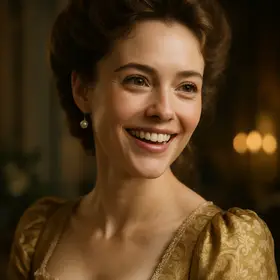 Duchess of MonmouthMinor character
All chapter summaries ›Characters ›
Read The Picture of Dorian Gray illustrated
Every scene in these notes comes from the Book2Life reader, where the full public-domain text is illustrated as you read, with character portraits and narration. Free in your browser and on iPhone.
Read The Picture of Dorian Gray free
