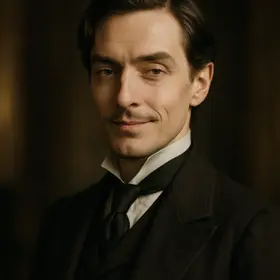
Lord Henry Wotton in The Picture of Dorian Gray
Major character
A witty, cynical aristocrat who seduces Dorian with a philosophy of beauty, pleasure, and aestheticism.
Who is Lord Henry Wotton?
Lord Henry Wotton is a dazzling, aphoristic aristocrat who delights in paradox and the exercise of influence. From his first appearance in Basil Hallward’s studio he takes an intense interest in the extraordinarily beautiful young Dorian Gray, remaining a magnetic conversational presence who both amuses society and deliberately sows ideas. He delivers long, seductive monologues that praise youth, sensation, and self-gratification, and he delights in shaping Dorian’s temperament by providing the vocabulary and philosophy that awaken Dorian’s obsession with beauty and a life of pleasure. Throughout the chapters he appears at lunches, teas, and parties, offering flippant, detached commentary on art, marriage, morality, and scandal. When tragedy strikes—Sibyl Vane’s death—Lord Henry aestheticizes the event, treating it as a romantic incident rather than a moral catastrophe, and he continues to tease and probe Dorian even as Dorian’s life darkens. He functions mainly by speech and social charm: he rarely acts directly, but his ideas and cool detachment reverberate through Dorian’s choices and the novel’s moral crises.
In the book: A dazzlingly witty aristocrat and philosopher of pleasure, Lord Henry serves as Dorian Gray’s charismatic mentor, charming salons with epigrams while urging a life devoted to beauty and sensation. His seductive ideas and cool detachment make him a magnetic presence whose influence radiates through the novel’s moral and psychological conflicts, shaping the choices of those around him without lifting a finger.
Personality
- Witty
- Delivers paradoxical, epigrammatic remarks that win laughter at Lady Agatha’s lunch (Chapter 3) and amuse guests at Selby Royal (Chapter 17).
- Cynical
- Mocks conventional morality and philanthropy repeatedly at social gatherings and in his talk with Basil and Dorian (Chapters 1, 3, 6).
- Persuasive
- Gives the extended, seductive monologue in Basil’s studio that sparks Dorian’s intense revelation about youth and beauty (Chapter 2).
- Emotionally detached
- Reframes Sibyl Vane’s suicide as a dramatic, romantic incident and responds with aestheticized calm when telling Dorian the news (Chapter 8).
- Influential
- Feels exhilaration at molding Dorian’s temperament and later continues to tease and test Dorian about morality and scandal (Chapters 3, 19).
Character arc
Lord Henry’s outward character is consistent from his first appearance to the end of the provided chapters: he remains a brilliant, ironic, and persuasive conversationalist who prefers ideas to action. He arrives in Basil’s studio as a teasing, paradox-loving mentor and immediately becomes fascinated by the young Dorian, taking pleasure in the prospect of shaping him (Chapters 1–2). Over subsequent social scenes he cultivates influence—seeking gossip, delivering aphorisms at lunches and teas, and watching Dorian absorb his doctrines (Chapters 3–4, 6–7). When tragedy occurs (Sibyl’s death) he aestheticizes the event and treats it as material for commentary rather than moral urgency, a reaction that deepens his role as the novel’s tempter (Chapter 8). As Dorian’s life unravels—Basil’s disappearance, rumours, crises of conscience—Lord Henry remains largely the same: a voice that mocks reform and counsels sensualism, probing Dorian about his capacity for change (Chapters 19–20). He does not undergo a moral conversion or visible punishment in the chapters recorded; instead, his steady detachment and witticisms become an enduring influence that helps propel Dorian’s decline, showing a refusal to repent or soften even as the consequences of his counsel accumulate around him.
Relationships
- Dorian Gray A charismatic mentor and corrupter who delights in shaping Dorian’s tastes and persuading him to value youth, beauty, and sensation.
- Basil Hallward An old Oxford friend with whom he debates art and influence; Henry teases Basil and covets meeting Dorian despite Basil’s fears (Chapter 1).
- Sibyl Vane A subject of his detached commentary—he aestheticizes her death and presents it to Dorian as a romantic incident rather than a moral tragedy (Chapter 8).
- Duchess of Monmouth A social companion and foil in which he trades teasing, paradoxical banter during society amusements (Chapter 17).
- Alan Campbell An acquaintance present in the social network Henry frequents; Henry later discusses public scandals, including Campbell’s forced involvement with Dorian (Chapter 19).
- Mrs. Vane Indirectly connected through conversation about Sibyl’s fate—Henry’s aestheticized telling affects her and the way the event is discussed (Chapter 8).
Quotes by Lord Henry Wotton
“The only way to get rid of a temptation is to yield to it.”
Chapter 2A central aphorism in Lord Henry's monologue that encapsulates his hedonistic counsel and begins to influence Dorian's thinking.
“Youth! Youth! There is absolutely nothing in the world but youth!”
Chapter 2Lord Henry exalts youth as the supreme good, directly provoking Dorian's fear of future decay and his adoration of his present beauty.
“What I want is information: not useful information, of course; useless information.”
Chapter 3Henry tells his uncle that he is seeking gossip about Dorian—he prefers frivolous, aesthetic knowledge over practical facts.
“I cannot sympathize with that. It is too ugly, too horrible, too distressing.”
Chapter 3Henry explains his disdain for modern sympathy with suffering while speaking at Lady Agatha’s luncheon, revealing his aestheticized morality.
“Never marry at all, Dorian. Men marry because they are tired; women, because they are curious: both are disappointed.”
Chapter 4Lord Henry offers his habitual cynical aphorism about marriage while conversing with Dorian, shaping the novel’s view of social relationships.
“Dorian Gray is engaged to be married,”
Chapter 6Lord Henry announces the surprising news that sets the chapter's events and debates in motion.
Why Lord Henry Wotton matters
Lord Henry functions as the novel’s intellectual tempter and the living embodiment of aestheticism turned amoral. Through his epigrams and detached worldview he supplies Dorian with the language and justifications that make the pursuit of youth and sensation seem admirable and inevitable. Thematically, he crystallizes the novel’s concerns about influence, responsibility, and the dangers of privileging appearance and pleasure over conscience. His refusal to mourn or change underscores Wilde’s exploration of the moral costs of aestheticism: Henry’s ideas catalyze Dorian’s decline while revealing how seductive rhetoric can eclipse moral restraint and distort action into performative style.
Chapters with Lord Henry Wotton
More The Picture of Dorian Gray characters
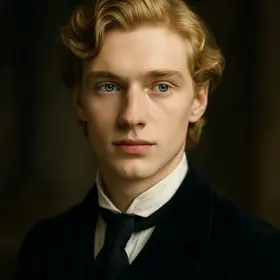 Dorian GrayProtagonist
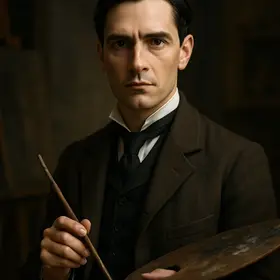 Basil HallwardMajor character
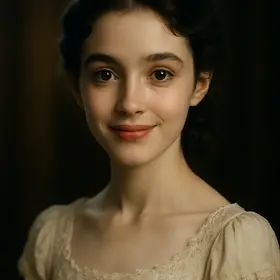 Sibyl VaneMajor character
 James VaneMinor character
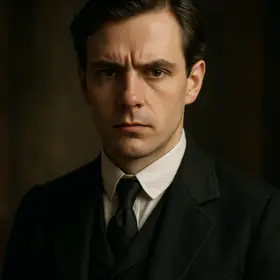 Alan CampbellMinor character
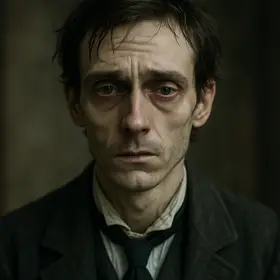 Adrian SingletonMinor character
- FFrancisMinor character
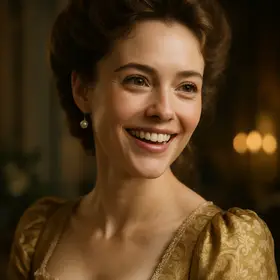 Duchess of MonmouthMinor character
All chapter summaries ›Characters ›
Read The Picture of Dorian Gray illustrated
Every scene in these notes comes from the Book2Life reader, where the full public-domain text is illustrated as you read, with character portraits and narration. Free in your browser and on iPhone.
Read The Picture of Dorian Gray free
